




What's Happening?
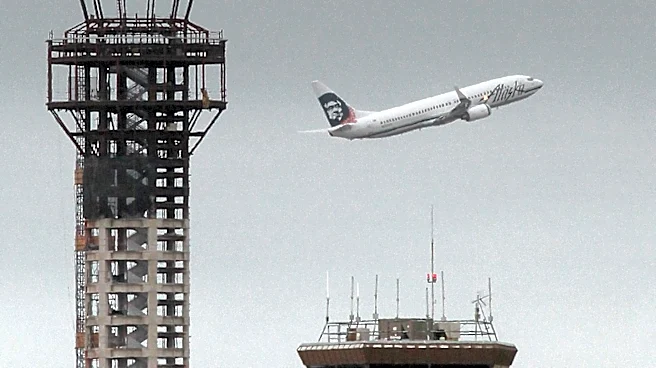
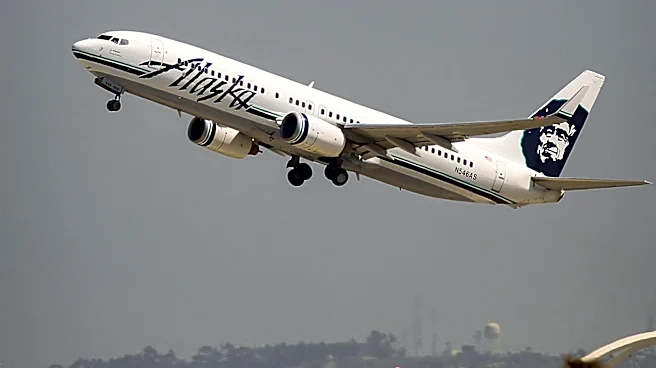
On March 30, 1987, an Alaska Airlines Boeing 737-200, piloted by Bill Morin and Bill Johnson, was struck by a fish shortly after taking off from Juneau, Alaska. The incident occurred when a bald eagle, carrying a fish, crossed the aircraft's path. The eagle either
dropped its prey in surprise or lost it while swerving away, causing the fish to hit the jet near the cockpit. The Associated Press reported the impact occurred on a small window at the top of the cockpit, while Alaska Airlines described the location as just behind the cockpit window. The eagle was reportedly unharmed. Maintenance control instructed the crew to continue to their next stop in Yakutat, where a mechanic inspected the aircraft. The inspection revealed no damage, only a greasy spot and some fish scales, resulting in an approximately one-hour delay. The type of fish was never definitively identified, with suggestions ranging from salmon to cod or a Dolly Varden char.
Why It's Important?
This unusual incident highlights the unique challenges and wildlife hazards faced by airports located in ecologically rich areas, particularly in Alaska. While bird strikes are a common concern for aviation safety, a 'fish strike' is exceptionally rare, with the Anchorage Daily News noting it as the only recorded instance in Alaska's wildlife strike data. The Juneau airport's proximity to Jordan Creek, a salmon stream, and its established wildlife hazard plan that includes managing bald eagles, underscores the ongoing efforts required to mitigate such risks. The event serves as a reminder of the unpredictable interactions between human infrastructure and natural environments, emphasizing the need for comprehensive wildlife management strategies at airfields to ensure aviation safety. It also illustrates the resilience of aircraft, as the Boeing 737 sustained no significant damage despite the impact.
What's Next?
While this specific incident occurred decades ago, the broader implications for airport wildlife management remain relevant. Airports in areas with significant wildlife populations, like Juneau, will continue to implement and refine their wildlife hazard management plans. These plans typically involve measures such as hazing bald eagles, removing nests, and clearing salmon carcasses from nearby streams to deter birds from the airfield. Ongoing research and data collection on wildlife strike incidents, including rare occurrences like this one, contribute to a better understanding of potential risks and the development of more effective mitigation strategies. The Federal Aviation Administration (FAA) continuously tracks wildlife strike data to inform safety protocols and guidelines for airports across the U.S., ensuring that lessons learned from past events, however unusual, contribute to future aviation safety.
Beyond the Headlines
The 'fish strike' incident, while seemingly anecdotal, touches upon the complex ecological interface between human development and natural habitats. Juneau International Airport's location next to a salmon stream exemplifies how human infrastructure can intersect with critical wildlife corridors and feeding grounds. This constant interaction necessitates proactive environmental management, not just for safety but also for ecological balance. The story also subtly highlights the adaptability of wildlife, as the eagle's reaction to the approaching aircraft led to an unexpected outcome. Furthermore, the incident underscores the importance of robust aircraft design and maintenance protocols, as the 737's structural integrity was unaffected. It serves as a unique case study in aviation safety, demonstrating that even the most improbable events can occur and must be considered within comprehensive risk assessments for airport operations.