


What's Happening?
Senator John Hoeven (R-N.D.) has urged the U.S. Army Corps of Engineers to implement additional water conservation measures for the Missouri River, particularly during the fall and winter seasons. This call comes after the Corps set the winter release
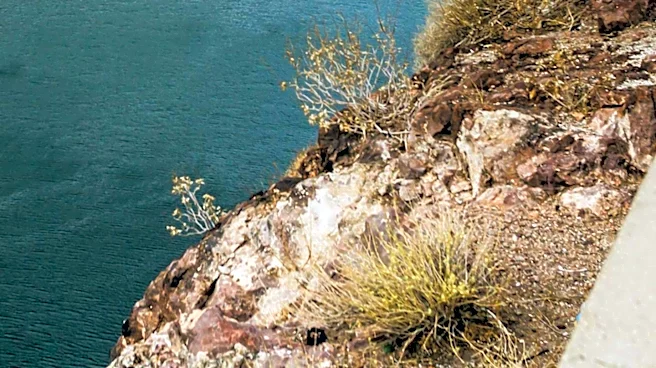
rate for the main dam system in the upper Missouri River Basin at 12,000 cubic feet per second, which is the minimum allowable level. Despite previous efforts by the Corps to reduce flows and shorten the navigation support season, Lake Sakakawea's water levels are projected to drop by approximately 5 feet by the end of February 2027. As of September 9, Lake Sakakawea's elevation at Garrison Dam was 1,824.97 feet, about 12.5 feet below its normal conservation pool. Senator Hoeven's office has been actively tracking water levels and pressing the agency to reserve water in anticipation of continued drought conditions into 2027.
Why It's Important?
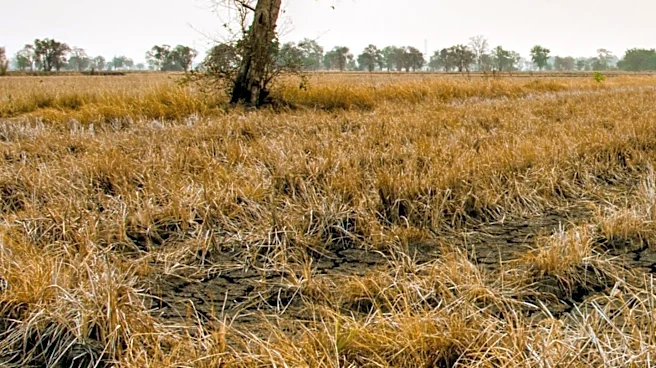
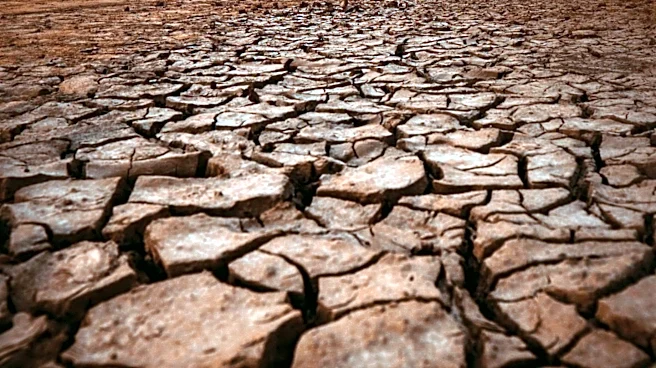
The ongoing drought conditions and declining water levels in Lake Sakakawea pose significant challenges for North Dakota, particularly for irrigation, which is crucial for the state's agricultural sector. Low water levels also create difficulties for accessing the lake, impacting recreational activities and potentially other water-dependent industries. Senator Hoeven's advocacy highlights the critical need for proactive water management to mitigate the economic and environmental impacts of prolonged drought. The Missouri River system is a vital resource for multiple states, and its management directly affects agricultural productivity, energy generation, and ecological health across the region. The potential for continued water scarcity could lead to increased operational costs for farmers, reduced crop yields, and broader economic instability in communities reliant on the river.
What's Next?
Senator Hoeven's office will continue to press the U.S. Army Corps of Engineers to explore all possible avenues for water conservation and flow reduction from Garrison Dam. The Corps will likely continue to monitor water levels and adjust release rates as necessary, balancing the needs of various stakeholders, including navigation, power generation, and irrigation. Further discussions and potential policy adjustments may be initiated to address the long-term implications of drought in the Missouri River Basin. Stakeholders, including agricultural producers and local communities, will be closely watching the Corps' actions and advocating for measures that protect their interests. The ongoing drought conditions suggest that water conservation will remain a priority for the foreseeable future, potentially leading to new strategies for water resource management.
Beyond the Headlines
The persistent drought in the Missouri River Basin underscores the broader challenges of climate change and its impact on critical natural resources. The need for additional water conservation measures reflects a growing recognition of the vulnerability of water systems to environmental shifts. This situation could prompt a re-evaluation of existing water management policies and encourage the development of more resilient strategies for water allocation and usage. It also highlights the complex interplay between federal agencies, state governments, and local communities in managing shared resources. The long-term implications could include increased investment in water-efficient technologies, changes in agricultural practices, and potential interstate conflicts over water rights as scarcity becomes more pronounced. The focus on critical infrastructure like dams and reservoirs will intensify, emphasizing the need for adaptive management in the face of unpredictable weather patterns.