


What's Happening?
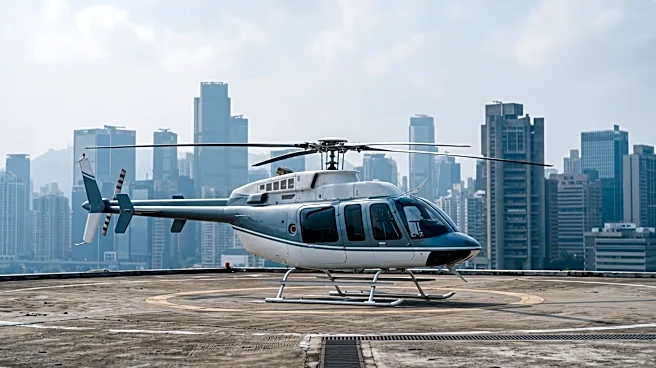
The U.S. Department of Transportation (DOT) Office of Inspector General is officially investigating the Federal Aviation Administration's (FAA) oversight of the helicopter tourism industry. This audit follows 'relentless pressure' from U.S. Rep. Rob Menendez,
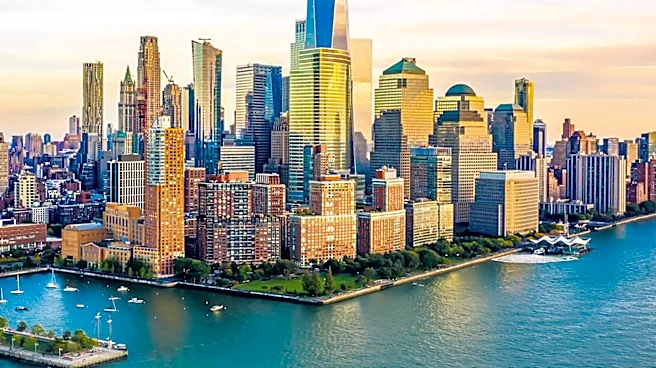
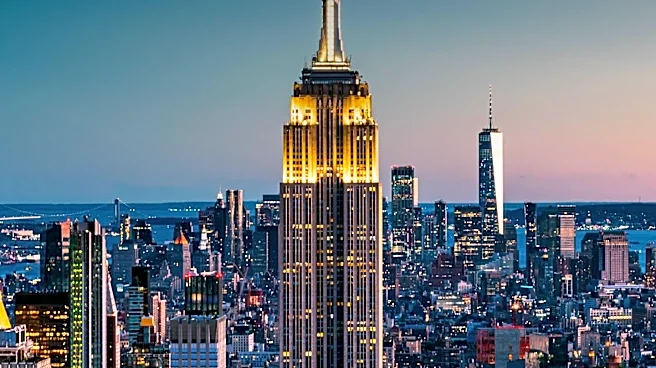
a Democrat whose district includes areas frequently overflown by helicopters near the Manhattan skyline. A letter from the DOT's deputy inspector general for aviation, Marshall Jackson, to the FAA's director of audit and evaluation, Robert C. McMillan, cited a fatal crash last year that killed six people, including a Spanish family of five, due to a bird strike. This incident is one of at least 58 accidents involving tourist helicopters nationwide since 2008, with 11 being fatal. The audit also addresses concerns that some operators exploit a loophole by classifying flights as 'aerial photography' to adhere to less stringent safety rules than commercial air tours. The FAA has stated it welcomes feedback and will cooperate fully with the audit.
Why It's Important?
This investigation is crucial for public safety and regulatory integrity within the U.S. aviation sector. The audit highlights potential gaps and inconsistencies in FAA regulations, particularly concerning the classification and oversight of tourist helicopter operations. If operators are indeed using 'aerial photography' designations to bypass stricter safety standards, it poses a significant risk to passengers and the public. The involvement of a U.S. Representative underscores the political and community pressure to address noise pollution and safety hazards associated with these flights, particularly in densely populated areas like the Hudson River Gold Coast. The outcome of this audit could lead to revised regulations, increased enforcement, and potentially new legislation, impacting the operational landscape for helicopter tour companies and enhancing safety for consumers.
What's Next?
The DOT's Office of Inspector General will proceed with its audit of the FAA's oversight practices. This process will likely involve reviewing existing regulations, accident reports, and operational procedures of helicopter tour companies. The FAA has pledged full cooperation, indicating a willingness to address any identified deficiencies. Concurrently, legislative efforts are underway, including a bill introduced by Rep. Menendez, the 'Protect Communities from Helicopter Noise Act,' which proposes studying a prohibition on tourist helicopter flights within a 20-mile radius of the Statue of Liberty. A New Jersey state bill also seeks to ban all tourist helicopter operations at state-licensed aviation facilities. These legislative actions, combined with the audit's findings, could lead to significant changes in how the helicopter tourism industry operates in the U.S., particularly around major metropolitan areas.
Beyond the Headlines
Beyond immediate safety concerns, this audit touches upon broader issues of regulatory arbitrage and the balance between commercial interests and public welfare. The alleged use of 'aerial photography' loopholes by some operators raises questions about the effectiveness of current regulatory frameworks in adapting to evolving business models. This situation could prompt a re-evaluation of how new technologies and services are classified and regulated to prevent exploitation of ambiguities. Furthermore, the ongoing community opposition to helicopter noise and safety risks underscores the growing demand for stricter environmental and safety standards in urban air travel. The outcome may set a precedent for how federal agencies respond to public and legislative pressure regarding industries operating in shared public spaces, potentially influencing future regulations across various sectors.