





What's Happening?
Several Middle Eastern countries, including Qatar, Saudi Arabia, UAE, Egypt, Oman, Jordan, Bahrain, and Türkiye, are implementing new tourism strategies to attract global travelers. This initiative moves beyond traditional tourism models, focusing on diverse
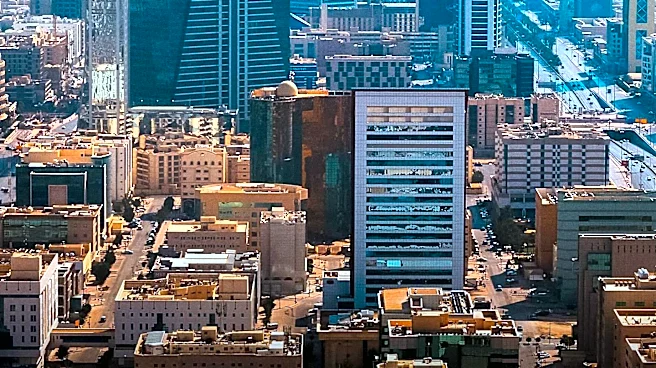
experiences such as mega-events, cultural attractions, luxury travel, adventure tourism, and improved accessibility. Qatar is leading this push with a 2026–2027 tourism calendar featuring over 560 events, encompassing sports, entertainment, culture, food, and family activities. Saudi Arabia is transforming its identity from a religious travel destination to a broader tourism hub, emphasizing entertainment, heritage, and luxury experiences like Riyadh Season and AlUla. The UAE continues to attract visitors with luxury, shopping, and business opportunities, while Egypt leverages its ancient heritage and coastal resorts. Oman and Jordan are focusing on nature, adventure, and authentic cultural experiences, and Bahrain is building momentum through events and regional travel. Türkiye is attracting visitors with its unique blend of culture, history, and diverse experiences.
Why It's Important?
This concerted effort by Middle Eastern nations signifies a significant shift in the global tourism landscape. By diversifying their offerings and enhancing accessibility, these countries aim to capture a larger share of the international travel market, potentially impacting global tourism trends and competition. The focus on mega-events, luxury experiences, and cultural immersion could draw tourists away from established destinations, leading to increased economic activity and job creation within the Middle East. For the U.S. tourism industry, this could mean increased competition for international travelers, particularly those seeking unique cultural or luxury experiences. Conversely, it could also open new avenues for collaboration and investment in the tourism sector. The emphasis on year-round attractions and varied experiences aims to create sustainable tourism models, reducing reliance on seasonal travel and fostering long-term economic growth in the region. This strategic pivot could also influence international perceptions of the Middle East, promoting cultural exchange and understanding.
What's Next?
The implementation of these comprehensive tourism strategies is expected to continue, with countries rolling out more events, developing new attractions, and refining their visa processes to facilitate easier travel. Qatar's extensive event calendar for 2026–2027 will likely serve as a benchmark for other nations in the region, prompting further investment in infrastructure and promotional campaigns. Saudi Arabia's development of luxury coastal tourism in the Red Sea region and the continued focus on heritage sites like AlUla will attract specific segments of travelers. The UAE will likely maintain its strong position by continuously innovating its luxury and entertainment offerings. We can anticipate increased marketing efforts targeting international audiences, potentially including partnerships with global travel agencies and airlines. The success of these initiatives will be closely monitored, and other regions may adapt similar strategies to remain competitive in the evolving global tourism market. The long-term goal is to establish the Middle East as a premier, year-round destination for diverse types of travelers.
Beyond the Headlines
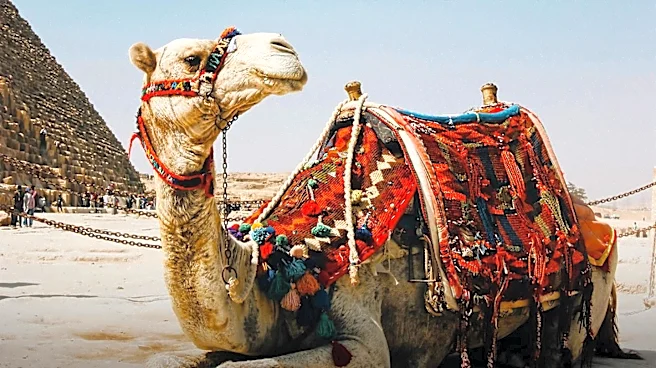
The shift in tourism strategy by Middle Eastern nations reflects a broader geopolitical and economic ambition to diversify their economies away from traditional resource-based industries. By investing heavily in tourism, these countries are not only seeking economic growth but also aiming to enhance their global soft power and cultural influence. The emphasis on cultural heritage, such as AlUla in Saudi Arabia and ancient sites in Egypt and Jordan, highlights a desire to showcase the rich history and traditions of the region, challenging existing narratives and fostering a deeper appreciation for Middle Eastern cultures. The development of luxury and entertainment offerings also caters to a globalized consumer base, positioning these nations as modern, dynamic destinations. This strategic move could lead to significant cultural exchange, but also raises questions about the balance between preserving local traditions and accommodating international tourism demands. The long-term success of these initiatives will depend on their ability to sustainably manage growth, protect cultural integrity, and address potential social and environmental impacts.