






What's Happening?
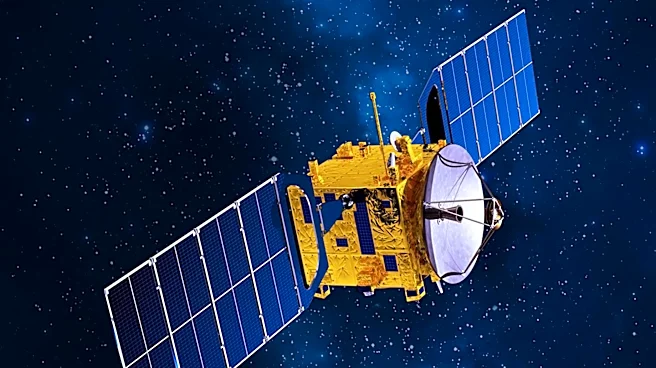
U.S. Secretary of the Air Force Troy Meink publicly acknowledged in September 2026 that the U.S. Space Force has deployed orbital space-control weapons. This marks the first official government confirmation of such capabilities. Speaking at the Air, Space and
Cyber Conference, Meink stated that these weapons are intended to defend U.S. joint forces against hostile adversary actions. U.S. Air Force Gen. Dan Caine, Chairman of the Joint Chiefs of Staff, emphasized the military's need to be prepared to 'fight, endure and win' across all domains, from the seabed to cislunar space. Gen. Stephen Whiting, Commander of U.S. Space Command, previously highlighted the importance of anti-satellite weapons (ASAT) for deterrence, advocating for both kinetic and non-kinetic fires. While the existence of these weapons is now public, Meink declined to provide specific details about their types or capabilities, citing national security. Space control involves both protecting U.S. and allied space assets and negating adversary space capabilities.
Why It's Important?
The public confirmation of deployed U.S. space weapons signifies a major shift in global military strategy and transparency regarding space capabilities. This development is crucial for U.S. national security, as it aims to deter potential adversaries like China and Russia, which are reportedly developing their own space weapons, including direct-ascent ASAT missiles and orbital ASAT systems. The U.S. emphasis on space-control weapons, particularly those designed to avoid creating debris, reflects a strategic effort to maintain space dominance while mitigating the risks of widespread space junk that could jeopardize all satellites. The deployment underscores the increasing militarization of space and the recognition of space as a critical warfighting domain, impacting global communications, financial transactions, and transportation systems that rely on satellite infrastructure. This move could escalate the arms race in space, prompting other nations to accelerate their own space weapon development.
What's Next?
The U.S. Space Force is considering launching up to five satellites into cislunar space as early as 2029 to establish a future constellation between Earth and the moon. This initiative, alongside the 'Golden Dome' initiative's focus on space-based interceptors for missile defense, indicates a continued expansion of U.S. military presence and capabilities in space. The Pentagon recently loaned $150 million to LeoLabs to enhance its ground radar network, further bolstering space domain awareness. While the U.S. aims to deter adversaries through these deployments, the lack of specific details about the weapons could lead to increased speculation and potentially misinterpretations by other nations. The 1967 Outer Space Treaty bans weapons of mass destruction but does not restrict conventional weaponry, leaving a legal gray area that could fuel further development and deployment of space weapons by various global powers.
Beyond the Headlines
The deployment of space weapons raises profound ethical and strategic questions about the future of warfare and international stability. The potential for a conflict in space, even with non-debris-generating weapons, could have cascading effects on civilian infrastructure and daily life, given the world's reliance on satellite technology. The U.S. decision to publicly acknowledge these capabilities, while withholding specifics, attempts to strike a balance between deterrence and avoiding an overt arms race. However, this transparency could inadvertently provoke adversaries to accelerate their own programs, leading to a more precarious and weaponized orbital environment. The long-term implications include the need for new international treaties and norms governing space, as the current legal framework is insufficient to address the complexities of space warfare. The 'seabed to cislunar space' doctrine articulated by Gen. Caine suggests a comprehensive and expansive view of future military operations, pushing the boundaries of traditional warfare domains.