







What's Happening?
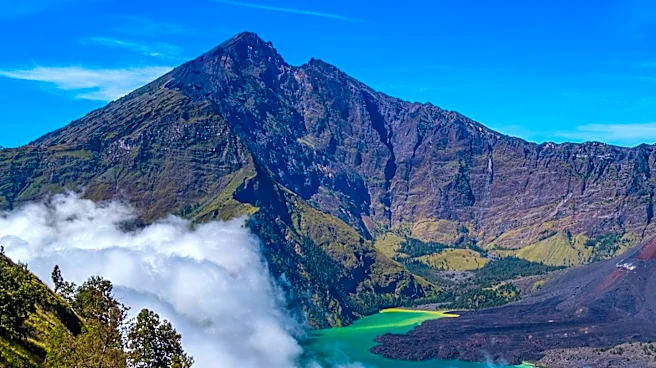
The National SDGs Secretariat at the Ministry of National Development Planning/Bappenas is advocating for enhanced cross-sector collaboration to integrate environmental conservation with sustainable tourism at Mount Rinjani National Park. During a visit
to the park, National SDGs Secretariat Head Pungkas Bahjuri emphasized the importance of assessing how conservation can coexist with community livelihood development through ecotourism. Mount Rinjani National Park, a significant example of achieving Sustainable Development Goal 15 (protecting life on land), saw 80,214 hikers in 2025, with foreign tourists comprising 54% of visitors. This high visitor traffic, however, presents waste management challenges, with hiking activities generating approximately 30,359.52 kilograms of waste annually. Bahjuri highlighted that ecotourism, when actively involving local communities, can create livelihoods while simultaneously aiding in the protection and monitoring of the area.
Why It's Important?
This initiative is crucial for addressing the delicate balance between tourism development and environmental preservation in ecologically sensitive areas like Mount Rinjani. The significant number of visitors, while economically beneficial, poses a direct threat to the park's sustainability through waste generation. By promoting cross-sector synergy, Bappenas aims to ensure that tourism contributes positively to both the local economy and the environment. Ecotourism models that engage local communities can empower residents, providing them with alternative income sources and fostering a sense of ownership in conservation efforts. This approach can mitigate the negative impacts of mass tourism, such as waste accumulation, and promote sustainable practices that safeguard natural resources for future generations. The success of such initiatives in Mount Rinjani could serve as a blueprint for other national parks facing similar challenges.
What's Next?
The Mount Rinjani National Park Office, led by Budhy Kurniawan, has expressed strong support for these conservation and ecotourism initiatives. The park has already implemented environmentally friendly measures, including waste sorting and management, which contribute to ecosystem strengthening and economic benefits for local communities. Future steps will likely involve continued collaboration with local community leaders to guide regional tourism towards long-term sustainability. This includes developing a five-year vision for forest management aimed at creating a smart tourism ecosystem. The focus will remain on integrating cultural, historical, and ecological values into tourism offerings, ensuring that the park's unique significance is preserved while providing economic opportunities for residents. Further efforts will be needed to manage visitor numbers and waste effectively to prevent environmental degradation.
Beyond the Headlines
The push for cross-sector synergy in Mount Rinjani highlights a broader global challenge of managing popular natural attractions sustainably. The tension between economic development through tourism and the imperative of environmental conservation is a recurring theme in many biodiverse regions. This initiative underscores the ethical responsibility of tourism operators and visitors to minimize their ecological footprint. It also points to the cultural significance of such sites, as Mount Rinjani holds deep cosmological, cultural, historical, and ecological value. The success of this model could influence policy-making in other countries, encouraging a shift towards more responsible and community-inclusive tourism practices. The active involvement of local communities in ecotourism not only provides economic benefits but also strengthens cultural heritage preservation and traditional ecological knowledge.