


What's Happening?
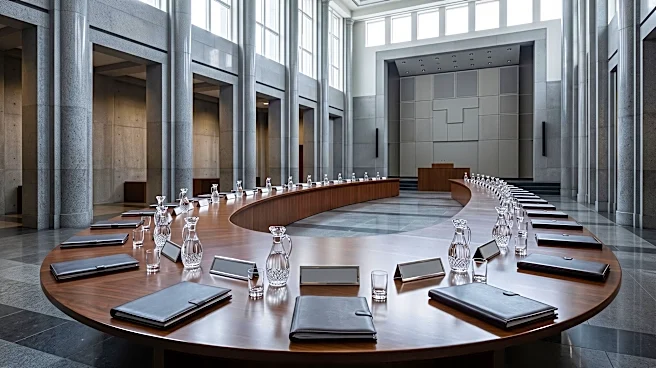
Experts from Latin America and the Caribbean gathered in Bogotá on September 7-8, 2026, for the Guidance and Regional Intelligence for the Transition of UN Leadership (GRIT) project. This meeting, co-convened by Cepei, the Igarapé Institute, and the GQUAL
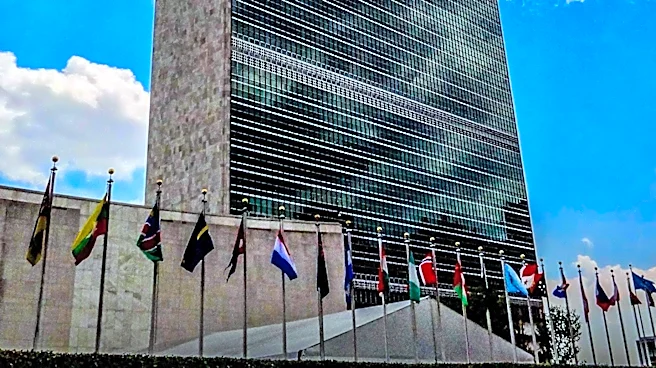
Campaign, focused on the selection of the next United Nations Secretary-General. Discussions centered on the challenges facing the incoming Secretary-General, priorities for their initial 1,000 days in office, and strategies for the region to enhance its engagement and influence within the multilateral system. The context for these discussions includes significant geopolitical fragmentation, declining trust in multilateral institutions, and increasing pressure on the UN to deliver effective results. A key aspiration for the region is the potential for Latin America and the Caribbean to have its second Secretary-General in UN history, and notably, the first woman to hold the position.
Why It's Important?
The selection of the next UN Secretary-General holds substantial importance for global governance and, by extension, for U.S. foreign policy and international relations. A leader from Latin America and the Caribbean could shift diplomatic priorities, potentially bringing greater focus to issues such as inequality, debt, and climate vulnerability, which are critical for middle-income countries and Caribbean small island developing states. This could influence U.S. engagement in these areas, potentially leading to new partnerships or adjustments in aid and development strategies. The emphasis on gender-balanced leadership and increased regional representation within the UN could also set precedents for other international bodies, impacting how the U.S. navigates multilateral diplomacy. Furthermore, a more effective and trusted UN, as envisioned by the reform efforts, could provide a more stable global environment, which is beneficial for U.S. economic and security interests.
What's Next?
The insights and recommendations from the GRIT project will likely inform the ongoing process of selecting the next UN Secretary-General. The call for steady political dialogue with Latin America and the Caribbean through regional blocs like GRULAC and CARICOM suggests a push for more inclusive and representative leadership within the UN. The next Secretary-General will face immediate pressure to address global fragmentation and rebuild trust in multilateral institutions. The focus on the post-2030 agenda, particularly regarding inequality, debt, and climate vulnerability, indicates that these issues will remain central to the UN's mandate. The U.S. and other member states will observe how these regional perspectives are integrated into the broader selection criteria and the subsequent agenda of the new Secretary-General, potentially influencing their diplomatic strategies and funding allocations to UN initiatives.
Beyond the Headlines
Beyond the immediate selection process, this initiative highlights a broader trend towards greater regional influence and demands for more equitable representation within global institutions. The emphasis on a potential female Secretary-General from Latin America and the Caribbean underscores evolving norms around diversity and inclusion in international leadership. This could challenge traditional power structures within the UN, potentially leading to a more decentralized and regionally responsive organization. For the U.S., this shift could necessitate a re-evaluation of its diplomatic approaches, requiring greater engagement with diverse regional blocs and a more nuanced understanding of their priorities. The discussions also reflect a growing recognition that effective global governance requires addressing the specific needs and perspectives of various regions, moving beyond a purely Western-centric view of international affairs.