



What's Happening?
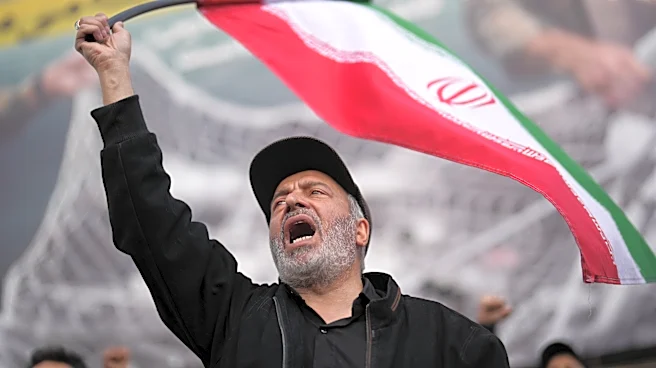
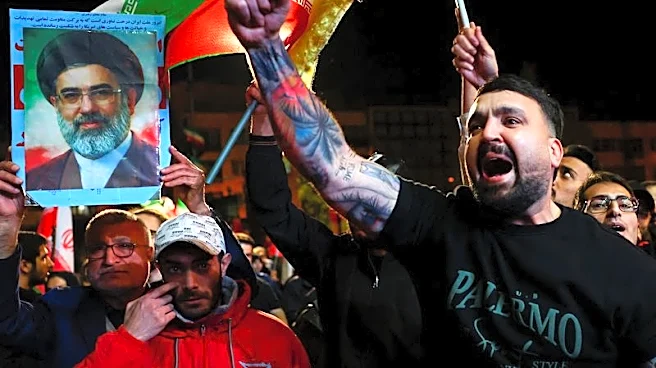
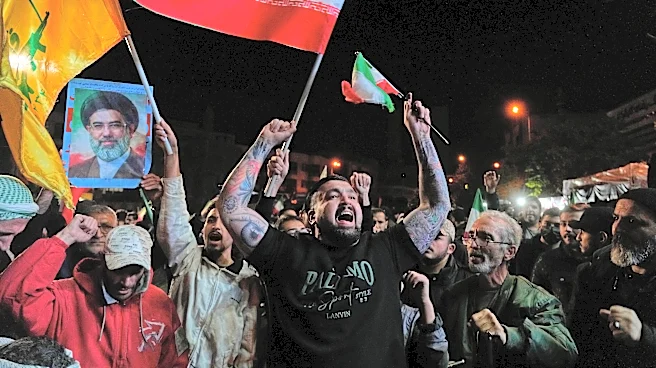
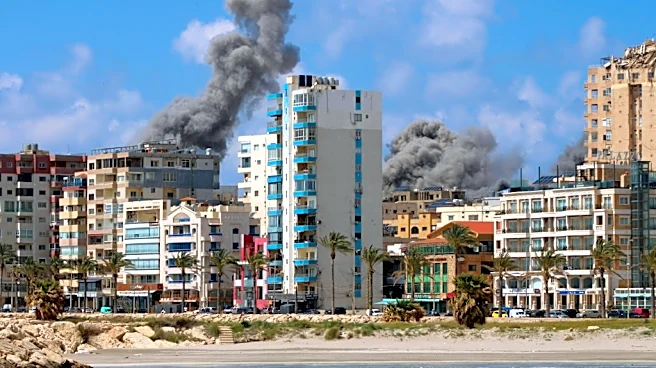
Iran has accused the United States of violating three clauses of a framework deal related to a ceasefire agreement. Iranian Foreign Minister Abbas Araghchi stated that the ceasefire terms included ending the war in Lebanon, a claim that has been disputed
by Israeli Prime Minister Benjamin Netanyahu and U.S. President Trump. The ceasefire, agreed upon by Iran, the U.S., and Israel, was intended to last two weeks and was reached in an effort to prevent a potential bombing campaign threatened by President Trump. Araghchi emphasized that the U.S. must choose between maintaining the ceasefire or continuing the conflict through Israel. The situation remains tense as the world watches to see if the U.S. will adhere to its commitments.
Why It's Important?
The accusations from Iran highlight ongoing tensions in the Middle East and the fragile nature of international agreements. The ceasefire was a critical step in de-escalating potential military actions that could have severe consequences for regional stability. The U.S.'s role in this agreement is under scrutiny, and any perceived violations could lead to further diplomatic strains. The situation also affects global oil markets, as tensions in the region can impact oil supply routes, particularly through the Strait of Hormuz. The outcome of this dispute could influence U.S. foreign policy and its relations with both Iran and Israel.
What's Next?
The next steps involve monitoring the U.S.'s actions regarding the ceasefire agreement and any potential responses from Iran and Israel. Diplomatic efforts may be necessary to address the accusations and ensure compliance with the ceasefire terms. The international community will likely continue to observe the situation closely, as any escalation could have broader implications for global security and economic stability.