


What's Happening?
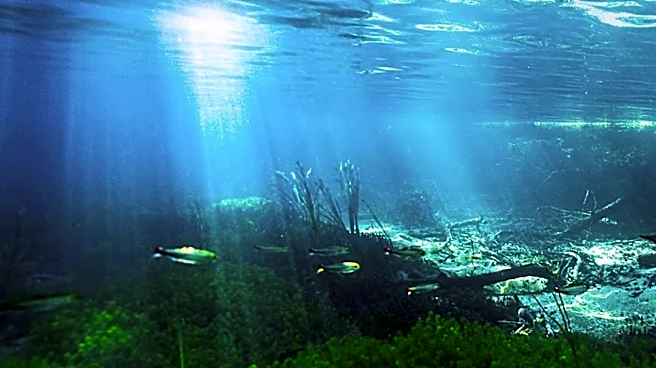
New Zealand mudsnails, an invasive species known for their voracious appetite and ability to clone themselves, have been discovered in Carter Lake reservoir in Larimer County, Colorado. This marks the first time these mudsnails have been found in Carter Lake,
signaling a dangerous expansion of their presence along the Front Range. Colorado Parks and Wildlife (CPW) officials announced the invasion, highlighting the snails' capacity to rapidly multiply, with a single gastropod potentially initiating an infestation leading to hundreds of thousands of snails per square meter. These mudsnails consume algae and other aquatic life, depriving native species of food and offering no nutritional value to fish, which can lead to starvation. Their dense populations also pose a threat by clogging reservoir inlets, outlets, and recreational infrastructure. CPW is implementing thorough inspections and decontamination procedures for watercraft that have been on Carter Lake to prevent further spread.
Why It's Important?
The invasion of New Zealand mudsnails into Carter Lake poses a significant threat to Colorado's aquatic ecosystems and water infrastructure. As a self-cloning species, their rapid proliferation can quickly overwhelm native environments, disrupting the food chain and potentially leading to a decline in fish populations, including those carefully stocked by wildlife managers. This ecological imbalance can have cascading effects on the broader aquatic biodiversity. Economically, the clogging of reservoir inlets and outlets can impact water management and supply, potentially leading to increased maintenance costs and operational challenges for water utilities. Furthermore, the need for stringent watercraft inspections and decontamination measures will affect recreational users, potentially impacting local tourism and outdoor activities. The presence of these mudsnails, alongside other invasive species like zebra mussels, underscores the ongoing challenge of managing and mitigating the impact of non-native species on U.S. natural resources.
What's Next?
Colorado Parks and Wildlife will implement strict measures to prevent the further spread of New Zealand mudsnails from Carter Lake. This includes thorough inspections and potential decontamination of watercraft that have been used in the reservoir before they are allowed into other bodies of water. Warning and advice signs will be placed at Carter Lake to educate boaters and swimmers on best practices for preventing the spread of aquatic nuisance species, emphasizing the importance of cleaning, draining, and drying all gear. Monitoring efforts will likely intensify in Carter Lake and surrounding waterways to assess the extent of the infestation and evaluate the effectiveness of mitigation strategies. Research into control methods for New Zealand mudsnails may also be pursued to develop long-term solutions for managing this invasive species and protecting Colorado's aquatic environments.
Beyond the Headlines
The New Zealand mudsnail invasion in Carter Lake highlights a broader environmental challenge facing the U.S.: the increasing threat of invasive species. These non-native organisms can have profound and often irreversible impacts on native ecosystems, leading to biodiversity loss, altered ecological processes, and significant economic costs. The mudsnail's ability to clone itself and survive harsh conditions, including passing through a bird's digestive system, illustrates the resilience and adaptability that make invasive species particularly difficult to control. This situation underscores the critical need for robust biosecurity measures, public awareness campaigns, and interagency cooperation to prevent the introduction and spread of such species. The long-term implications extend beyond ecological damage to include potential shifts in recreational patterns, increased financial burdens on state and local governments for mitigation, and a re-evaluation of environmental management strategies to protect vulnerable natural resources.