



What's Happening?
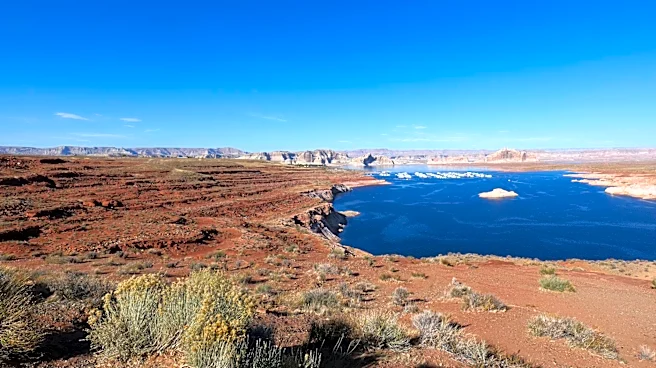
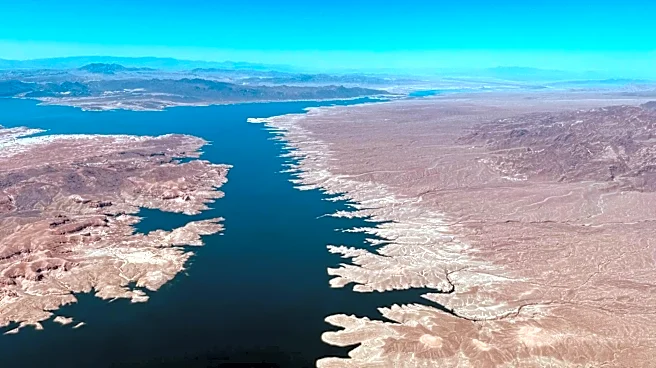
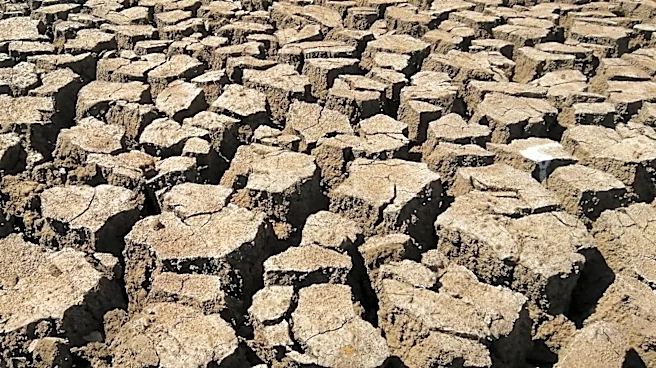
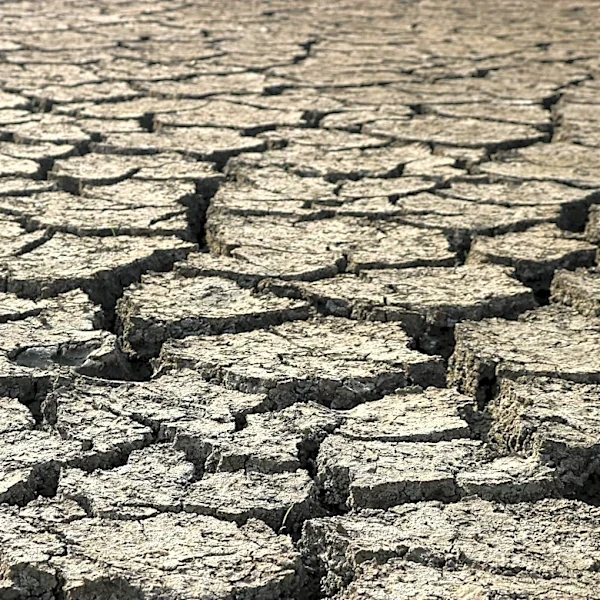
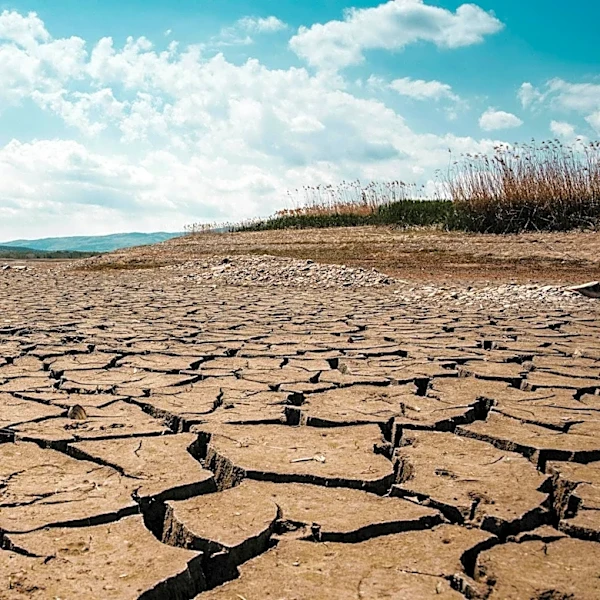
Recent research has highlighted a significant shift in rainfall patterns across California and the western United States, with precipitation becoming more concentrated in fewer, heavier storms. This change is leading to longer dry spells and an overall
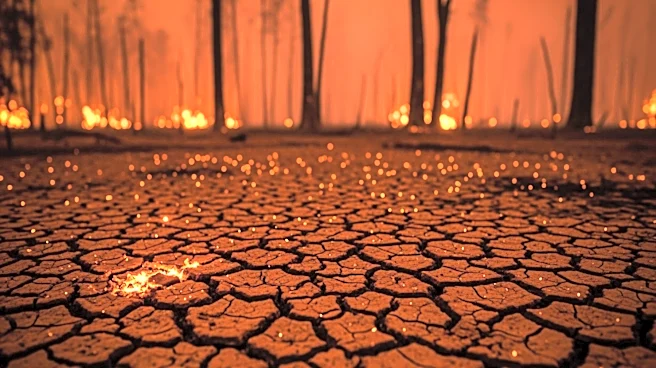
drying of the landscape. The study, published in the journal Nature, analyzed global precipitation data from 1980 to 2022, revealing that the Rocky Mountains have experienced a 20% increase in rainfall concentration. This trend is affecting major water sources like the Colorado River, which has seen a dramatic reduction in flow due to a prolonged megadrought. The findings suggest that climate change is intensifying these patterns, as a warmer atmosphere holds more water vapor, leading to less frequent but more intense rainfall events.
Why It's Important?
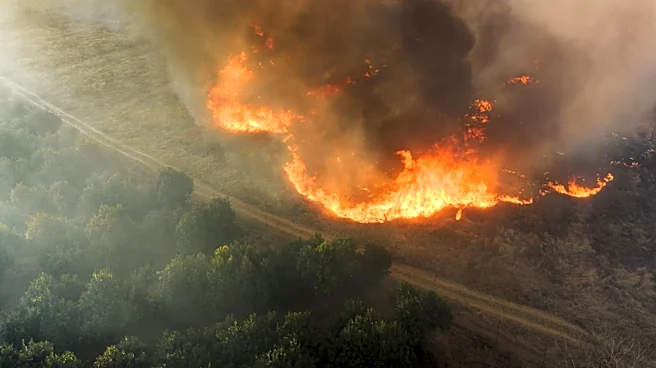
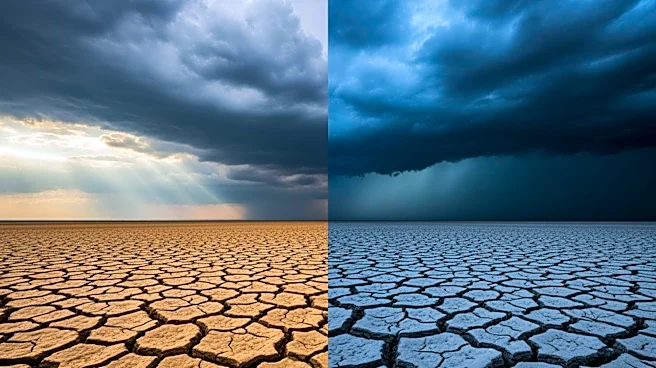
The implications of these findings are significant for water resource management and climate adaptation strategies in the western U.S. As rainfall becomes more concentrated, the risk of flooding increases, while the extended dry periods exacerbate drought conditions. This dual threat poses challenges for agriculture, urban water supply, and ecosystem sustainability. The study underscores the need for updated infrastructure and policies to manage water resources effectively in the face of climate change. The findings also highlight the inadequacy of current drought and flood management approaches, emphasizing the urgency for adaptation to the evolving climate conditions.
What's Next?
As climate models predict further intensification of these trends, stakeholders in California and the West must prioritize the development of resilient water management systems. This includes investing in infrastructure that can capture and store water from intense storms and improving drought preparedness. Policymakers and scientists will need to collaborate to refine climate models and develop strategies that address both the immediate and long-term impacts of these changing precipitation patterns. Public awareness and engagement will also be crucial in driving policy changes and fostering community resilience.