








What's Happening?
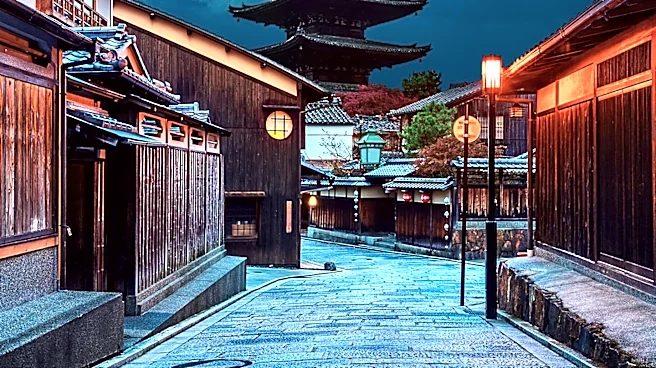
Kyoto, Japan, presents a wide array of cultural and historical experiences for visitors. The city is home to numerous traditional sites such as Shimogamo Shrine, To-ji, and Nijo Castle, offering insights into Japan's rich heritage. Additionally, Kyoto features
several museums, including the Kyoto National Museum and the Kyoto International Manga Museum, catering to various interests. For those seeking interactive experiences, options range from a Perfect Kyoto 1Day Bus Tour to unique cultural activities like Kimono Rental with Hairstyling and Accessories, and a Kyoto 5-Star Geisha Night Walk. The city also provides hands-on workshops, such as a Ring Making Workshop with Vintage Coin and a Traditional Kintsugi Repair Experience, allowing visitors to engage directly with Japanese craftsmanship. Half-day tours are available, including another Kyoto 5-Star Geisha Night Walk and a Kyoto Tea Ceremony with Kimono near Imamiya Jinjya Shrine, providing flexible options for exploration.
Why It's Important?
The diverse offerings in Kyoto are important for several reasons. For the tourism industry, these attractions draw a significant number of international and domestic visitors, contributing to the local economy through accommodation, dining, retail, and tour services. The preservation and promotion of historical sites like Shimogamo Shrine and Nijo Castle, alongside cultural practices such as kimono rentals and tea ceremonies, help maintain and share Japan's unique cultural identity. This cultural exchange fosters a deeper understanding and appreciation of Japanese traditions globally. The variety of activities, from historical tours to modern manga museums and craft workshops, ensures that Kyoto appeals to a broad demographic, from history enthusiasts and art lovers to families and solo travelers. This comprehensive approach to tourism not only boosts economic activity but also reinforces Kyoto's reputation as a premier cultural destination.
What's Next?
Looking ahead, Kyoto is expected to continue enhancing its tourism infrastructure and diversifying its offerings to attract more visitors. The ongoing development of specialized tours and workshops, such as the ring making and Kintsugi repair experiences, indicates a trend towards more immersive and personalized travel. There will likely be continued efforts to promote seasonal attractions, such as fall foliage tours, which are already popular. The city may also focus on improving accessibility and convenience for tourists, potentially through integrated transport solutions and multilingual services, to ensure a seamless visitor experience. Furthermore, as global travel patterns evolve, Kyoto will likely adapt its strategies to cater to emerging markets and preferences, ensuring its sustained appeal as a top cultural destination.
Beyond the Headlines
Beyond the immediate economic and cultural benefits, Kyoto's emphasis on preserving and sharing its heritage has deeper implications. The city serves as a living museum, where ancient traditions are not merely observed but actively practiced and integrated into contemporary life. This commitment to cultural continuity provides a powerful counter-narrative to rapid globalization, demonstrating how a city can embrace modernity while remaining deeply rooted in its past. The availability of workshops like Kintsugi, which teaches the art of repairing broken pottery with gold, symbolizes a broader philosophy of finding beauty in imperfection and resilience, a concept that resonates beyond craftsmanship. This blend of historical reverence and practical engagement offers visitors not just sightseeing, but a chance for personal enrichment and a deeper connection to timeless human values.