






What's Happening?
FirstEnergy Transmission company American Transmission Systems, Inc. (ATSI), in collaboration with the Public Utilities Commission of Ohio (PUCO) and other utilities and technology companies, is embarking on a $137 million statewide grid modernization
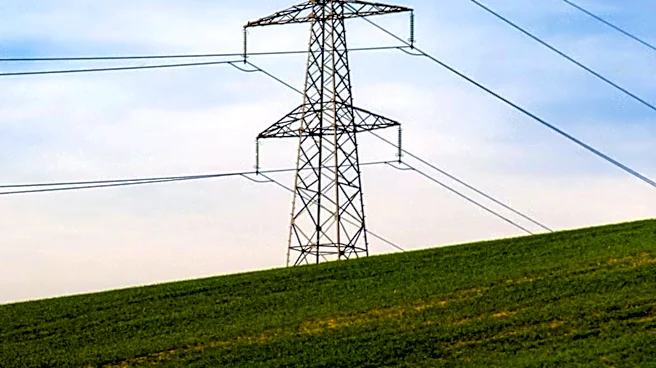
initiative. This project, partially funded by the U.S. Department of Energy's Advanced Transmission Technology Upgrades (SPARK) program, aims to enhance the performance of Ohio's existing electric grid. The initiative will focus on testing advanced technologies such as Dynamic Line Ratings and Advanced Power Flow Controllers. Dynamic Line Ratings utilize sensors and real-time data to provide a more precise understanding of transmission line performance, allowing operators to safely maximize available capacity. Advanced Power Flow Controllers will function like traffic signals for electricity, directing power to less congested transmission lines to optimize grid capacity. ATSI's portion of the project, an approximately $28 million investment, will concentrate on several existing transmission lines in northeast Ohio, specifically in Ashtabula, Lake, and Cuyahoga counties. This multi-year effort is slated to commence in early 2027.
Why It's Important?
This grid modernization initiative is crucial for Ohio and the broader U.S. energy landscape as electricity demand continues to grow. By focusing on making the existing grid work smarter rather than immediately building new infrastructure, the project addresses the challenge of increasing energy needs while potentially reducing the need for costly and time-consuming new construction. The implementation of Dynamic Line Ratings and Advanced Power Flow Controllers could lead to improved reliability for homes and businesses by better managing power flows and preventing bottlenecks. This enhanced efficiency in using existing transmission lines can also support economic development by providing additional capacity for growing energy demand. The insights gained from this project will be valuable for guiding future investments in Ohio's electric grid, potentially setting a precedent for other states facing similar challenges in grid resilience and capacity. The collaboration between federal, state, and industry leaders underscores a concerted effort to address critical infrastructure needs and adapt to a changing energy environment.
What's Next?
The multi-year project is expected to begin in early 2027, with the initial phase focusing on testing the advanced technologies in northeast Ohio. The outcomes of these tests will be critical in determining the effectiveness of Dynamic Line Ratings and Advanced Power Flow Controllers in improving grid performance. The lessons learned from this initiative will inform future transmission investments and potentially influence grid modernization strategies across Ohio and beyond. Major stakeholders, including utilities, regulators, and technology companies, will closely monitor the project's progress and results. If successful, these technologies could be scaled up and adopted in other regions, leading to a more resilient and efficient national electric grid. The project's findings will also contribute to the ongoing dialogue about how to best meet increasing energy demands while optimizing existing infrastructure and integrating new technologies.
Beyond the Headlines
This initiative highlights a broader shift in energy infrastructure strategy, moving towards optimizing existing assets through technology rather than solely relying on new construction. The emphasis on 'smarter' grid management reflects a growing recognition of the complexities introduced by increasing electricity demand, extreme weather events, and the integration of distributed energy resources. Ethically, this approach aims to provide more reliable and affordable electricity to consumers by maximizing efficiency and potentially delaying the need for rate increases associated with new infrastructure. Legally, the project operates within existing regulatory frameworks but could inform future policy decisions regarding grid resilience, cybersecurity, and supply chain risks, as emphasized by the proposed SECURE Grid Act. Culturally, it signifies a move towards a more data-driven and technologically advanced approach to energy management, fostering innovation within the utility sector and encouraging collaboration between public and private entities to address critical infrastructure challenges.