





What's Happening?
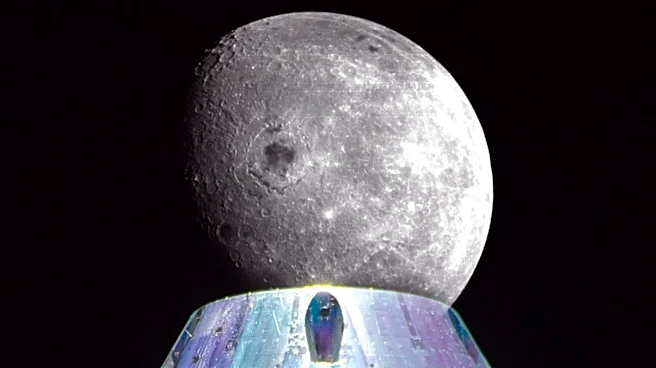
NASA has initiated a new program, Geophysical Instruments for Marius Lunar pit Investigation (GIMLI), to explore the possibility of a vast underground cave system on the Moon. This investigation focuses on the Marius Hill Pit, a feature discovered in 2009
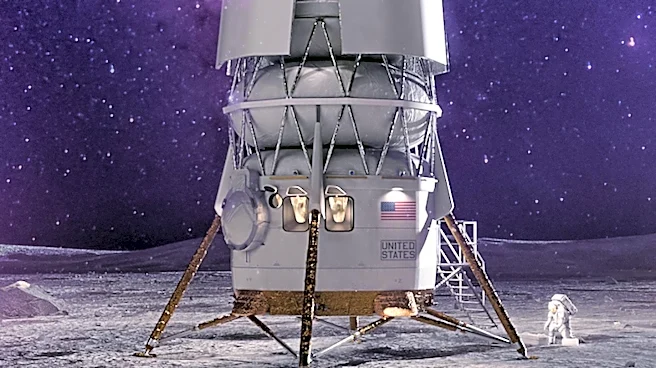
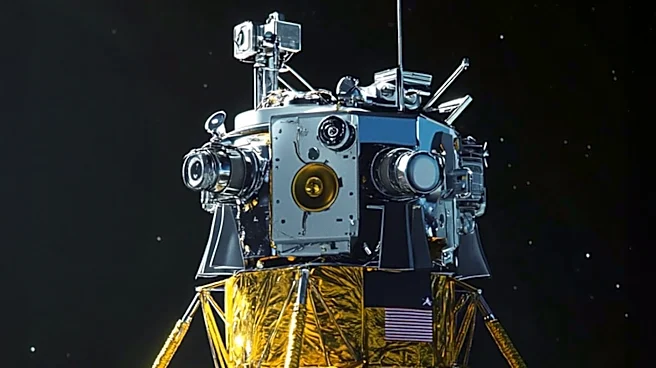
by Japan's Kaguya moon orbiter. Scientists believe this pit could be an entrance to a large lava tube, formed by ancient volcanic activity. GIMLI is one of three projects selected by NASA to enhance understanding of the Moon, specifically to support the development of a future lunar base near the south pole. The project, led by the Planetary Science Institute (PSI) and funded through NASA's Payloads and Research Investigations on the Surface of the Moon (PRISM) program, will deploy ground-penetrating radar, seismic sensors, and a gravimeter to collect data from the lunar surface. This equipment will be delivered to the Moon via NASA's Commercial Lunar Payloads Services program, with Honeybee Robotics assisting in its construction.
Why It's Important?
The potential discovery of extensive lava tubes on the Moon holds significant implications for future lunar exploration and habitation. Such underground structures could serve as natural shelters for astronauts, offering protection from the Moon's extreme temperatures, harmful radiation, and micrometeorite impacts. This natural shielding would be invaluable for establishing a sustainable human presence on the lunar surface, potentially reducing the need for extensive human-made protective structures. Confirming the existence and characteristics of these lava tubes would also provide crucial insights into the Moon's volcanic history, helping scientists better understand its geological evolution. The data gathered by GIMLI could inform the design and location of future lunar habitats, making long-duration missions safer and more feasible. This research is a critical step in NASA's broader objective of establishing a permanent human presence on the Moon.
What's Next?
The GIMLI project will proceed with the development and deployment of its specialized equipment to the lunar surface. Once the instruments are in place, they will begin collecting data using ground-penetrating radar, seismic sensors, and a gravimeter. This data will then be analyzed by a team led by PSI associate director and senior scientist Than Putzig, in partnership with the Norwegian Space Agency. The primary goal is to determine if a subsurface lava tube exists beneath the Marius Hill Pit and, if so, to map its size and characteristics. The findings will directly influence NASA's plans for future lunar missions and the construction of a moon base. Success in identifying a viable lava tube could lead to subsequent missions focused on further exploration and potential utilization of these natural shelters for astronaut crews.
Beyond the Headlines
The search for lunar caves extends beyond immediate practical applications for astronaut safety; it delves into fundamental questions about planetary geology and the potential for extraterrestrial life. Lava tubes, if confirmed, could preserve unique geological records, offering clues about the Moon's past environment and volcanic processes that might be obscured on the surface. Furthermore, these sheltered environments could potentially harbor stable conditions for scientific experiments or even unique microbial life forms, protected from the harsh lunar surface. The GIMLI mission represents a broader shift in space exploration towards utilizing natural resources and features to enable more sustainable and ambitious long-term human presence beyond Earth. This approach could set a precedent for future missions to other celestial bodies, where similar underground structures might offer similar advantages.