
What's Happening?
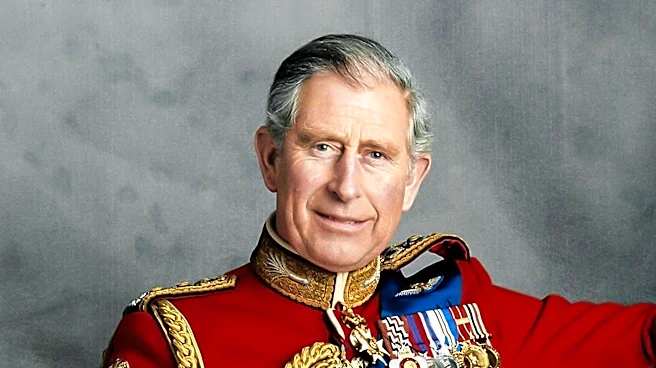
A delegation from Jamaica, led by the nation’s culture minister Olivia Grange, has arrived in the UK to present a landmark petition to King Charles regarding slavery reparations. The petition, which will
be formally lodged with the monarch, Jamaica’s head of state, on Monday, seeks to address the enduring economic and social disadvantages faced by Jamaica due to the legacy of slavery. The petition specifically asks King Charles to use his authority to request legal advice from the judicial committee of the London-based privy council. The aim is to determine whether the forced transport of Africans to Jamaica was lawful, if it constituted a crime against humanity, and if Britain is obligated to provide restitution to Jamaica for slavery and its lasting consequences. Grange emphasized that these questions and a response from the privy council are crucial for advancing Jamaica’s reparations claims. Between the 15th and 19th centuries, over 12.5 million Africans were forcibly taken to the Americas and sold into slavery, with Jamaica being one of the affected nations. Jamaica established its national reparations mechanism in 2009, making it the first Caribbean nation to do so.
Why It's Important?
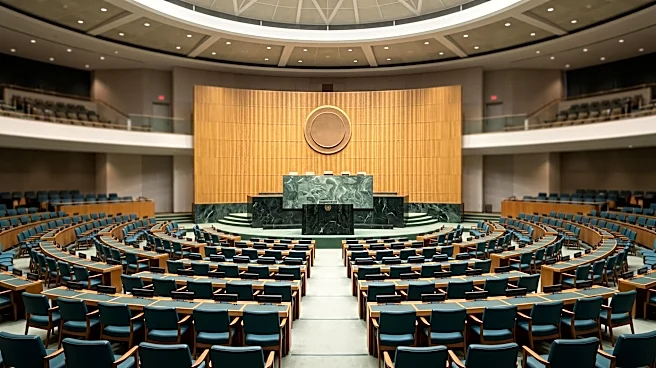
This petition represents a significant step in the global movement for reparatory justice, highlighting the ongoing impact of historical transatlantic slavery on former British colonies like Jamaica. The initiative underscores the belief that the legacy of slavery continues to impede Jamaica's development, affecting its education, health systems, and overall economic stability. By directly appealing to King Charles, Jamaica is seeking to leverage the monarch's position as head of state to initiate a formal legal inquiry into the historical injustices. A favorable response from the privy council could set a precedent for other former colonies seeking reparations and could compel Britain to acknowledge its historical role and consider restitution. The move also brings increased international attention to the issue of reparations, especially following a UN resolution in March that described chattel slavery as the gravest crime against humanity. The outcome could influence future discussions at international forums like the UN General Assembly and the Commonwealth heads of government meeting, where reparations are increasingly becoming a central topic.
What's Next?
Following the presentation of the petition to King Charles, the Jamaican delegation has several engagements planned. On Sunday, they will host a remembrance church service in Brixton. Later in the week, they are scheduled to meet with UK members of parliament to discuss their cause. Additionally, the delegation plans to visit the British Museum to discuss the repatriation of Jamaican artifacts, further broadening their advocacy beyond financial reparations to include cultural restitution. The petition's progress will depend on King Charles's response and whether he agrees to seek legal advice from the privy council. This event is part of a larger series of upcoming activities, including a Caribbean reparations conference in Barbados later this month, advocacy at the UN General Assembly in late September, and the Commonwealth heads of government meeting in Antigua in November, which King Charles is slated to attend. These events will likely see continued pressure on former colonial powers to address the legacies of slavery.
Beyond the Headlines
The Jamaican delegation's petition to King Charles delves into profound ethical, legal, and historical dimensions of colonialism and slavery. It challenges the traditional narrative of historical events by demanding accountability and restitution for past injustices that continue to manifest in contemporary societal and economic disparities. The request for the privy council to determine the lawfulness of forced transport and whether it constituted a crime against humanity could redefine legal interpretations of historical actions and establish new precedents for international justice. This initiative also highlights the evolving role of the monarchy in addressing historical grievances, placing King Charles in a position to either acknowledge and facilitate a path towards reconciliation or maintain the status quo. The broader implications extend to cultural identity and human dignity, as the delegation seeks not only economic redress but also a recognition of the profound dehumanization experienced by enslaved Africans. This movement could inspire other nations to pursue similar claims, potentially leading to a global re-evaluation of colonial legacies and a push for comprehensive reparatory justice.