




What's Happening?
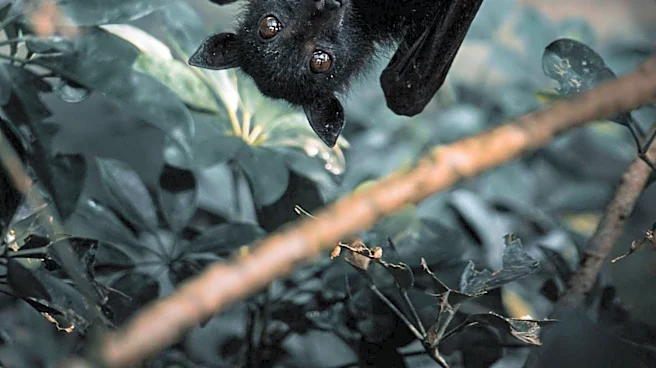
Missoula Animal Services has announced that two bats in the Missoula, Montana, area recently tested positive for rabies. This confirmation has prompted local animal health officials to issue a public warning, emphasizing the critical importance of keeping
domestic pets, specifically dogs and cats, current on their rabies vaccinations. The agency did not disclose the precise locations where the infected bats were discovered, nor did they indicate whether any individuals or other animals had been exposed to the rabid bats. This development highlights the persistent public health risk associated with rabid wildlife in the region. Rabies, a viral zoonotic disease, attacks the central nervous system of mammals and is almost always fatal once clinical symptoms appear, making prevention and prompt intervention essential. Bats are recognized as a significant wildlife reservoir for rabies in Montana and across the United States. While human rabies infections are rare in the U.S., infected wildlife continues to pose potential exposure risks to both people and domestic animals.
Why It's Important?
The confirmation of rabid bats in Missoula carries significant public health implications for the community. Unvaccinated pets are highly susceptible to rabies if they encounter infected wildlife, which can then transmit the disease to humans. Although domestic animal vaccination programs have drastically reduced rabies incidence in American dogs and cats, the presence of rabid wildlife means the threat has not been eliminated. This situation underscores the ongoing need for vigilance and adherence to public health guidelines. The potential for bat encounters, especially in residential areas, makes this a particular concern, as bat bites can be small and difficult to detect, leading to unrecognized exposures. The cost of post-exposure prophylaxis (PEP) for humans is substantial, and the emotional toll of potential exposure is considerable. Therefore, proactive measures like pet vaccination are crucial in preventing the spread of this deadly disease and protecting both animal and human populations.
What's Next?
Following the confirmed cases, Missoula Animal Services is urging residents to exercise caution and report any suspected human or pet exposures to the appropriate authorities. Residents are advised to contact the Missoula Public Health Infectious Disease Department for suspected human exposures and Missoula Animal Services for suspected pet exposures, bats found inside homes, or bats exhibiting unusual behavior. Pet owners should verify their animals' vaccination records and contact their veterinarians if vaccinations are overdue. The agency also recommends never intentionally touching bats, whether alive or dead, and seeking prompt medical evaluation after any direct contact, even if a bite is not visible. Public health officials will continue to monitor the situation and provide guidance on prevention and response. The community can expect ongoing educational efforts to raise awareness about rabies risks and the importance of vaccination and safe wildlife interaction.
Beyond the Headlines
Beyond the immediate public health concern, these rabid bat cases highlight the broader 'One Health' concept, which recognizes the interconnectedness of human, animal, and environmental health. The presence of rabies in wildlife reservoirs like bats demonstrates that even with effective domestic animal vaccination programs, the virus persists in the ecosystem. This necessitates continuous collaboration among veterinarians, physicians, wildlife specialists, animal control officers, and public health departments. The cases also bring to light the ecological role of bats, which, despite being rabies carriers, provide valuable services such as insect control. The challenge lies in managing the public health risk without fostering undue fear or indiscriminate harm to wildlife. This incident serves as a reminder that public health success in rabies prevention relies on a complex system of surveillance, vaccination, education, and timely intervention, requiring constant vigilance and community participation to protect against a disease with devastating consequences.