






What's Happening?
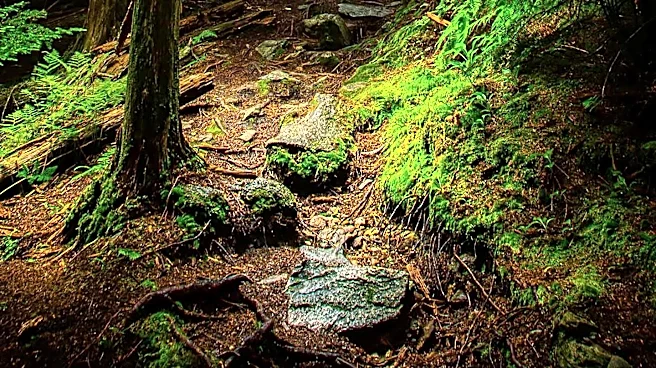
Cook Forest State Park in northwestern Pennsylvania provides a wide array of hiking trails suitable for all experience levels, from easy strolls to challenging backpacking adventures. A highlight of the park is the Forest Cathedral, a National Natural
Landmark featuring ancient eastern hemlock and white pine trees. Trails like the Sensory Trail offer an ADA-accessible 0.2-mile loop for beginners, while the 2.6-mile Black Bear Trail is popular for families. More moderate options include the 2-mile Cook Trail with river overlooks. For experienced hikers, the 1.5-mile River Trail presents a steep climb with scenic views, and it can connect to a longer 13.7-mile route. The park also hosts a 12-mile overlap of the Baker Trail and the North Country National Scenic Trail, offering true backpacking experiences. Additionally, Cook Forest State Park has installed color-enhancing viewfinders at Seneca Point Vista, one of ten across Pennsylvania state parks, to improve the experience for colorblind visitors.
Why It's Important?
Cook Forest State Park's diverse trail offerings and commitment to accessibility hold significant importance for outdoor recreation and public engagement with nature in the U.S. By catering to all skill levels, the park promotes physical activity and mental well-being across a broad demographic, from families with young children to seasoned backpackers. The preservation of the Forest Cathedral, with its old-growth trees, underscores the ecological value of such natural landmarks and their role in conservation efforts. The integration of ADA-accessible trails ensures that individuals with mobility challenges can also experience the beauty of the forest, fostering inclusivity in outdoor spaces. The installation of color-enhancing viewfinders is a pioneering step in making natural landscapes more accessible and enjoyable for colorblind individuals, setting a precedent for other parks nationwide. This initiative not only enhances the visitor experience but also highlights a growing awareness of diverse sensory needs in public spaces, contributing to a more equitable and inclusive outdoor environment.
What's Next?
Cook Forest State Park will likely continue to maintain and potentially expand its trail network, responding to visitor demand and ecological considerations. The success of the color-enhancing viewfinders may lead to their wider adoption in other U.S. national and state parks, improving accessibility for colorblind visitors across the country. Park management will continue to balance recreational use with conservation efforts, particularly in sensitive areas like the Forest Cathedral. Educational programs focusing on the park's unique ecology and responsible trail use are also expected to continue. The park's connection to long-distance trails like the Baker Trail and North Country National Scenic Trail will continue to attract thru-hikers, necessitating ongoing collaboration with trail organizations for maintenance and support. Future developments might include further enhancements to visitor facilities and services to accommodate the growing number of diverse visitors.
Beyond the Headlines
The initiative to install color-enhancing viewfinders at Cook Forest State Park represents a deeper societal recognition of neurodiversity and sensory differences in public spaces. It moves beyond basic physical accessibility to address perceptual barriers, enriching the experience of nature for a previously underserved group. This innovation could spark broader conversations about how public spaces, including parks and museums, can be designed to be more inclusive for individuals with various sensory processing differences. The park's emphasis on preserving old-growth forests also speaks to the long-term ecological and cultural value of these ancient ecosystems, serving as living laboratories and vital carbon sinks. The diverse range of trails, from easy to strenuous, reflects a philosophy that nature should be accessible and beneficial to everyone, regardless of their physical capabilities. This holistic approach to park management and visitor experience contributes to a more empathetic and inclusive understanding of human interaction with the natural world.