








What's Happening?
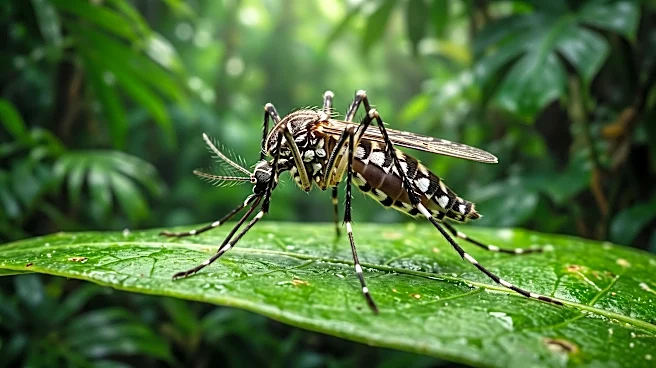
Honduras's Secretary of Health has confirmed eight cases of chikungunya virus, with infections reported in Tegucigalpa, Atlántida, Olancho, and El Paraíso. The virus, transmitted by Aedes mosquitoes, was initially identified in September as an imported
case from Nicaragua. Dr. Homer Mejía, head of Epidemiological Surveillance for the Secretary of Health (Sesal), stated that four cases are in Tegucigalpa, two in Atlántida, one in Olancho, and one in El Paraíso. Authorities are particularly concerned about the community of El Pedregalito in Alauca, El Paraíso, where community transmission has been identified. This community is approximately five kilometers from the Nicaraguan border, posing a challenge for epidemiological surveillance. Symptoms of chikungunya include sudden fever, headache, muscle pain, and intense joint pain, which can severely limit movement. Despite the confirmed cases, no hospitalizations or deaths related to chikungunya have been reported in Honduras to date.
Why It's Important?
The detection of community transmission of chikungunya in Honduras, particularly near the Nicaraguan border, highlights the ongoing challenge of mosquito-borne diseases in Central America. While the immediate impact is localized to Honduras, the proximity to Nicaragua and the nature of mosquito-borne illnesses mean there's a potential for cross-border spread. This situation underscores the need for robust public health surveillance and vector control measures to prevent wider regional outbreaks. The intense joint pain associated with chikungunya can lead to significant morbidity, affecting individuals' ability to work and carry out daily activities, which can have socio-economic consequences for affected communities. The absence of hospitalizations or deaths is positive, but continuous monitoring is crucial to maintain this status and prevent severe outcomes.
What's Next?
Honduran health authorities will continue epidemiological surveillance, especially in areas with confirmed cases and community transmission, such as El Pedregalito. Efforts will focus on identifying new cases and implementing measures to reduce the risk of further spread. The public is advised to be vigilant for symptoms, particularly in affected communities, and to seek medical evaluation for fever accompanied by intense joint pain. Prevention strategies will likely emphasize eliminating standing water containers to reduce mosquito breeding sites and encouraging personal protection against mosquito bites. Cross-border collaboration with Nicaraguan health officials may also become important to manage the spread of the virus given the geographical proximity of the affected community to the border.
Beyond the Headlines
The chikungunya outbreak in Honduras, while currently contained, points to broader environmental and public health challenges in the region. Climate change, urbanization, and inadequate sanitation can create ideal breeding grounds for Aedes mosquitoes, making populations vulnerable to diseases like chikungunya, dengue, and Zika. The intense joint pain characteristic of chikungunya can persist for weeks or even months, leading to chronic disability and a significant burden on healthcare systems and individual livelihoods. This situation underscores the critical need for integrated vector management programs, public education campaigns, and resilient healthcare infrastructure to effectively respond to and mitigate the impact of emerging and re-emerging infectious diseases in the U.S. and globally.