





What's Happening?
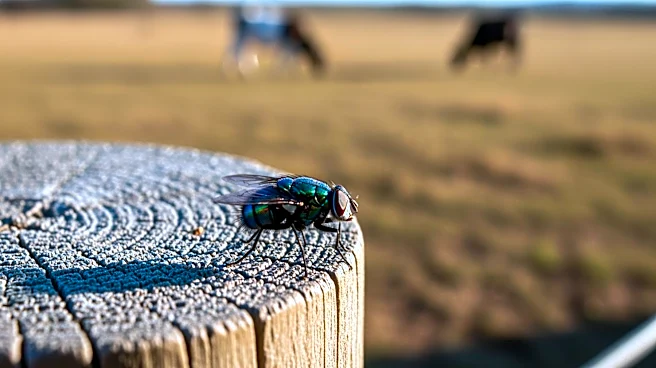
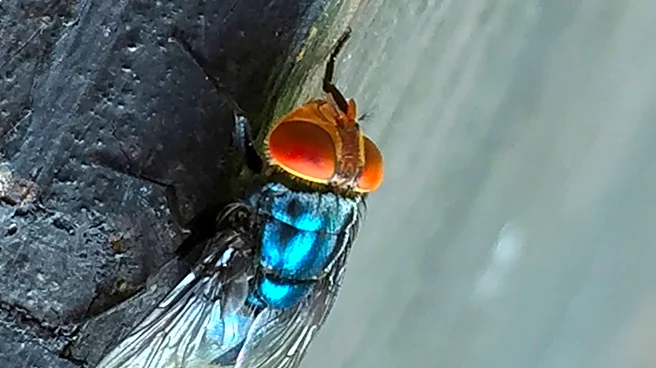
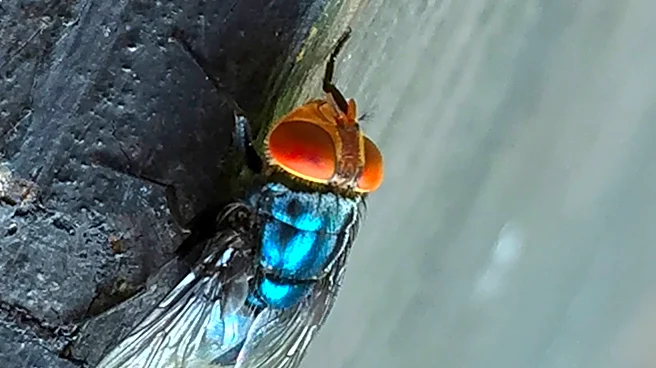
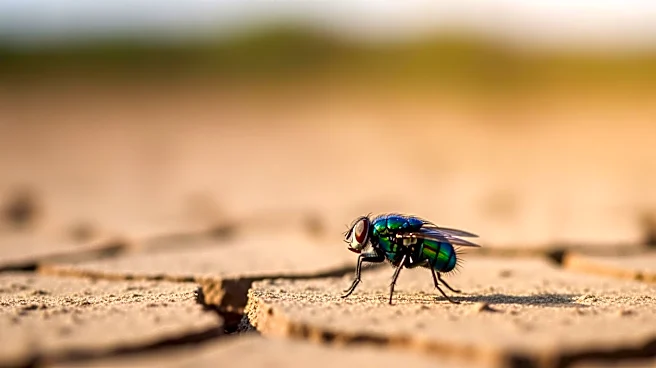
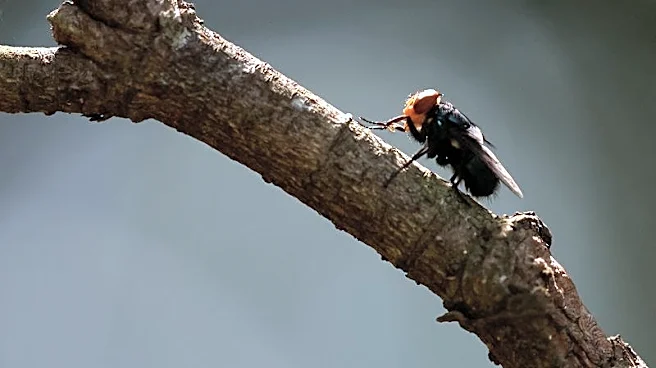
The New World screwworm fly, a flesh-eating parasite, has been detected in a Texas calf, raising concerns about its impact on pets and wildlife. The parasite can infect animals with open wounds, leading to severe pain and tissue destruction. While the
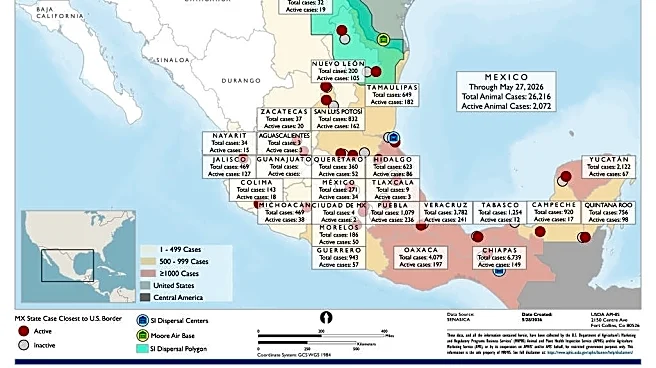
risk to pets in the U.S. remains low, the situation is evolving as the parasite spreads north through Central America. Federal health agencies are treating the threat seriously, particularly in southern states.
Why It's Important?
The detection of the screwworm fly in Texas could have significant ecological and economic implications. The parasite's presence could lead to increased beef prices due to supply disruptions and pose a threat to wildlife populations. The USDA's efforts to contain the fly are crucial to preventing widespread infestation and protecting the agricultural economy. The situation highlights the importance of maintaining vigilance and cooperation from pet owners and wildlife experts.
What's Next?
Federal health agencies are monitoring the situation closely and have implemented import controls to prevent the spread of the parasite. Pet owners are advised to watch for signs of infestation and seek prompt treatment for any wounds. The USDA's efforts to control the screwworm fly population are ongoing, with plans to expand sterile fly breeding facilities and deploy more traps.