
What's Happening?
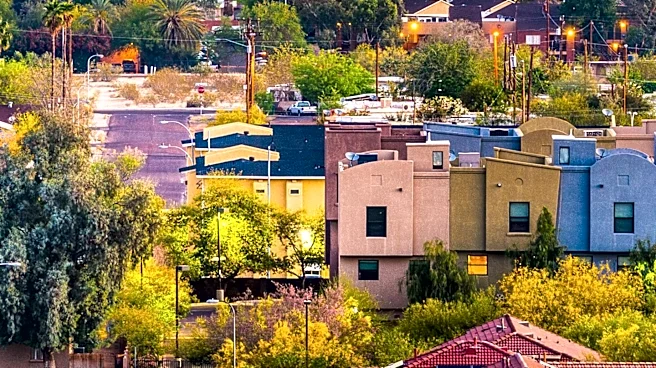
Phoenix is set to reach a significant milestone this week, having applied 200 miles of 'cool pavement' as part of its ongoing efforts to combat extreme heat. The city's Streets Department applies a reflective
gray coating, which contains titanium dioxide, to low-volume residential roads that require maintenance. This coating is designed to reflect sunlight rather than absorb heat, potentially lowering pavement surface temperatures by up to 12 degrees. The program, initiated in 2020, aims for the coating to last approximately eight years. While the city acknowledges that cool pavement is not a complete solution to Phoenix's intense heat, officials hope that every degree of cooling can make a difference. A previous version of the coating in some areas of Phoenix had peeled in 2022 following a major storm.
Why It's Important?
This initiative is important as Phoenix, one of the hottest major cities in the U.S., seeks innovative solutions to mitigate the severe impacts of extreme heat on its residents and infrastructure. The 'cool pavement' program represents a tangible effort to reduce urban heat island effects, which can contribute to higher energy consumption for cooling, increased health risks, and decreased outdoor comfort. While the direct impact on ambient air temperature for individuals standing on the pavement may be limited, as a city study noted an increase in radiant heat exposure around midday, the long-term benefits of cooler surfaces could contribute to a more sustainable urban environment. The program's expansion to 200 miles demonstrates a commitment to addressing climate challenges at a local level, potentially serving as a model for other heat-stressed cities across the nation.
What's Next?
Phoenix will continue to monitor the effectiveness and durability of the 'cool pavement' as it expands the program. The city's ongoing studies will likely provide more comprehensive data on its impact on surface temperatures, energy consumption, and overall urban heat island reduction. Future efforts may involve refining the coating technology or exploring additional heat mitigation strategies to complement the cool pavement initiative. The success and challenges encountered in Phoenix could influence policy decisions and urban planning in other U.S. cities grappling with rising temperatures. Residents' feedback, such as observations that the heat doesn't linger as much after sunset, will also be crucial in evaluating the program's practical benefits and guiding its future direction.
Beyond the Headlines
The 'cool pavement' initiative in Phoenix highlights a broader shift in urban planning towards climate resilience and adaptation. Beyond the immediate goal of reducing surface temperatures, such projects underscore the ethical responsibility of cities to protect vulnerable populations from extreme weather events. The use of titanium dioxide in the coating also raises questions about the environmental impact of such materials and their long-term effects on ecosystems. This effort is part of a larger global trend where cities are experimenting with various green infrastructure solutions to combat climate change, from reflective surfaces to increased tree canopy. The challenges faced, such as the peeling of a previous coating, emphasize the need for continuous research, development, and adaptation in implementing these solutions, reflecting the complex interplay between urban development, technology, and environmental sustainability.