






What's Happening?
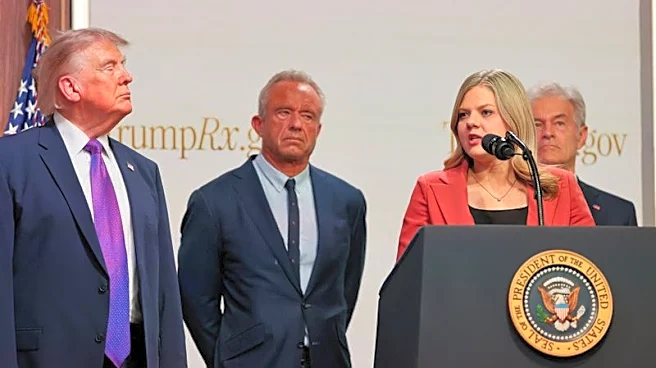
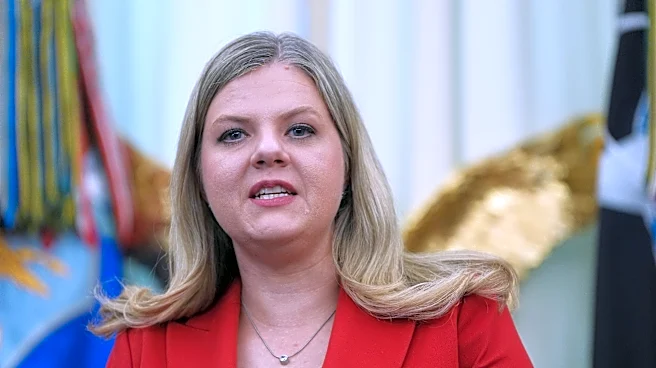
President Donald Trump has nominated Heidi Overton to serve as the next Commissioner of the Food and Drug Administration (FDA). The announcement was made by President Trump on his Truth Social platform, where he praised Overton as a 'ROCKSTAR' in his administration.
Overton, a policy aide who previously worked at the Trump-aligned America First Policy Institute, is expected to champion 'America First' policies at the federal regulatory body responsible for food safety, drug standards, and public health. Her nomination follows the resignation of the previous FDA director, Dr. Marty Makary, in May. Overton holds an MD from the University of New Mexico and a PhD in clinical investigation from Johns Hopkins University. She has been a trusted member of President Trump's White House during his second term and has been notably critical of abortion pills, aligning with anti-abortion activists seeking greater restrictions on access. President Trump also indicated that Overton would be instrumental in pursuing 'most favored nation' deals with drug companies to reduce medical drug costs in the U.S.
Why It's Important?
The nomination of Heidi Overton to lead the FDA carries significant implications for public health policy and the pharmaceutical industry in the U.S. Her stated commitment to 'America First' policies suggests a potential shift in the agency's regulatory approach, possibly prioritizing domestic interests and potentially impacting international drug development and approval processes. Her critical stance on abortion pills indicates a likely move towards stricter regulations on reproductive health medications, which could face considerable opposition from women's rights advocates and healthcare providers. Furthermore, President Trump's emphasis on 'most favored nation' deals for drug pricing, with Overton's expected involvement, could lead to substantial changes in how pharmaceutical companies operate and price their products in the U.S. This could result in lower drug costs for consumers but might also affect the profitability and research investments of drug manufacturers. The FDA's leadership plays a crucial role in ensuring the safety and efficacy of drugs and food, and a change in its philosophical approach could have far-reaching effects on public trust and health outcomes.
What's Next?
Heidi Overton's nomination must now be confirmed by the U.S. Senate. While the Republican Party holds a slim majority in the Senate, her confirmation could face hurdles, as indicated by Republican Senator Bill Cassidy of Louisiana. Senator Cassidy, a doctor, has expressed concerns regarding Overton's lack of managerial experience for a large organization like the FDA and her active role in a recent 'nonsensical vaccine executive order,' which he believes calls into question her commitment to sound science and children's health. These concerns suggest that the confirmation process may involve intense scrutiny and debate over her qualifications, policy stances, and potential impact on the FDA's scientific integrity. If confirmed, Overton will be tasked with addressing staffing and morale issues within the agency, as well as implementing President Trump's health agenda, including initiatives related to drug pricing and regulatory oversight. The outcome of her Senate confirmation will determine the future direction of the FDA and its influence on critical health and safety matters in the U.S.
Beyond the Headlines
Overton's nomination highlights a broader tension between political agendas and scientific consensus within federal health agencies. The Trump administration's history of a 'rocky relationship' with health agencies, where staff and experts have resisted efforts to challenge established scientific understanding, suggests that Overton's tenure, if confirmed, could exacerbate these internal conflicts. Her background with the America First Policy Institute and her alignment with President Trump's priorities could lead to a more politicized FDA, potentially undermining the agency's traditional role as an independent, science-driven regulatory body. This shift could have long-term implications for public trust in scientific institutions and the perceived objectivity of health regulations. The debate surrounding her nomination will likely extend beyond her individual qualifications to encompass fundamental questions about the balance between political influence and scientific integrity in safeguarding public health, particularly concerning sensitive issues like vaccine policy and reproductive rights.