

What's Happening?
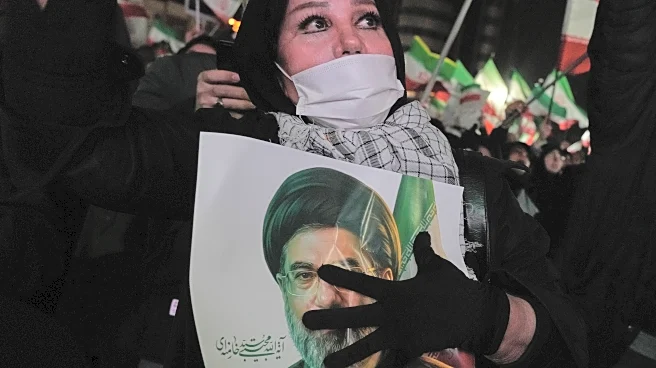
Angela Wilkinson, the Secretary General of the World Energy Council, emphasized the urgent need for de-escalation in the ongoing conflict involving Iran. Speaking at China's Clean Energy Expo, Wilkinson highlighted that resolving tensions in the Middle
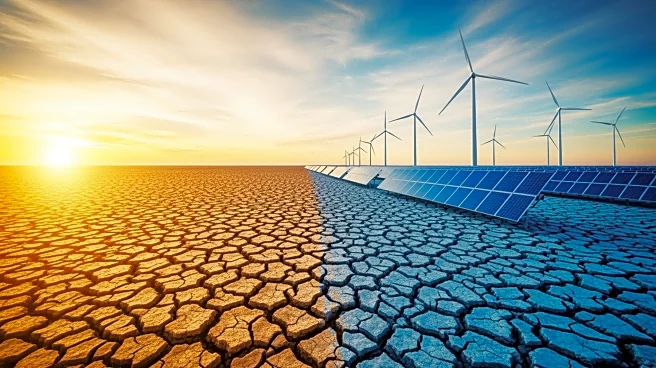
East is crucial for the global community to refocus on energy transition and rebalancing efforts. The conflict has been a significant distraction, hindering progress in discussions and actions related to sustainable energy solutions. The World Energy Council, which plays a pivotal role in global energy policy discussions, is advocating for peace as a precursor to addressing broader energy challenges.
Why It's Important?
The call for de-escalation by the World Energy Council underscores the interconnectedness of geopolitical stability and energy policy. The ongoing conflict in Iran has far-reaching implications for global energy markets, potentially affecting oil prices and supply chains. By prioritizing peace, the Council aims to create a conducive environment for advancing energy transition initiatives, which are critical for addressing climate change and ensuring energy security. Stakeholders in the energy sector, including governments and corporations, stand to benefit from a stable geopolitical climate that allows for uninterrupted focus on sustainable energy development.
What's Next?
If de-escalation efforts are successful, it could pave the way for renewed international cooperation on energy policies. This may involve increased investments in renewable energy projects and collaborative efforts to reduce carbon emissions. The World Energy Council is likely to continue advocating for diplomatic solutions and may engage with international bodies to facilitate dialogue. The response from major energy-producing nations and their willingness to participate in peace talks will be crucial in determining the pace and success of these initiatives.