



What's Happening?
Colorado is facing significant financial and human costs due to its summer wildfires, with early estimates suggesting a total expense of $266 million for response, suppression, and recovery efforts. The state's Drought Task Force, activated by Governor
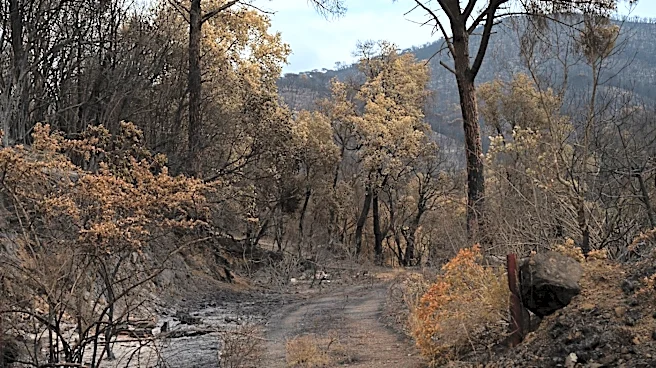
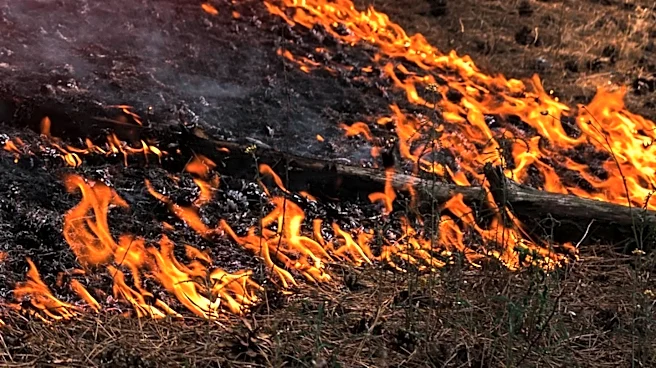
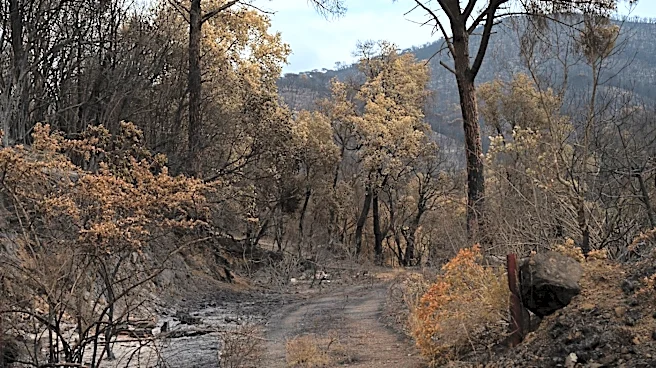
Jared Polis, met to discuss the ongoing climate, fire, and flood conditions. The meeting highlighted the extensive impact of the fires, which have resulted in the loss of lives, homes, and community stability. Currently, Colorado is dealing with 13 large fires and five emerging ones, with new fires sparking regularly. The state has deployed substantial resources, including fire crews, engines, and aircraft, to combat the blazes.
Why It's Important?
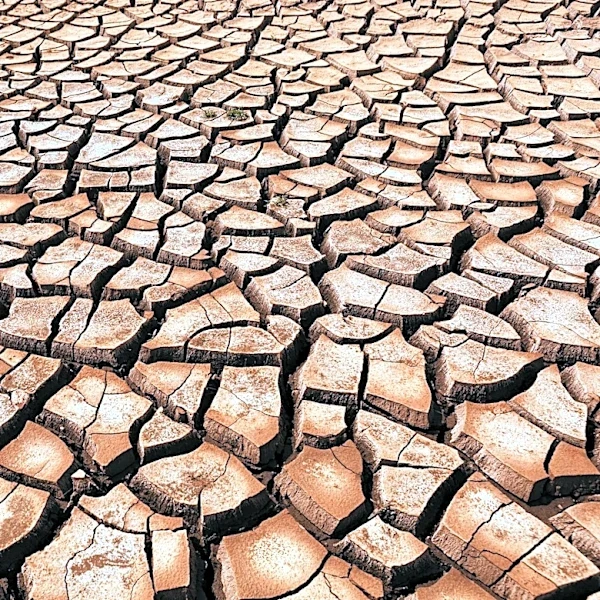
The financial burden of the wildfires comes at a time when Colorado has already made significant budget cuts, highlighting the strain on state resources. The fires not only pose immediate threats to life and property but also have long-term implications for the state's economy and environment. The situation underscores the broader challenges posed by climate change, as warmer and drier conditions contribute to more frequent and severe wildfires. The state's response and recovery efforts will be critical in mitigating these impacts and preparing for future incidents.
What's Next?
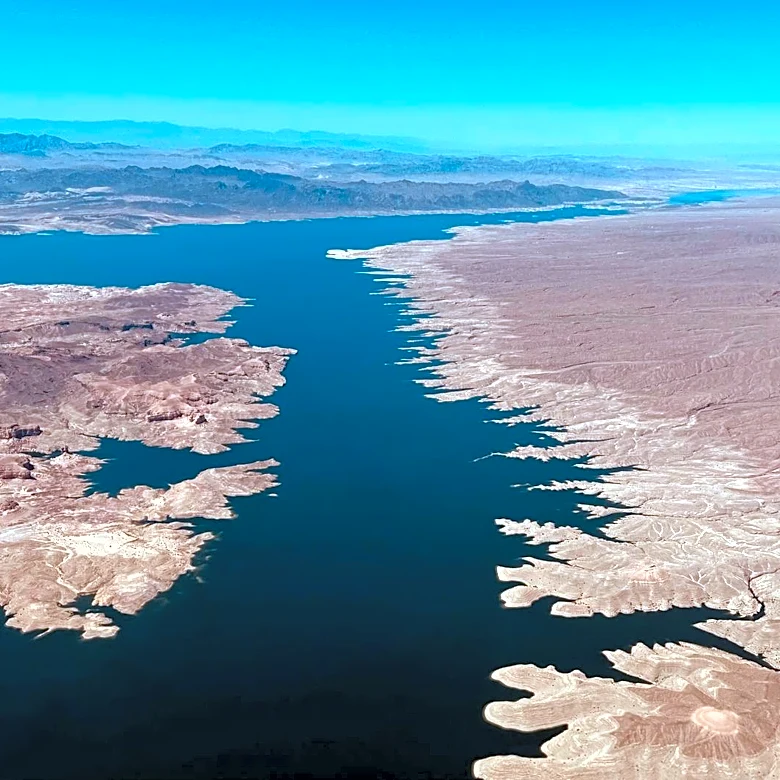
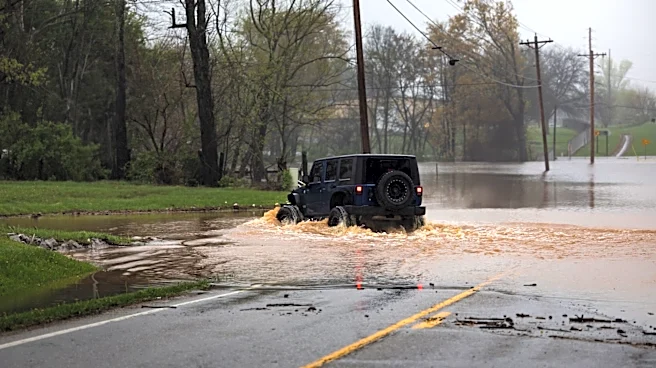
As Colorado continues to battle the fires, the state is also preparing for the peak of flash flood season, which could exacerbate the situation, particularly in areas affected by burn scars. The Drought Task Force is considering recommendations for water-efficiency practices and other measures to address the ongoing challenges. The state will need to balance immediate firefighting efforts with long-term strategies to enhance resilience against climate-related disasters.