




What's Happening?
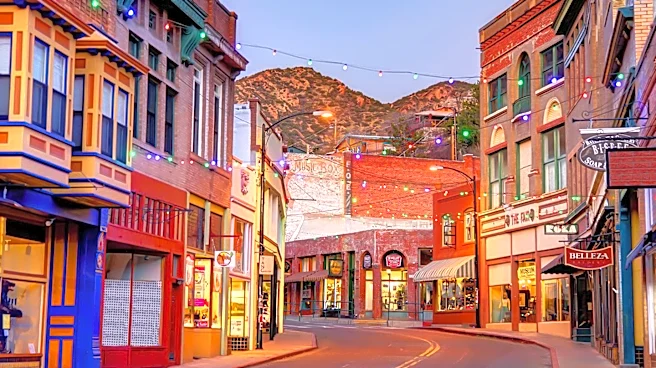
Gary Dillard, born in Cochise County in 1953, has had a multifaceted career primarily focused on journalism and local history, particularly in Bisbee, Arizona. After initially studying nuclear engineering at the University of Arizona, he transitioned
to journalism, having previously served as sports editor for the Bisbee Daily Review in high school. His early career saw him as sports editor of the Sierra Vista Herald and later editor of the Bisbee Review. He was instrumental in merging these papers into a combined daily. In 1980, Dillard joined PAY DIRT, a news magazine covering the Arizona mining industry, where he contributed to expanding its regional editions and co-created a special edition commemorating a century of Phelps Dodge's presence in the copper industry. Following a recession in the mid-1980s, he briefly worked in Phoenix editing a construction magazine before returning to his roots in Bisbee, editing local newspapers and eventually rejoining PAY DIRT. His work also included writing a centennial history of the Bisbee Review, publishing booklets on Bisbee history, and lecturing on the subject.
Why It's Important?
Gary Dillard's career highlights the significant role of local journalism in chronicling community development and industry shifts, particularly in regions heavily reliant on specific sectors like mining. His dedication to covering the Arizona mining industry through PAY DIRT provided crucial insights into its economic impact and historical evolution. The closure of mines in Bisbee during his college years underscores the vulnerability of single-industry towns and the subsequent need for economic diversification and historical preservation. Dillard's involvement in merging local newspapers reflects the challenges and transformations within the print media landscape, even before the widespread impact of the internet. His later focus on Bisbee history, through writing, lecturing, and even television shows, emphasizes the importance of preserving local narratives and understanding their influence on the present. This commitment to local history contributes to community identity and provides valuable context for future development and policy decisions in areas like Cochise County.
What's Next?
Currently, Gary Dillard is dedicating more time to writing Bisbee history, a passion he describes as having 'almost endless potential.' This suggests a continued output of historical content, likely in written form, further enriching the historical record of Bisbee and Cochise County. He is also in the process of launching a website, stampstories.net, which will focus on his hobby of philately and the stories behind postage stamps. This venture indicates a new avenue for his writing and storytelling, leveraging technology to reach a broader audience. His past involvement in community organizations, including the Bisbee City Council, the Bisbee Mining & Historical Museum, and the Arizona Historical Society, suggests that his historical work will continue to be informed by a deep understanding of local governance and cultural preservation. While health issues led to his retirement from guiding tours, his ongoing writing endeavors will ensure his contributions to local history persist.
Beyond the Headlines
Gary Dillard's journey from nuclear engineering to journalism and local history reflects a broader societal trend where individuals pivot careers to align with personal passions and community needs. His experience with the decline of the mining industry in Bisbee and the subsequent impact on the town illustrates the profound socio-economic consequences of industrial shifts, forcing communities to adapt and redefine their identities. The evolution of his journalistic career, from print newspapers to specialized industry magazines and now to online platforms, mirrors the dynamic changes in media consumption and production over several decades. His deep engagement with local history, including serving on various community boards, underscores the intrinsic value of local narratives in fostering civic engagement and collective memory. This commitment to documenting and interpreting the past is crucial for understanding regional development, informing future planning, and maintaining a sense of place in an increasingly globalized world. His personal interest in stamp collecting, which he plans to share online, also highlights how hobbies can evolve into platforms for storytelling and education.