







What's Happening?
Recent developments in the U.S. transportation sector include significant expansions by BendPak, InCharge Energy, and Transit Technologies. BendPak has completed the first phase of its Donald R. Henthorn Industrial Complex in Mobile County, Alabama, a 33-acre
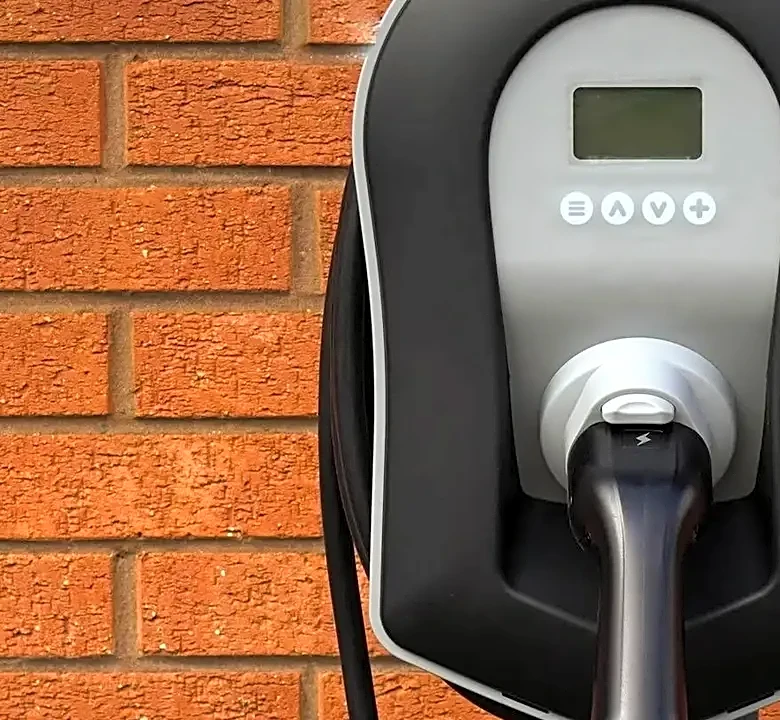
site featuring a 261,600-square-foot logistics and distribution center. This facility aims to enhance product availability and fulfillment speeds for vehicle service equipment, including EV battery lifts and tire changers. InCharge Energy has opened a new sales and service office in Dallas-Fort Worth, establishing a regional hub to support EV charging infrastructure from design to maintenance. This expansion is particularly relevant for school transportation fleets navigating electrification. Transit Technologies, a software provider for transportation, has established its headquarters in Charlotte, reflecting its commitment to growth and operational excellence in public transportation. These moves collectively bolster the infrastructure, service, and technology resources available to U.S. transportation fleets.
Why It's Important?
These expansions are crucial for the U.S. transportation industry, particularly as it moves towards electrification and increased operational efficiency. BendPak's new Alabama complex will improve access to essential vehicle service equipment, which is vital for maintaining diverse fleets, including those transitioning to electric vehicles. This can lead to reduced downtime and increased operational readiness for businesses and public agencies. InCharge Energy's Dallas-Fort Worth hub addresses the growing demand for robust EV charging infrastructure, a critical component for the widespread adoption of electric fleets. This support system will help accelerate the electrification of school buses and other commercial vehicles, contributing to environmental goals and reducing reliance on fossil fuels. Transit Technologies' new headquarters signifies a commitment to leveraging data, automation, and AI to enhance fleet performance, which can lead to more efficient and cost-effective public transportation services across the nation. These investments collectively support job creation, technological advancement, and the modernization of the U.S. transportation landscape.
What's Next?
The completion of BendPak's Donald R. Henthorn Industrial Complex is planned in phases, indicating further expansion and increased capacity in the future. This suggests continued improvements in the supply chain and service capabilities for vehicle maintenance equipment. InCharge Energy's new regional hub in Dallas-Fort Worth is expected to provide faster response times and improved lifecycle support for infrastructure projects in Texas, a state experiencing significant growth in fleet operations and distributed energy investment. This will likely lead to a more robust and reliable EV charging network in the region. Transit Technologies' establishment of its headquarters in Charlotte signals an ongoing commitment to innovation in public transportation software, with potential for further development of AI-driven insights and automation tools. These developments are poised to continue shaping the efficiency, sustainability, and technological integration of U.S. transportation fleets.
Beyond the Headlines
These infrastructure and service expansions highlight a broader trend in the U.S. towards modernizing and electrifying its transportation sector. The focus on regional hubs and advanced technology reflects a strategic effort to decentralize support services and make them more accessible, which is particularly beneficial for geographically diverse operations like school bus fleets. The emphasis on EV infrastructure and battery lifts by companies like BendPak and InCharge Energy underscores the significant shift in the automotive industry towards electric vehicles and the need for specialized equipment and expertise to support this transition. Furthermore, Transit Technologies' use of AI and data-driven insights points to the increasing integration of smart technologies in fleet management, which can lead to not only operational efficiencies but also enhanced safety and environmental performance. These developments are foundational to building a more resilient, sustainable, and technologically advanced transportation ecosystem in the United States.