





What's Happening?
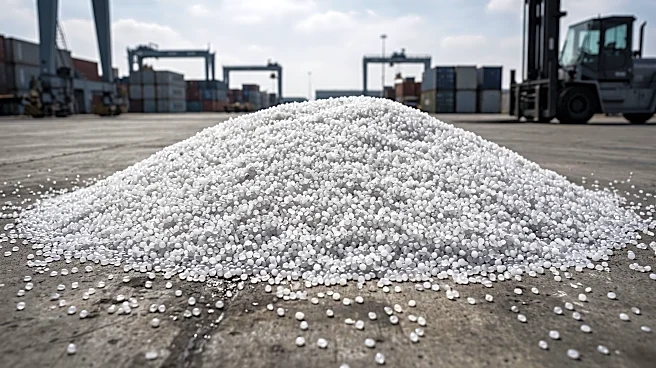
U.S. agricultural practices are increasingly recognizing the economic and environmental advantages of using animal manure as a substitute for synthetic fertilizers. Manufacturing chemical fertilizers is an energy-intensive process heavily reliant on natural
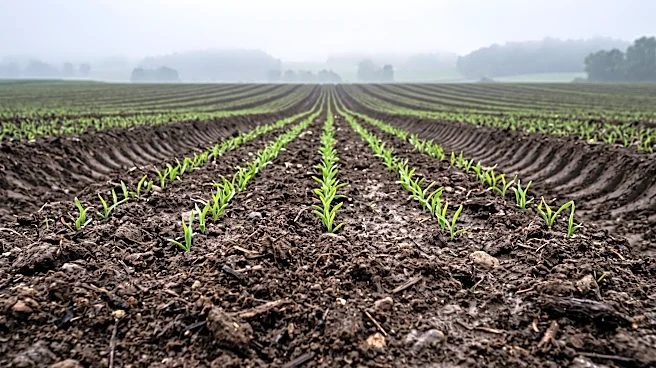
gas. By recycling livestock manure, farms can localize the nutrient loop, significantly reducing input costs and lowering the overall carbon footprint of agricultural production. Manure is not merely a waste byproduct; it is a valuable resource that enhances soil health by enriching its chemical nutrient profile, fortifying its physical structure against erosion, and boosting its biological microbiome. This approach helps address soil degradation, a critical challenge for agriculture facing the dual demands of feeding a growing population and combating environmental issues like nutrient runoff and climate change. Proper management of manure application is crucial to maximize its benefits and prevent environmental hazards.
Why It's Important?
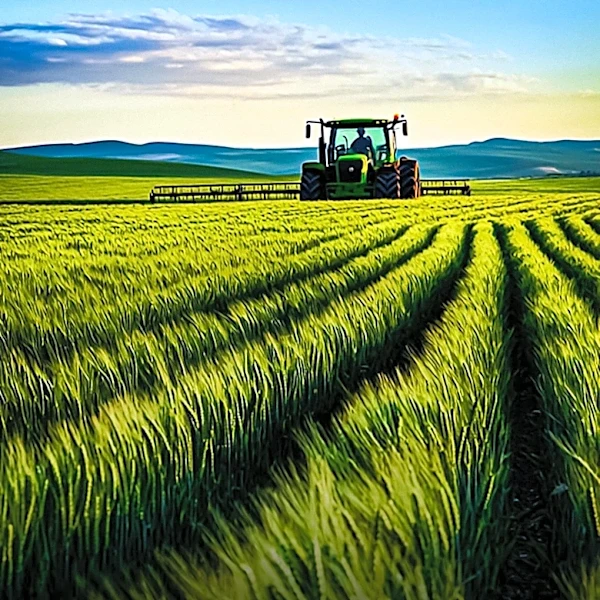
The shift towards utilizing animal manure in U.S. agriculture holds significant importance for both economic and environmental sustainability. Economically, farms can achieve substantial savings by reducing their reliance on costly synthetic fertilizers, which are subject to volatile natural gas prices. This cost reduction can improve the financial viability of agricultural operations. Environmentally, the practice drastically lowers the carbon footprint associated with fertilizer production, contributing to climate change mitigation efforts. Furthermore, manure application improves soil health, leading to better water retention, reduced erosion, and enhanced nutrient cycling, which are vital for long-term agricultural productivity and resilience against drought. This approach also minimizes nitrate leaching into groundwater, protecting water quality. The adoption of such practices can position U.S. agriculture as a leader in sustainable food production, benefiting both farmers and the broader ecosystem.
What's Next?
To fully realize the benefits of animal manure, U.S. land managers must adhere to strict best management practices. This includes implementing the '4R' framework: applying the right source of manure at the right rate, at the right time, and in the right place. Regular soil testing is also imperative to balance nutrient ratios and prevent the over-accumulation of specific elements like phosphorus. In states like Ohio, regulations already exist for liquid manure injection to reduce runoff, with maximum rates specified for different soil conditions. Continued education and support for farmers in adopting these practices will be crucial. Future developments may include further technological advancements in manure application and processing, as well as policy incentives to encourage its widespread and responsible use across the country, potentially turning more farmland into active carbon sinks.
Beyond the Headlines
The embrace of animal manure in agriculture represents a broader philosophical shift towards circular economy principles within the U.S. food system. It challenges the traditional linear model of 'take, make, dispose' by revaluing what was once considered waste into a vital resource. This change has ethical implications, promoting a more holistic view of land stewardship and animal agriculture's role in environmental health. Culturally, it could foster a greater appreciation for natural cycles and reduce the stigma often associated with agricultural byproducts. Legally, it may lead to more stringent regulations on synthetic fertilizer use and increased incentives for organic and regenerative farming practices. This development could also spur innovation in agricultural technology, focusing on efficient manure management and nutrient recovery, ultimately contributing to a more resilient and sustainable agricultural future for the U.S.