




What's Happening?
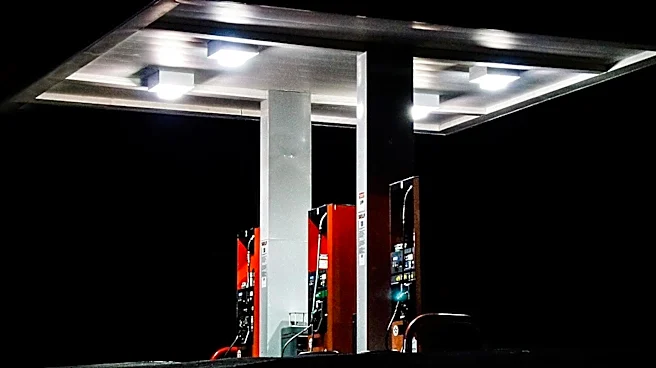
House Republican Conference Chair Rep. Lisa McClain (R-Mich.) has publicly acknowledged that gas prices are not at a desirable level. This statement comes as the ongoing conflict with Iran is contributing to increased fuel costs. Rep. McClain discussed
the steps President Trump is reportedly taking to address these rising prices. The current situation highlights the economic impact of international conflicts on domestic consumer costs, particularly concerning essential commodities like gasoline. The acknowledgment from a prominent Republican figure underscores the widespread concern over the affordability crisis affecting American households.
Why It's Important?
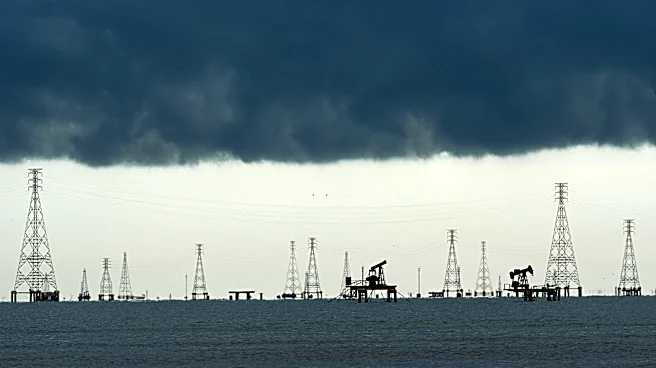
The acknowledgment of high gas prices by a leading House Republican is significant because it indicates a recognition of a major economic concern for American citizens. Elevated fuel costs directly impact household budgets, transportation expenses for businesses, and the overall cost of goods due to increased shipping prices. This situation can lead to reduced consumer spending in other sectors, potentially slowing economic growth. For the Republican party, addressing this issue is crucial, especially in an election year, as high gas prices often become a focal point for voter dissatisfaction. The ongoing Iran war is identified as a key driver of these costs, linking foreign policy and national security directly to domestic economic stability and the daily lives of Americans.
What's Next?
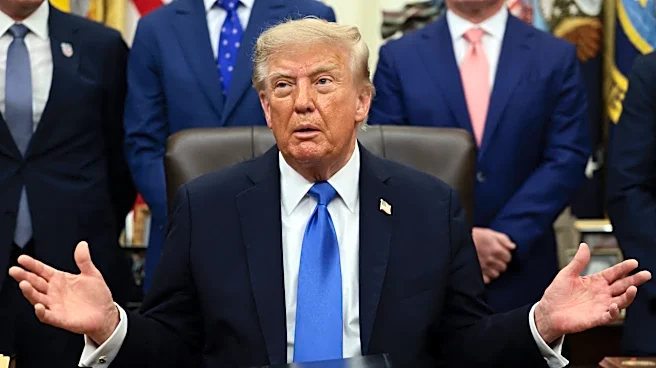
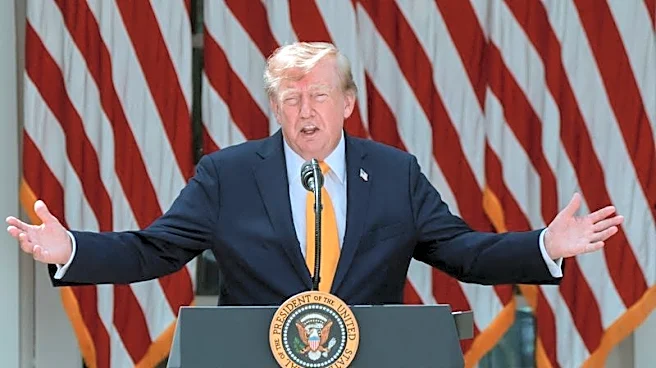
The focus will likely remain on the administration's efforts to mitigate rising gas prices, particularly as the Iran war continues. President Trump's actions to address the cost of fuel will be closely scrutinized by both the public and political opponents. Potential next steps could include diplomatic efforts to de-escalate the conflict, strategic releases from the Strategic Petroleum Reserve, or other policy interventions aimed at stabilizing energy markets. The issue is expected to be a significant talking point in upcoming political debates and campaigns, with both parties likely presenting their solutions and critiques regarding the current economic pressures on consumers.
Beyond the Headlines
The current situation with gas prices and the Iran war highlights the intricate global interconnectedness of energy markets and geopolitical events. Beyond immediate economic impacts, sustained high energy costs can accelerate the push towards alternative energy sources and domestic energy independence, potentially shifting long-term investment and policy priorities. It also underscores the vulnerability of the U.S. economy to international instability, prompting deeper discussions about supply chain resilience and strategic resource management. The political discourse surrounding gas prices often simplifies complex economic and geopolitical factors, but the underlying reality points to a need for comprehensive strategies that address both immediate consumer relief and long-term energy security.