





What's Happening?
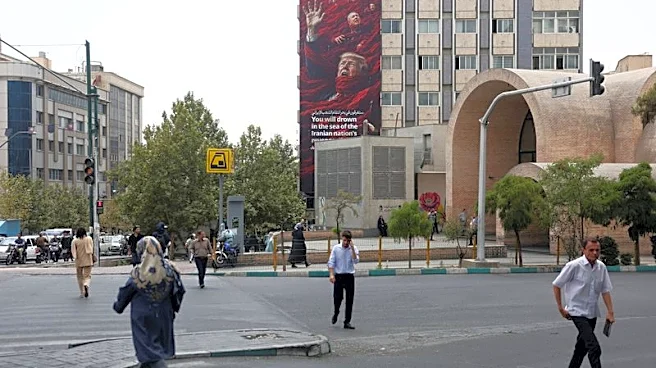
Oil prices experienced a significant drop, with ICE Brent falling over 7%, driven by optimism surrounding potential peace talks between the U.S. and Iran. This decline followed President Trump's decision to call off military strikes against Iran, suggesting
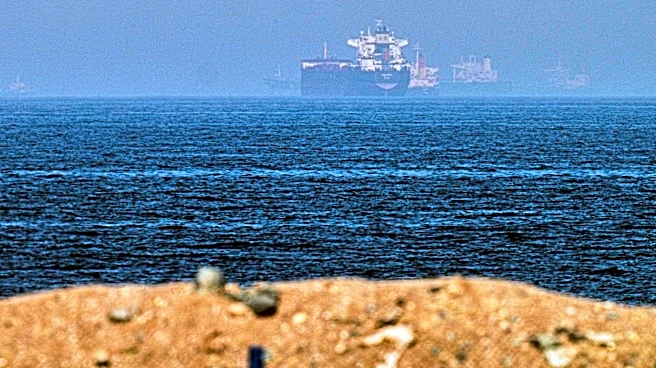
a possible revival of negotiations. However, Iranian officials have denied any ongoing talks, maintaining that current discussions with Oman are limited to shipping routes through the Strait of Hormuz. The market reaction reflects a history of fluctuating tensions and negotiations between the U.S. and Iran, with previous instances of potential deals often unraveling.
Why It's Important?
The sharp decline in oil prices underscores the sensitivity of global energy markets to geopolitical developments, particularly involving major oil-producing regions. The potential for a U.S.-Iran peace deal could stabilize oil markets, impacting global energy prices and economic conditions. However, the uncertainty surrounding the actual status of negotiations highlights the volatility and unpredictability of international relations. The situation also affects European gas markets, with concerns over storage levels and demand dynamics adding to the complexity of the energy landscape.
What's Next?
The future of U.S.-Iran relations remains uncertain, with potential for both diplomatic breakthroughs and renewed tensions. The outcome of these developments will have significant implications for global energy markets, influencing oil and gas prices and supply chains. Stakeholders, including governments and energy companies, will closely monitor the situation, preparing for various scenarios. The broader geopolitical context, including regional conflicts and alliances, will continue to shape the strategic environment in the Middle East and beyond.