





What's Happening?
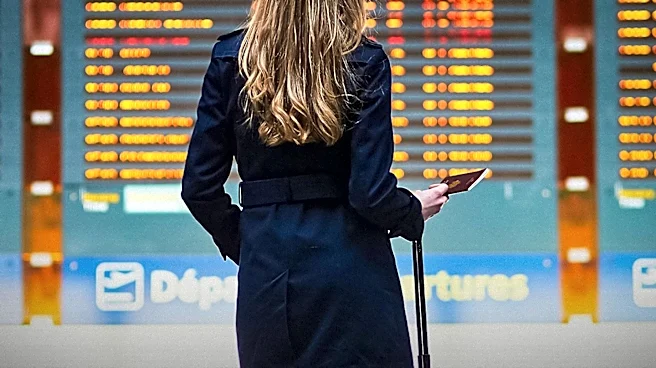
U.S. airlines are under increasing pressure regarding their policies for compensating passengers affected by flight delays and cancellations caused by factors within the airline's control, such as staffing issues or mechanical problems. While Department
of Transportation rules mandate refunds for any canceled flight if the traveler chooses not to fly, compensation for delays varies significantly by airline. For instance, Delta Air Lines commits to providing meals or meal credits for delays exceeding three hours, complimentary hotel stays for controllable overnight delays, and ground transportation. However, these accommodations are not universally standardized across all U.S. carriers, unlike the European Union where regulations entitle travelers to monetary compensation ranging from 250 to 600 Euros for significant delays or cancellations within airline control. Passengers are often left to navigate complex airline policies and advocate for themselves to receive appropriate compensation or rebooking options. The issue highlights a disparity in passenger protection between U.S. and international air travel regulations.
Why It's Important?
The varying compensation policies among U.S. airlines for controllable flight disruptions have significant implications for consumer rights and the travel industry. The lack of standardized federal regulations, similar to those in the EU, means that passengers in the U.S. may receive inconsistent or inadequate support during travel disruptions. This situation can lead to financial burdens for travelers, who might incur unexpected costs for meals, accommodation, and alternative transportation. For airlines, inconsistent policies can impact customer loyalty and public perception, potentially leading to calls for stricter government oversight. The current framework places the onus on the passenger to understand and assert their rights, often against the backdrop of stressful travel situations. This issue also underscores a broader debate about the balance between airline operational flexibility and passenger protection in a highly competitive and often unpredictable industry.
What's Next?
Travelers facing flight disruptions are advised to proactively monitor flight statuses and understand their rights based on the specific airline's policies. In cases of controllable delays or cancellations, passengers should directly engage with gate agents, utilize airline apps, and contact customer service to explore rebooking options and compensation. Keeping all receipts for incurred expenses is crucial for potential reimbursement claims. Organizations like AirHelp offer services to assist travelers in determining their eligibility for compensation and pursuing claims, sometimes for a fee. The ongoing challenges faced by passengers due to inconsistent airline compensation policies may fuel further discussions and potential legislative efforts to standardize passenger rights in the U.S., possibly drawing inspiration from the more stringent regulations seen in the European Union. This could lead to increased transparency and more uniform compensation standards across the U.S. airline industry.
Beyond the Headlines
The disparity in passenger compensation between the U.S. and the EU for controllable flight disruptions points to a deeper philosophical difference in consumer protection. In the U.S., the approach tends to be more market-driven, allowing airlines greater autonomy in setting their terms and conditions, which can result in a patchwork of policies. Conversely, the EU's more prescriptive regulations reflect a stronger emphasis on consumer rights and a belief in standardized protection across the board. This divergence can create a perception among U.S. travelers that their rights are less protected compared to their European counterparts. The issue also touches upon the ethical responsibilities of corporations to their customers, especially when disruptions are within their control. The long-term implications could include a push for a 'Passenger Bill of Rights' in the U.S., potentially leading to a more regulated environment for airlines and a more predictable experience for travelers.