






What's Happening?
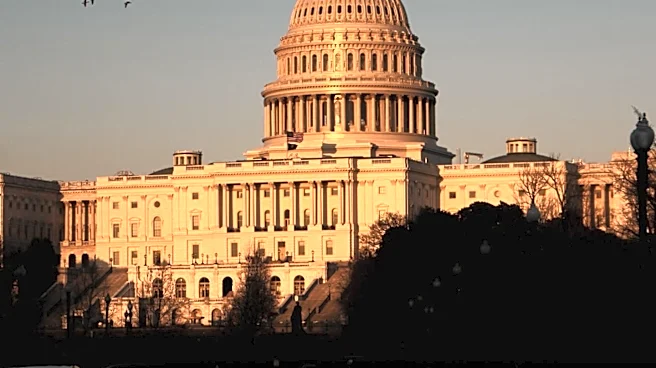
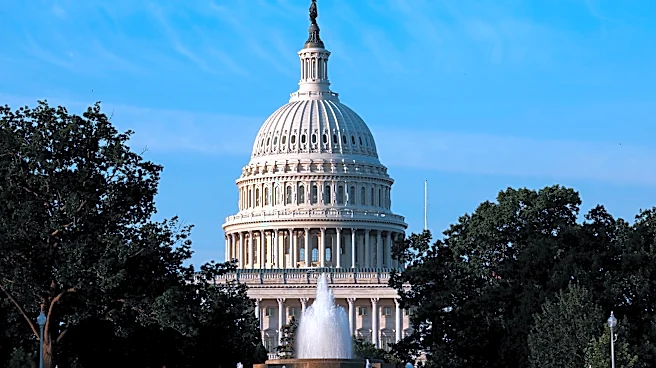
Congressman Michael Cloud has introduced the Permanent CBDC Ban Act, aiming to permanently prohibit the Federal Reserve from issuing a Central Bank Digital Currency (CBDC). The legislation responds to concerns about financial surveillance and government
control, which a CBDC could facilitate. The act seeks to extend the temporary ban set to expire in 2030, making it permanent. The bill has garnered support from several representatives, including Buddy Carter, who emphasized the importance of safeguarding financial privacy. The proposed legislation reflects a broader apprehension about the potential for increased government oversight and control over individual financial transactions.
Why It's Important?
The introduction of this bill underscores significant concerns about privacy and government overreach in financial matters. A CBDC could potentially allow for unprecedented surveillance of financial transactions, raising alarms about individual freedoms and privacy. The bill's support from multiple representatives highlights a bipartisan effort to address these concerns. If passed, the legislation could set a precedent for how digital currencies are managed in the U.S., impacting financial institutions, consumers, and the broader economy.
What's Next?
The bill will likely face debates in Congress, where its implications for financial privacy and government control will be scrutinized. Stakeholders, including financial institutions and privacy advocates, may weigh in on the potential impacts of a CBDC. The outcome of these discussions could influence future legislation on digital currencies and financial privacy.