




What's Happening?
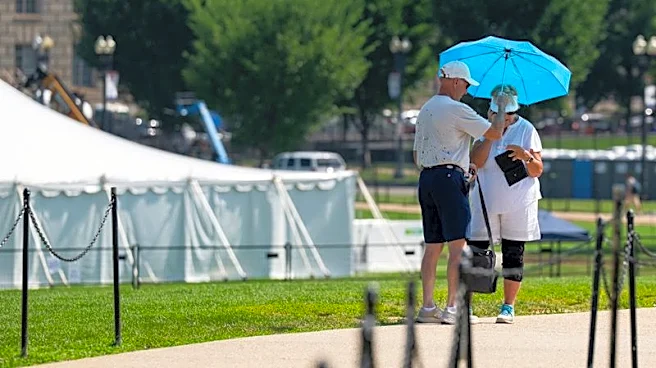
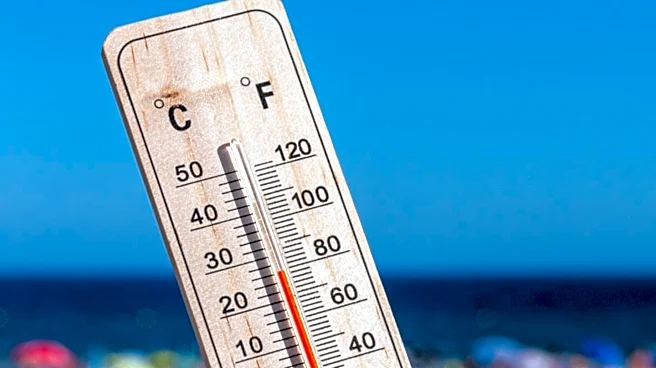
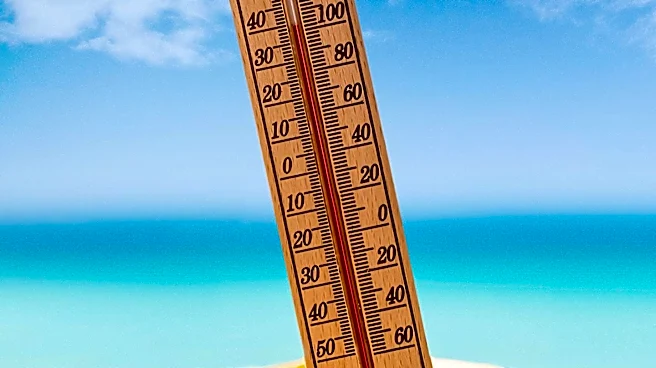
A severe heat wave is affecting the eastern United States, with temperatures reaching the 90s and low 100s from New England to the Southeast. This extreme weather has led to health risks, including a reported death in Pennsylvania due to heat exhaustion.
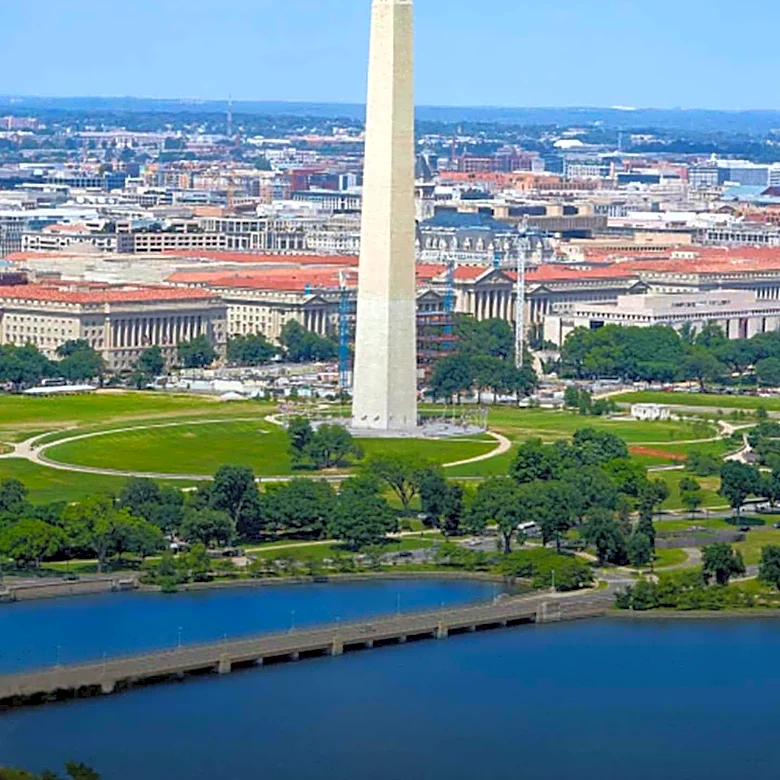
The heat has also caused the cancellation of events, such as the July Fourth parade in Washington, DC, and delayed the opening of President Trump's Great American State Fair. The heat wave has broken numerous temperature records, with New York City's Central Park reaching 100 degrees for the first time since 2012. The heat is expected to ease slightly by Sunday, but high temperatures will persist in parts of the Southeast.
Why It's Important?
The heat wave highlights the increasing frequency and intensity of extreme weather events, which are exacerbated by climate change. These conditions pose significant health risks, particularly for vulnerable populations, and can disrupt public events and infrastructure. The economic impact is also notable, as businesses and public services must adapt to the challenges posed by extreme heat. The situation underscores the need for effective climate policies and public health strategies to mitigate the effects of such weather events.
What's Next?
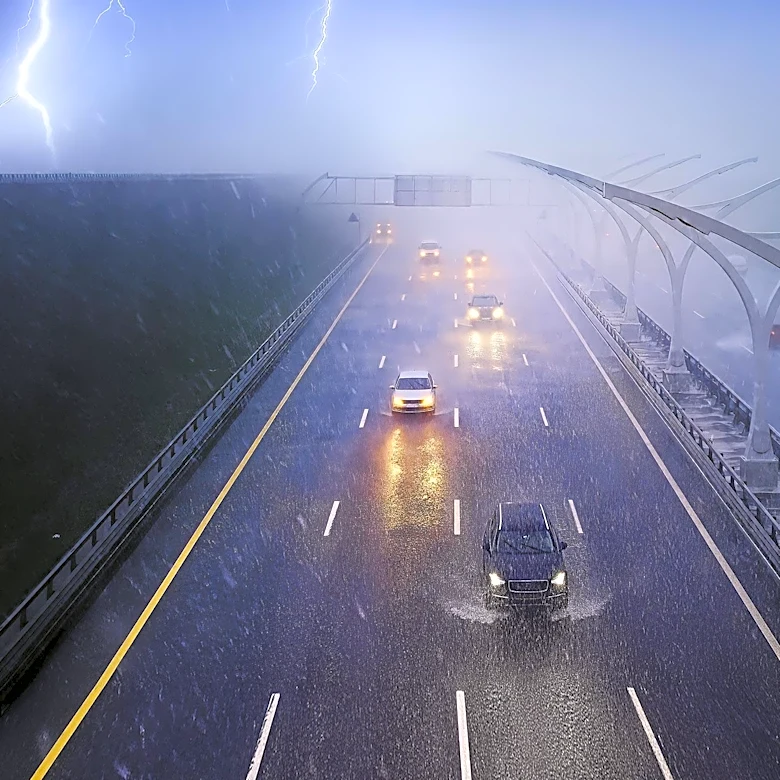
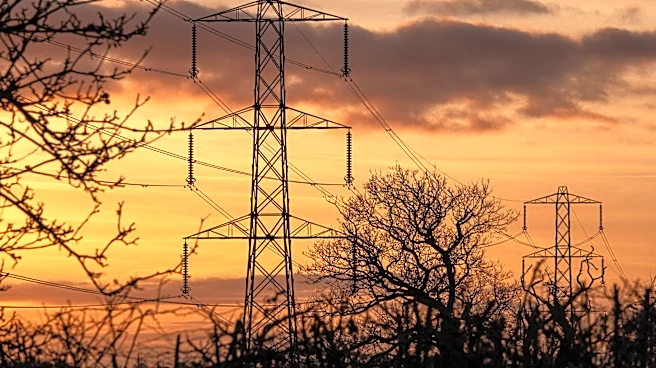
As the heat wave continues, authorities are likely to focus on public safety measures, including providing cooling centers and issuing health advisories. The potential for thunderstorms could further complicate the situation, with risks of power outages and additional disruptions to events. Long-term, there may be increased pressure on policymakers to address climate change and invest in infrastructure that can withstand extreme weather conditions.