








What's Happening?
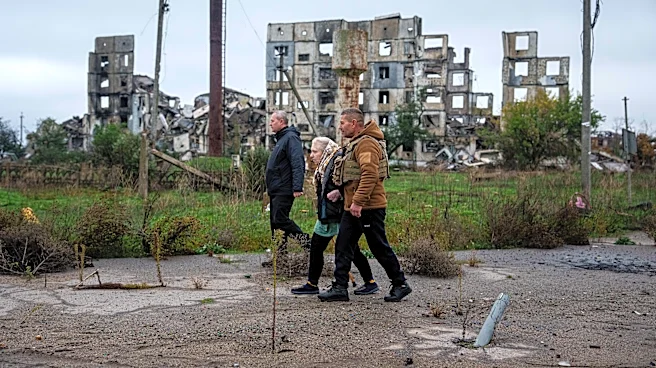
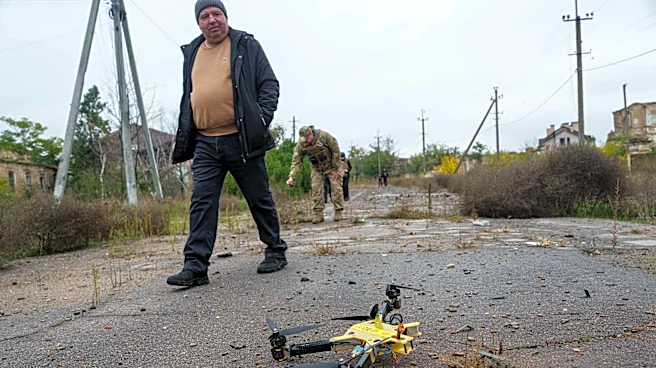
A localized ceasefire in Oleshky, Ukraine, brokered by U.S. First Lady Melania Trump, concluded on November 1. The truce, which began on October 27, facilitated a humanitarian mission to evacuate residents from the besieged city in the Kherson region.
Ukrainian human rights commissioner Dmytro Lubinets confirmed the end of the ceasefire, stating that both Ukrainian and Russian sides honored their commitments during the truce. The White House announced on October 23 that Mrs. Trump had secured this agreement, marking it as the most significant truce between Kyiv and Moscow since the full-scale invasion began. An estimated 2,000 civilians were in Oleshky when the truce took effect, and they were offered options to evacuate to Ukrainian or Russian-controlled territory, or to remain with replenished supplies. The operation successfully evacuated nearly 800 people, delivering critical aid and providing residents with freedom of movement and access to essential resources.
Why It's Important?
This localized ceasefire holds significant importance as it represents a rare instance of direct cooperation between Russia and Ukraine on humanitarian grounds, mediated by a high-profile U.S. figure. The success of the evacuation mission in Oleshky demonstrates that limited, verifiable agreements can be achieved even amidst ongoing conflict, potentially serving as a model for future humanitarian corridors or de-escalation efforts. For the U.S., Mrs. Trump's involvement highlights a unique diplomatic channel outside traditional governmental structures, showcasing a different approach to international mediation. While the ceasefire was limited in scope, its successful execution could influence perceptions of the feasibility of broader agreements, even as skepticism remains regarding Russia's long-term intentions and commitment to peace. The operation also provided a temporary respite for civilians, underscoring the critical need for humanitarian aid in conflict zones.
What's Next?
With the ceasefire officially ended, residents in the Kherson region are bracing for a potential return to intensified hostilities. Ukrainian officials, including Kherson Governor Oleksandr Prokudin, have urged residents to remain vigilant and avoid 'red zones' near the Dnipro River due to the high threat of Russian strikes. While the immediate humanitarian mission in Oleshky has concluded, Ukrainian and Russian human rights commissioners, Dmytro Lubinets and Yana Lantratova, are reportedly exploring further humanitarian initiatives. However, a Ukrainian official indicated that Russia refused an offer to extend the Oleshky ceasefire. The success of this limited truce may prompt discussions about replicating similar small-scale agreements in other conflict hotspots, though the broader geopolitical landscape and ongoing military objectives of both nations will heavily influence any future developments. The international community will likely observe whether this localized success can translate into any momentum for wider de-escalation.
Beyond the Headlines
The Oleshky ceasefire, while a humanitarian success, also carries deeper implications regarding the nature of diplomacy in protracted conflicts. The involvement of a non-traditional diplomatic actor like Melania Trump suggests that informal channels can sometimes achieve what formal negotiations cannot, especially when focused on specific, tangible humanitarian goals. This 'small-scale' approach, as analysts have noted, worked precisely because it was limited and verifiable, contrasting with the systematic failures of broader framework agreements. However, critics suggest that such localized truces could be exploited, potentially serving as a 'humanitarian smokescreen' for continued military operations elsewhere or allowing one side to regroup. The skepticism from some Ukrainian officials, who noted Russia's continued attacks in other regions during the Oleshky truce, highlights the inherent distrust that permeates the conflict, making any broader peace initiatives exceptionally challenging despite isolated successes.