









What's Happening?
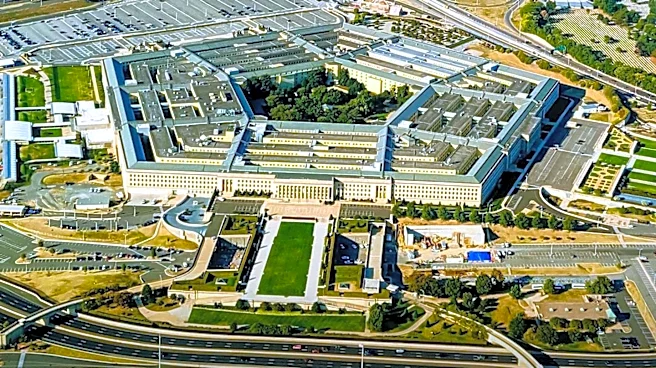
The U.S. Department of Defense's Office of the Director of Operational Test and Evaluation (DOT&E) has experienced significant staff reductions, leading to concerns about the adequacy of weapons testing supervision. According to a report by the U.S. Government
Accountability Office, the civilian staff at DOT&E decreased from 126 to 30 positions in May 2025. This reduction was part of a cost-saving measure initiated by U.S. Secretary of Defense Pete Hegseth, aiming to save $300 million annually. The cuts have resulted in remaining staff being assigned more programs, including those outside their expertise, raising concerns about the potential for weapons to reach troops without proper testing.
Why It's Important?
The reduction in staff at DOT&E could have significant implications for the safety and effectiveness of U.S. military operations. With fewer personnel to oversee weapons testing, there is an increased risk of deploying weapons systems with undocumented shortfalls. This situation could compromise the effectiveness, suitability, survivability, or lethality of these systems, potentially endangering troops. The changes also reflect a broader shift in defense priorities under the current administration, emphasizing rapid deployment of new technologies, which may come at the cost of thorough testing and evaluation.
What's Next?
The ongoing staff shortages at DOT&E may prompt further scrutiny from Congress and defense oversight bodies. There could be calls for restoring funding and personnel to ensure comprehensive testing of military equipment. Additionally, the military may need to explore alternative methods to maintain testing standards, such as increased collaboration with private sector experts or leveraging advanced simulation technologies. The situation may also influence future defense budget allocations and policy decisions regarding military readiness and safety.