

What's Happening?
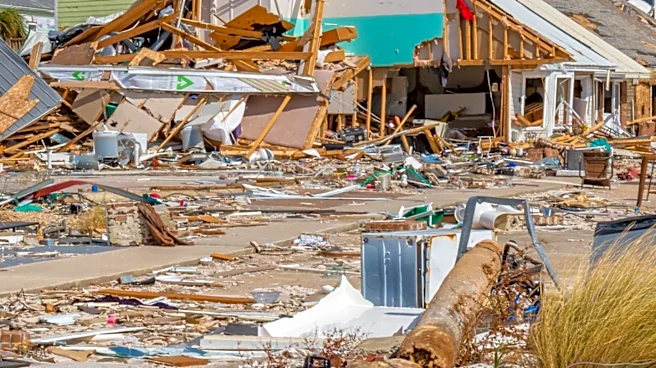
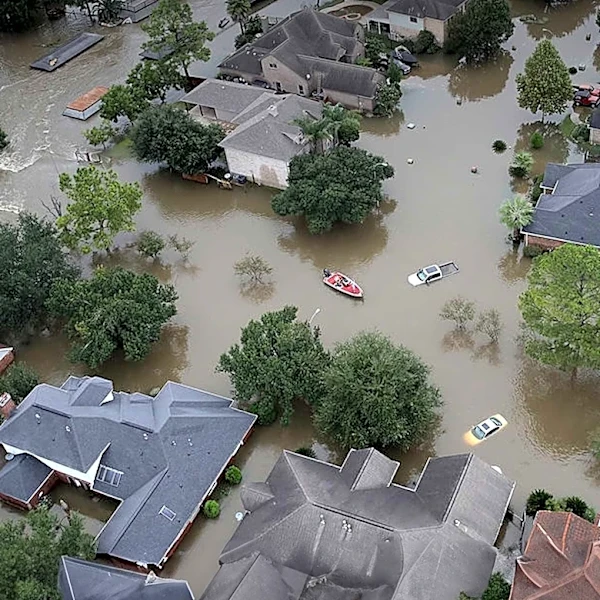
A study conducted by Karen Clark and colleagues at Karen Clark & Co., and highlighted by the Brookings Institution, estimates that updated building codes could substantially reduce property losses from severe hurricanes on the Texas coast. The research
utilized the firm's model to simulate the impact of a hurricane as strong as the 1900 Galveston Hurricane. The core finding is that stronger building codes lead to significant reductions in hurricane-related damages. The study also indicates that the additional costs associated with wind-resistant construction are often minimal compared to the expected reduction in losses, especially in high-risk coastal areas. The authors tested four scenarios, ranging from all homes in coastal counties meeting the most recent building code to only the newest building stock (post-2012) adhering to current codes. A benefit-cost analysis over 30 years, with a 4.25% discount rate, showed that benefits generally outweigh costs, particularly in Galveston, which is more exposed to the Gulf Coast, compared to inland areas like Houston.
Why It's Important?
This study holds significant importance for U.S. coastal communities, particularly those prone to hurricanes, by demonstrating a clear economic incentive for adopting and enforcing modern building codes. The potential for substantial reductions in property losses translates directly into lower insurance costs, fewer disaster relief expenditures, and quicker recovery times for affected regions. For homeowners, it means greater safety and protection of assets. For local and state governments, it offers a pathway to enhance resilience and mitigate the financial burden of natural disasters. The finding that benefits often exceed costs, especially in high-risk zones, provides a strong argument for policymakers to prioritize and invest in stricter building code enforcement and updates. This could lead to a more sustainable approach to coastal development and risk management, protecting both lives and economic stability in vulnerable areas.
What's Next?
The findings of this study are likely to inform discussions among policymakers, urban planners, and insurance companies regarding building code regulations in hurricane-prone regions. The clear benefit-cost ratios presented in the research could encourage states and municipalities along the Gulf Coast and other hurricane-affected areas to review and potentially strengthen their current building codes. There may be increased advocacy for federal and state incentives to encourage homeowners and developers to adopt wind-resistant construction practices. Insurance companies might also adjust their premium structures to reflect the reduced risk associated with code-compliant properties, further incentivizing adherence. The study's methodology could also be replicated in other vulnerable U.S. coastal regions to assess the potential benefits of updated building codes there, leading to a broader national push for disaster-resilient infrastructure.
Beyond the Headlines
Beyond the immediate economic and policy implications, this research touches upon the broader societal challenge of adapting to a changing climate and increasing frequency of extreme weather events. The emphasis on building codes as a proactive measure highlights a shift from reactive disaster response to preventative infrastructure investment. This approach has ethical dimensions, as it involves protecting vulnerable populations and ensuring equitable access to safe housing. The study also implicitly addresses the long-term sustainability of coastal communities, suggesting that without robust building standards, these areas face escalating risks and potential abandonment. Culturally, it could foster a greater public awareness and demand for resilient construction, influencing consumer choices and community planning. Ultimately, the findings contribute to a larger narrative about how the U.S. can build a more resilient future in the face of environmental challenges.