




What's Happening?
Eswatini is actively implementing clean energy solutions to power small businesses and improve livelihoods, with support from the Joint SDG Fund. The initiative, led by the United Nations Resident Coordinator and implemented by the United Nations Development
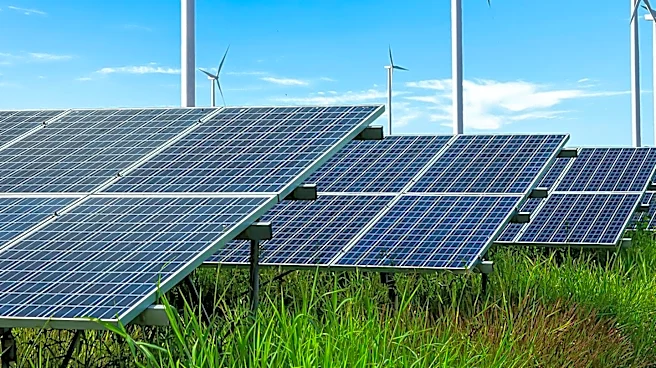
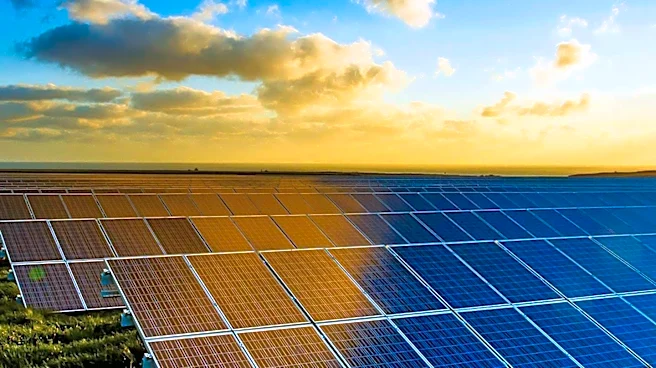
Programme (UNDP) and the World Food Programme (WFP), focuses on expanding access to clean energy and facilitating a just energy transition. Currently, 17 micro, small, and medium enterprises (MSMEs) are receiving renewable energy solutions, including solar photovoltaic systems and solar-powered irrigation. Additionally, WFP is introducing clean energy for lighting, cooking, and irrigation in 12 schools and 11 neighborhood care points, utilizing electric pressure cookers and biogas systems to reduce reliance on firewood.
Why It's Important?
This program is crucial for Eswatini's economic development and environmental sustainability. Many small businesses in the country, particularly in rural areas, face challenges due to high and volatile energy costs, which limit their growth potential. By providing access to affordable and reliable clean energy, the initiative helps reduce operating costs for entrepreneurs, allowing them to invest, expand, and create more livelihoods. For communities, the introduction of clean energy in schools and care points improves living conditions and reduces dependence on traditional, often polluting, energy sources. This effort aligns with global sustainable development goals and offers a model for other developing nations seeking to transition to cleaner energy while fostering economic growth.
What's Next?
The program will continue to support MSMEs and communities in Eswatini by expanding access to renewable energy solutions. The focus will remain on overcoming the upfront investment barriers for small businesses, demonstrating how clean energy can reduce operational costs and foster economic growth. The WFP and UNDP will likely monitor the impact of these interventions on livelihoods, business expansion, and environmental benefits. The success of this pilot program could lead to its replication or scaling up in other regions of Eswatini or similar developing countries, further promoting clean energy adoption and sustainable development practices.
Beyond the Headlines
This initiative in Eswatini highlights the multifaceted benefits of clean energy beyond just environmental protection. It demonstrates how access to reliable and affordable power can be a direct catalyst for economic empowerment, particularly for vulnerable populations and small-scale entrepreneurs. The integration of clean energy into community services like schools and care points also underscores its potential to improve public health, education, and overall quality of life. This approach challenges the traditional view of energy development as solely a large-scale infrastructure project, showcasing the power of decentralized, community-focused solutions in achieving sustainable development goals and fostering resilience against economic and climate shocks.