



What's Happening?
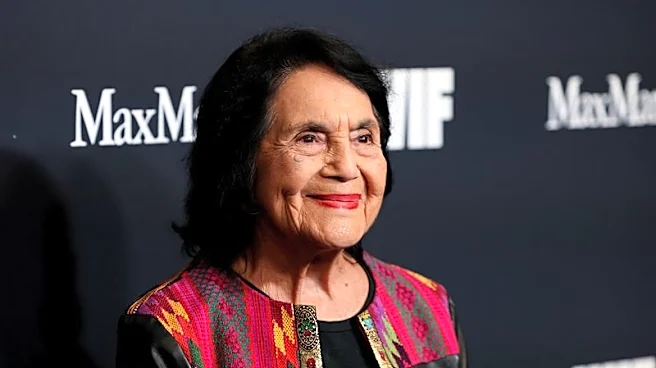
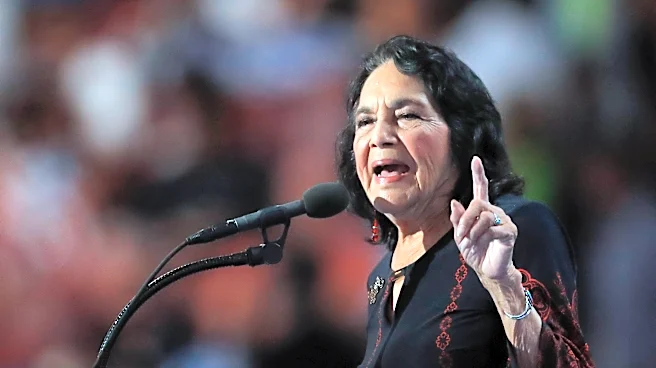
U.S. Representative Gabe Vasquez, alongside other New Mexico leaders, has paid tribute to Dolores Huerta, the New Mexico-born labor icon who passed away at the age of 96. Huerta was a co-founder of the farmworkers union that later became the United Farm
Workers, working alongside Cesar Chavez. Her enduring legacy is often associated with the phrase 'Sí, se puede.' Representative Vasquez specifically highlighted Huerta's role in giving a voice to individuals who were often marginalized and denied representation. Other New Mexico political figures, including Governor Michelle Lujan Grisham, U.S. Senators Martin Heinrich and Ben Ray Luján, and U.S. Representatives Teresa Leger Fernández and Melanie Stansbury, also shared their condolences and recognized Huerta's significant contributions to labor rights and social justice. Huerta was born in Dawson, New Mexico, in 1930 and later moved to California, where her activism began after witnessing the struggles of farmworkers' children.
Why It's Important?
The passing of Dolores Huerta and the tributes from U.S. Representative Gabe Vasquez and other political leaders underscore the profound and lasting impact of her work on American labor movements and social justice. Huerta's efforts in co-founding the United Farm Workers were instrumental in advocating for the rights and improved conditions of farmworkers, a demographic often overlooked in national discourse. Her legacy, encapsulated by 'Sí, se puede,' continues to inspire activism and advocacy for marginalized communities across the United States. The recognition from current U.S. representatives and senators highlights the bipartisan respect for her contributions and the enduring relevance of her fight for equitable treatment and representation. This event serves as a reminder of the historical struggles for workers' rights and the ongoing importance of such advocacy in shaping U.S. labor policies and societal values.
What's Next?
While the immediate focus is on honoring Dolores Huerta's life and legacy, her passing may prompt renewed discussions and initiatives related to labor rights, social justice, and the recognition of historical figures in these movements. Her family has indicated that plans to celebrate her life and legacy will be shared, which could include public memorials or educational programs. The ongoing push to rename places bearing Cesar Chavez's name, following allegations made by Huerta, may also gain further momentum. This situation could lead to increased public awareness and debate regarding the complexities of historical legacies and the importance of acknowledging the contributions of all individuals involved in social movements. Political leaders and civil society groups may use this moment to reflect on and reinforce commitments to the principles Huerta championed.
Beyond the Headlines
Dolores Huerta's life and the reactions to her passing, particularly from figures like U.S. Representative Gabe Vasquez, reveal deeper implications concerning the narrative of social justice movements in the U.S. Her legacy extends beyond labor rights to encompass broader themes of civil rights, gender equality, and the empowerment of underrepresented communities. The recent allegations against Cesar Chavez, brought forward by Huerta, introduce a complex ethical dimension to the historical narrative of the farmworker movement, prompting a re-evaluation of how historical figures are remembered and honored. This event could trigger broader conversations about accountability within social movements and the importance of a nuanced understanding of history. It also highlights the cultural significance of figures like Huerta, whose influence continues to resonate in contemporary American society, shaping discussions on equity and representation.