






What's Happening?
Christian Castro, a 52-year-old Immigration and Customs Enforcement (ICE) agent, has been charged by the Justice Department with allegedly making false statements to investigators regarding a shooting incident in Minneapolis. The federal charges stem
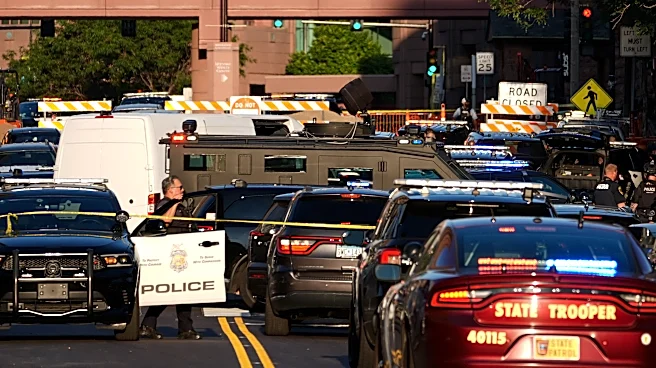
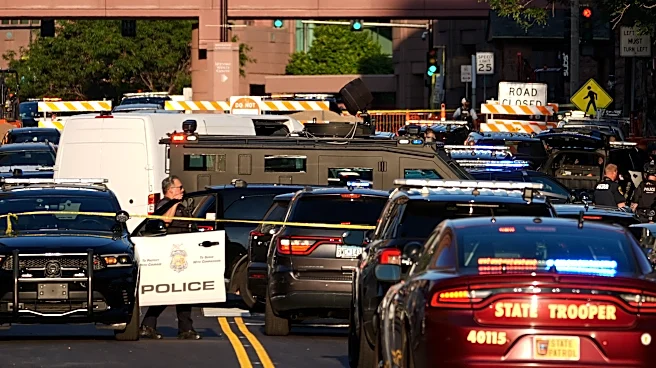
from an event on January 14, where Castro fired shots at the front door of a Minneapolis home, injuring Venezuelan immigrant Julio Sosa-Celis in the leg. Castro initially claimed that Sosa-Celis and another individual attacked him, leading to Sosa-Celis being charged by the U.S. Attorney's Office in Minnesota. However, video evidence later surfaced, contradicting Castro's account, and the case against Sosa-Celis was subsequently dropped. Castro had previously faced state charges in Hennepin County, Minnesota, for second-degree assault and falsely reporting a crime, leading to an extradition dispute between Minnesota and Texas, where he was arrested. He was released from jail last month due to a legal detention limit amidst the dispute. Sources indicate that Castro self-surrendered after being federally charged and is expected to appear before a federal judge in Texas.
Why It's Important?
This case highlights significant issues regarding accountability within federal law enforcement agencies and the potential for abuse of power during immigration enforcement operations. The alleged false statements by an ICE agent, which led to an innocent individual being charged, underscore concerns about the integrity of investigations and the protection of civil liberties. The dispute between Minnesota and Texas over Castro's extradition also reveals jurisdictional complexities and potential friction between state and federal authorities in handling cases involving federal agents. Furthermore, the incident occurred amidst a broader immigration crackdown, raising questions about the methods and oversight of such operations. The federal charges against Castro, following the dismissal of charges against Sosa-Celis due to video evidence, emphasize the critical role of transparency and evidence in ensuring justice and preventing miscarriages of justice, particularly in sensitive areas like immigration enforcement.
What's Next?
Christian Castro is expected to make his initial appearance before a federal judge in Texas. He has not yet entered a plea to either the state or federal charges. The federal investigation into Castro is ongoing, and sources indicate that a determination has yet to be made regarding potential additional charges, including a more significant civil rights offense. A career prosecutor involved in the probe was reportedly fired after claiming he was stymied by senior Justice Department officials in pursuing civil rights charges against Castro, though DOJ officials dispute this characterization and state the civil rights probe is still active. The outcome of this case could influence future policies regarding the conduct of federal agents, the handling of evidence in immigration-related incidents, and the level of transparency expected from law enforcement agencies. It may also reignite debates about the balance of power between state and federal jurisdictions in prosecuting federal officers.
Beyond the Headlines
The incident and subsequent charges against ICE agent Christian Castro delve into deeper implications concerning public trust in law enforcement and the ethical responsibilities of federal agents. The alleged fabrication of events by an officer, particularly one involved in sensitive immigration enforcement, can erode public confidence in the justice system and fuel narratives of systemic misconduct. The reported internal conflict within the Justice Department regarding the pursuit of civil rights charges against Castro also raises questions about internal accountability mechanisms and the potential for political influence in prosecutorial decisions. This case could serve as a critical test for how federal agencies address allegations of misconduct within their ranks, potentially leading to reforms in training, oversight, and the use of force protocols. Moreover, it underscores the vulnerability of individuals, particularly immigrants, to potential abuses of authority and the vital role of independent investigations and media scrutiny in uncovering and addressing such issues.