









What's Happening?
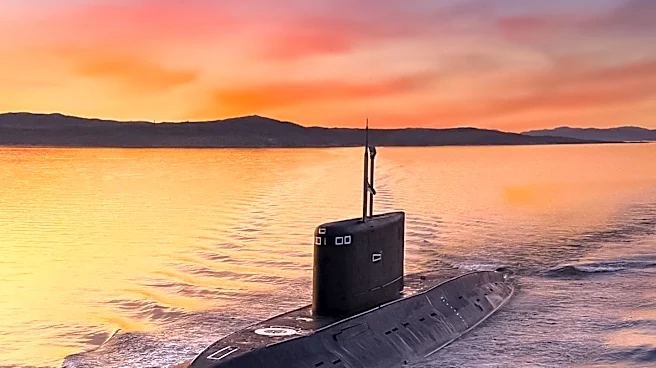
China conducted a rare test of a submarine-launched ballistic missile in the Pacific Ocean, leading to criticism from New Zealand and Australia. The missile, launched from a People's Liberation Army Navy submarine, carried a dummy warhead and landed within
designated waters. The test was part of China's annual military training and was conducted in accordance with international law, according to Chinese officials. However, the test has been deemed 'unwelcome and concerning' by New Zealand's Foreign Minister Winston Peters, as it took place in the South Pacific Nuclear Free Zone. Australia also expressed concerns about the test's destabilizing effect on regional peace.
Why It's Important?
The missile test highlights China's growing military capabilities and its impact on regional security dynamics. The test has raised concerns among Pacific nations about China's intentions and its commitment to regional stability. The use of the South Pacific as a testing site for missile capabilities is particularly troubling for countries that have long advocated for a nuclear-free zone. The test also reflects China's broader military ambitions and its efforts to enhance its nuclear deterrence capabilities. The reactions from New Zealand and Australia underscore the geopolitical tensions in the region and the need for diplomatic engagement to address security concerns.
What's Next?
The test is likely to lead to increased diplomatic efforts among Pacific nations to address the security concerns raised by China's military activities. Countries in the region may seek to engage with China to ensure transparency and adherence to international agreements. The test could also influence regional defense strategies, with countries potentially enhancing their military readiness in response to perceived threats. Additionally, the test may impact China's relations with other major powers, such as the United States, as they monitor China's military developments and their implications for global security.