



What's Happening?
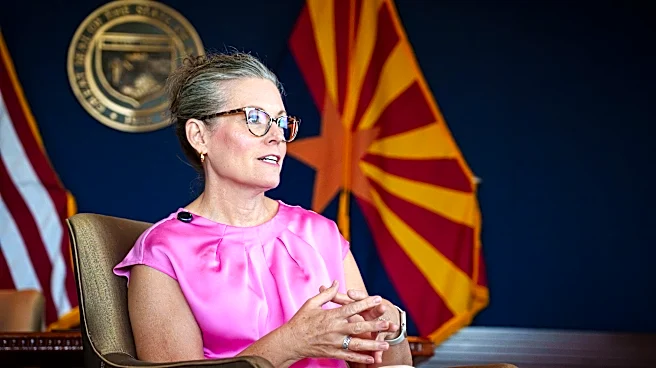
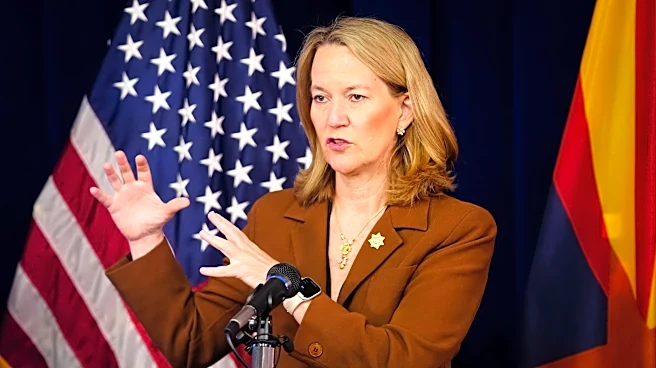
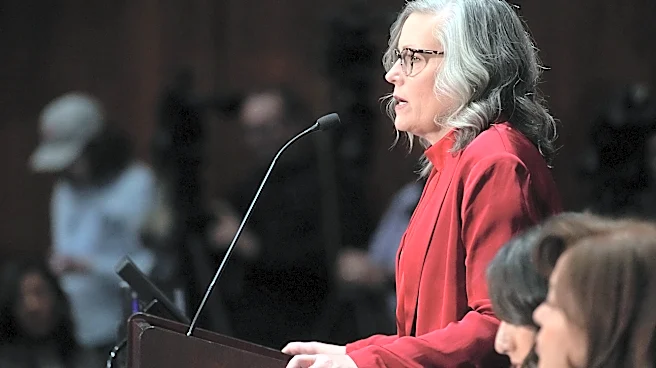
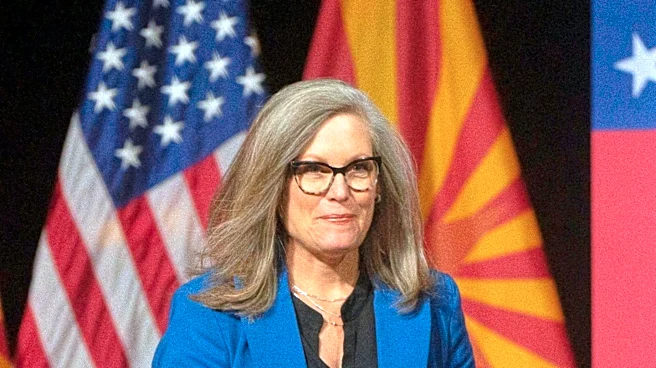
Arizona Attorney General Kris Mayes has announced that state prosecutors will not file criminal charges against Governor Katie Hobbs regarding allegations of a pay-to-play scheme. The accusations stemmed from claims that Governor Hobbs provided preferential
treatment to Sunshine Residential Homes, a group home company, after it contributed $100,000 to her inaugural celebration and additional funds to the Arizona Democratic Party. The Arizona Republic initially reported that Sunshine Residential Homes and one other company received a 30% payment increase during the 2022-2023 contracting period. Governor Hobbs has denied any wrongdoing, stating she was not involved in the decision to grant the rate increase. Attorney General Mayes, a Democrat like Governor Hobbs, stated that the investigation did not uncover evidence of the necessary quid pro quo to support a bribery charge. However, Mayes noted that the investigation highlighted a need for legislative reform concerning the transparency of political donations from state contractors. A separate investigation by Republican Maricopa County Attorney Rachel Mitchell and the state auditor general is ongoing.
Why It's Important?
This decision by the Arizona Attorney General is significant for Arizona's political landscape, particularly as Governor Hobbs seeks a second term. The allegations have been a 'political millstone' for her administration, with her Republican opponent, U.S. Rep. Andy Biggs, using the investigation in campaign advertisements. While criminal charges have been declined, the ongoing separate investigation by the Maricopa County Attorney and the state auditor general means the issue is not fully resolved. The Attorney General's call for legislative reform regarding political donations from state contractors underscores a broader concern about transparency and potential undue influence in government contracts. This situation could influence public perception of political ethics and campaign finance regulations in Arizona, potentially leading to increased scrutiny of how state contracts are awarded and how political campaigns are funded. The outcome of the remaining investigations and any subsequent legislative actions will be crucial for restoring public trust and shaping future political conduct in the state.
What's Next?
The ongoing investigation by Republican Maricopa County Attorney Rachel Mitchell and the state auditor general will continue, and its findings could still impact Governor Hobbs' political standing. The timeline for the completion of this separate investigation remains unclear. Attorney General Mayes has urged Governor Hobbs and the GOP-controlled Legislature to adopt improvements in legislative reform regarding the transparency of political donations made by state contractors. This call for reform could lead to new legislative proposals aimed at increasing accountability and preventing similar allegations in the future. Political reactions from both sides are expected, with Governor Hobbs' supporters likely to view the Attorney General's decision as vindication, while her opponents may continue to press for further scrutiny based on the ongoing investigations and the need for reform. The issue is likely to remain a talking point in the upcoming midterm election campaigns, influencing voter sentiment and potentially shaping the legislative agenda in Arizona.
Beyond the Headlines
The case highlights the complex interplay between political donations, government contracts, and public trust. While no criminal charges were filed, the Attorney General's statement about the need for legislative reform points to a systemic vulnerability in how political contributions from state contractors are regulated. This situation raises ethical questions about the appearance of impropriety, even in the absence of criminal intent, and the potential for such donations to create an uneven playing field for businesses seeking state contracts. The incident could catalyze a broader discussion on campaign finance ethics and government transparency, not just in Arizona but potentially across other states facing similar challenges. It also underscores the power of investigative journalism, as the Arizona Republic's reporting brought these allegations to light, prompting official investigations. The long-term implications could include a push for stricter disclosure laws, independent oversight mechanisms for state contracts, and a re-evaluation of the ethical guidelines governing interactions between elected officials and entities doing business with the state.