


What's Happening?
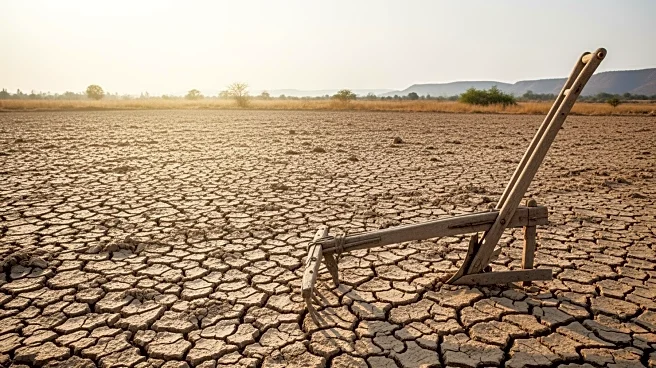
The Eco Iraq Observatory reports that only 46% of Iraq's arable land is currently under cultivation, with 13 million out of 28 million dunams being used for agriculture. The decline in agricultural activity is attributed to factors such as water scarcity,
low rainfall, drought, climate change, and inadequate government support. These challenges have hindered farmers' ability to maintain production and expand cultivated areas. The observatory warns that neglecting the agricultural sector could exacerbate food insecurity and increase reliance on imports, especially as climate pressures intensify.
Why It's Important?
The underutilization of Iraq's agricultural potential poses significant risks to food security and economic stability. As climate change continues to impact water availability and agricultural productivity, Iraq faces the challenge of ensuring sustainable food production. The situation calls for urgent reforms in water management and agricultural practices to enhance resilience and reduce dependency on imports. Addressing these issues is crucial for stabilizing rural communities and supporting Iraq's economic development.
What's Next?
The Eco Iraq Observatory recommends a national strategy to manage water resources and revitalize agriculture. This includes modernizing irrigation systems, adopting advanced farming technologies, and investing in rural development. Implementing these measures could help Iraq maximize its agricultural potential and improve food security. The success of these initiatives will depend on coordinated efforts between the government, local communities, and international partners.