





What's Happening?
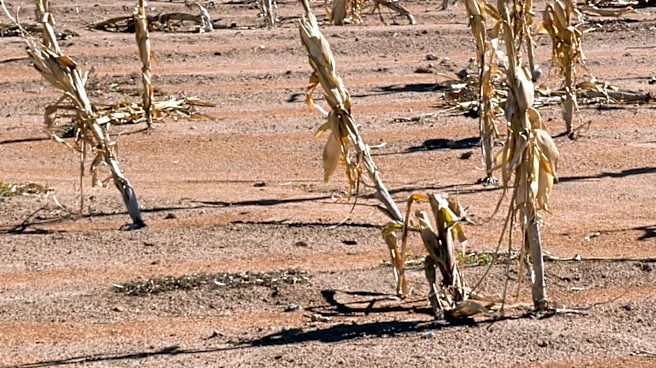
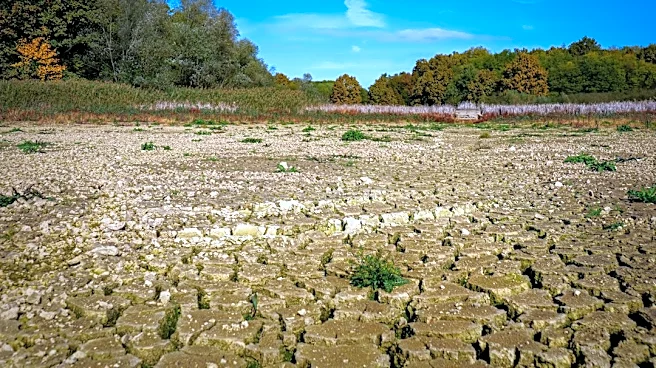
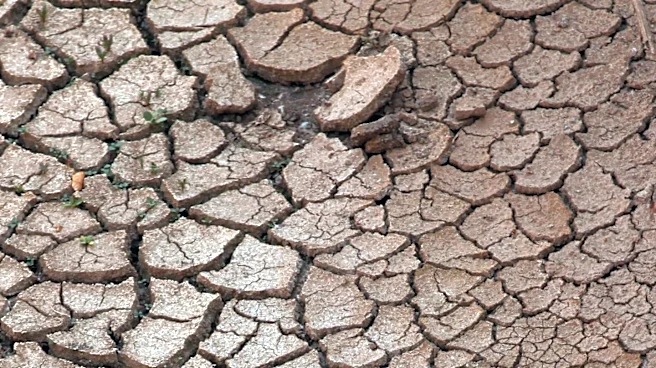
Moderate drought conditions have significantly expanded across Vermont, now affecting nearly a third of the state. According to the latest U.S. Drought Monitor report, 32% of Vermont is experiencing moderate drought, a substantial increase from 14% just
one week prior. This expansion follows a period of below-normal rainfall throughout much of the region. Over the past 90 days, parts of Vermont have received only 50% to 75% of their typical rainfall amounts, although some northern areas have experienced closer to normal precipitation levels. Neighboring New Hampshire has also seen an increase in moderate drought, growing from 33% to 40% over the same one-week period. Drought conditions in Vermont have fluctuated over the past year, with this recent expansion occurring after a period of improvement during the summer months.
Why It's Important?
The expansion of moderate drought conditions across nearly a third of Vermont carries significant implications for the state's agriculture, natural resources, and economy. Reduced rainfall can lead to decreased crop yields, impacting local farmers and potentially increasing food prices for consumers. Water supplies for both human consumption and livestock may become strained, necessitating conservation measures. The increased dryness also elevates the risk of wildfires, posing a threat to forests, property, and public safety. Ecosystems can suffer, with stress on vegetation and wildlife. For industries reliant on water, such as tourism (e.g., water-based recreation) and certain manufacturing processes, drought can lead to operational challenges and economic losses. The situation in Vermont mirrors broader climate trends and highlights the vulnerability of regional environments to changing weather patterns, underscoring the need for robust water management strategies and climate resilience planning.
What's Next?
If below-normal rainfall persists, Vermont could see further intensification and expansion of drought conditions, potentially leading to more severe impacts. Farmers may face continued challenges with irrigation and crop health, possibly requiring state or federal assistance. Water conservation advisories or restrictions could be implemented for residents and businesses to manage dwindling supplies. State agencies will likely continue to monitor the situation closely, providing updates and guidance to affected communities. The increased risk of wildfires will necessitate heightened vigilance from fire departments and public awareness campaigns regarding fire prevention. Long-term, the recurring nature of drought conditions may prompt greater investment in water infrastructure, drought-resistant agricultural practices, and broader climate adaptation strategies to mitigate future impacts. The situation will require ongoing collaboration between state officials, agricultural communities, and environmental organizations.
Beyond the Headlines
The expanding drought in Vermont underscores the broader challenges of climate change and its localized impacts across the United States. While immediate concerns focus on agriculture and water supply, persistent drought can lead to long-term ecological shifts, altering local biodiversity and natural landscapes. Economically, repeated drought events can strain rural economies, potentially leading to financial hardship for farming communities and related businesses. Socially, water scarcity can create tensions and necessitate difficult decisions regarding resource allocation. This situation also highlights the interconnectedness of regional weather patterns, as evidenced by similar conditions in New Hampshire. It serves as a tangible reminder of the need for comprehensive climate policies, sustainable land use practices, and community-level preparedness to build resilience against increasingly frequent and severe weather events. The drought could also spur innovation in water management technologies and agricultural techniques designed for water efficiency.