







What's Happening?
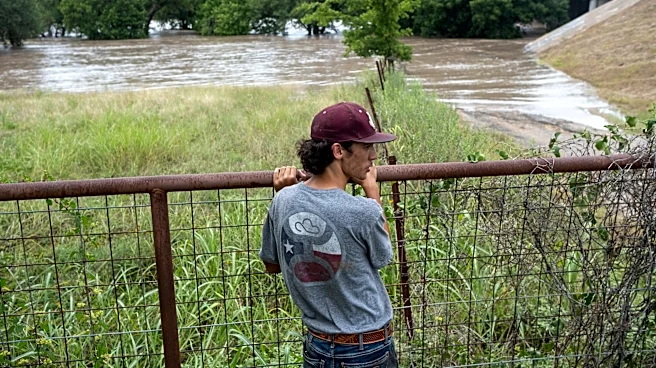
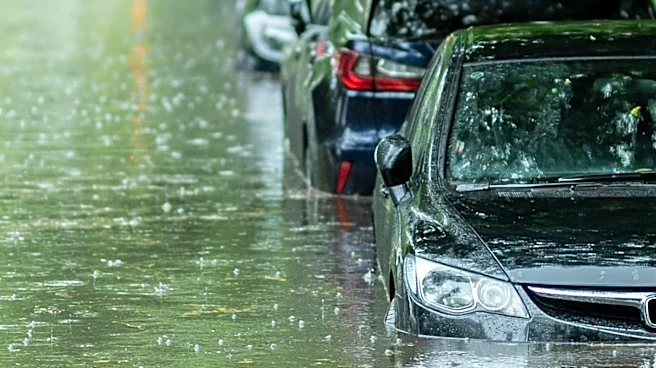
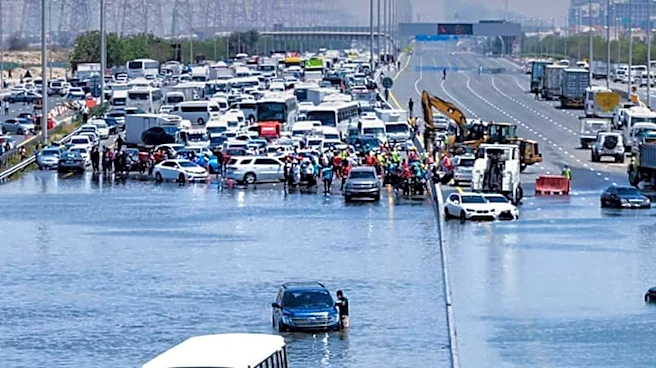
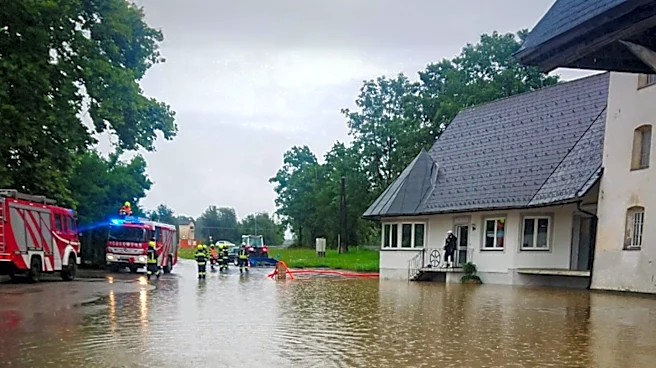
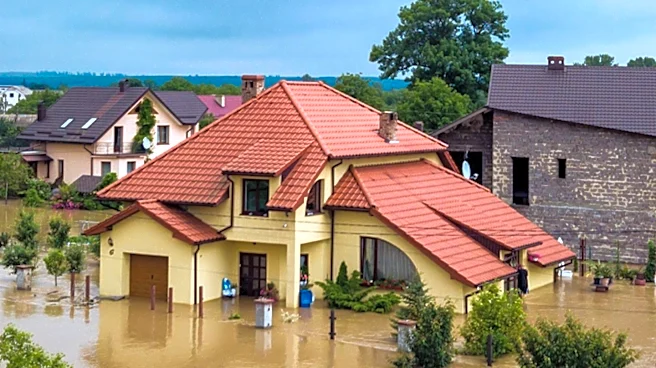
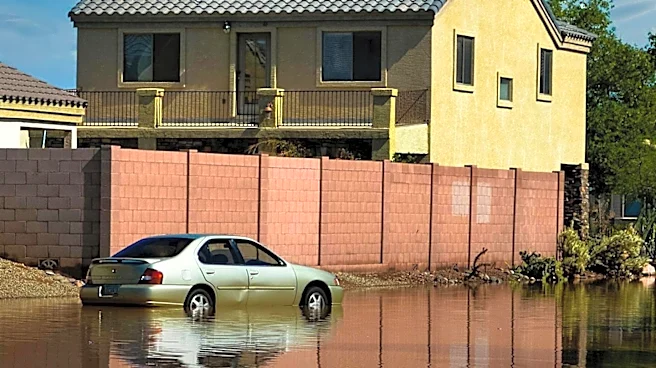
Catastrophic flash floods in Texas have resulted in the deaths of two individuals and necessitated hundreds of rescues in areas still recovering from last year's devastating floods. Governor Greg Abbott reported that more than 200 people have been rescued
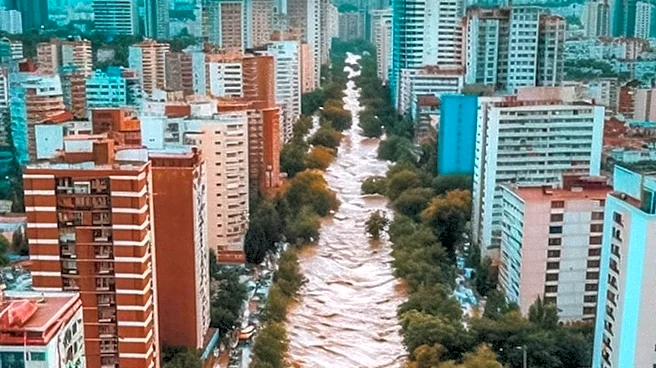
by boats and helicopters, with the hardest-hit areas expecting more rain. The National Weather Service issued urgent warnings as rivers rose rapidly, with some spots of the Guadalupe River rising by over 30 feet. The floods, reminiscent of last year's disaster that claimed over 100 lives, have prompted mandatory evacuations and the deployment of over 2,000 first responders. The floods have particularly affected Uvalde County, which received up to 28 inches of rain over three days.
Why It's Important?
The recurrence of severe flooding in Texas highlights the ongoing vulnerability of the region to extreme weather events. The floods have significant implications for public safety, infrastructure, and emergency response systems. The state's preparedness and response efforts are under scrutiny, especially given the criticism faced by local leaders for their handling of last year's floods. The situation underscores the need for improved flood management strategies and infrastructure resilience to mitigate the impact of such natural disasters. The economic and social costs of repeated flooding events are substantial, affecting communities, businesses, and the state's overall recovery efforts.
What's Next?
As the region braces for more rain, continued vigilance and preparedness are crucial to prevent further loss of life and property. Authorities are likely to focus on enhancing early warning systems and evacuation protocols to better protect residents. The floods may prompt discussions on long-term solutions, such as infrastructure improvements and land use planning, to reduce flood risks. The state's response and recovery efforts will be closely monitored, with potential implications for future policy and funding decisions related to disaster management and climate resilience.