
What's Happening?
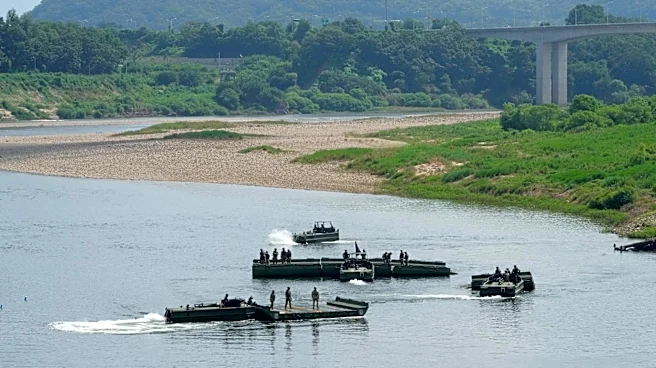
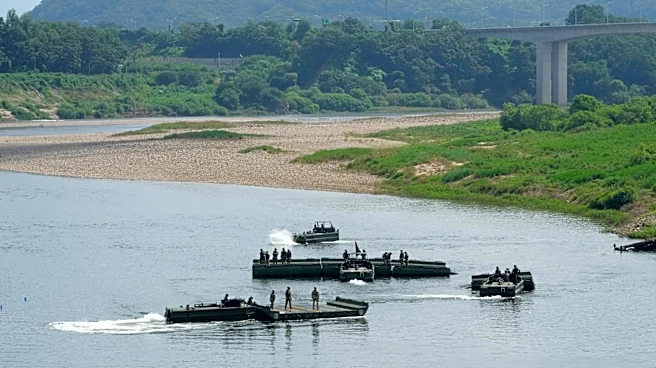
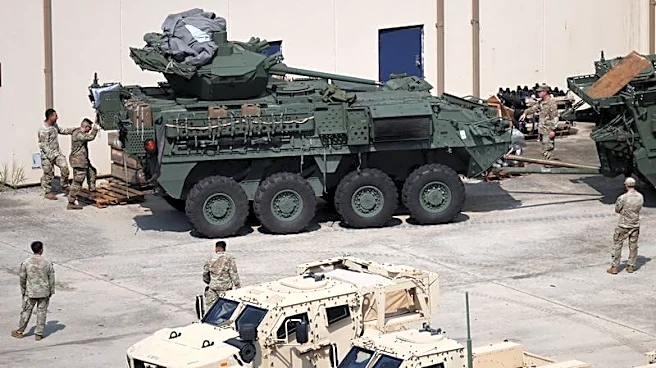
President Trump has instructed his Pentagon chief to "substantially" scale back the Ulchi Freedom Shield (UFS) exercise, one of the two main annual military drills conducted by the U.S. and South Korea.
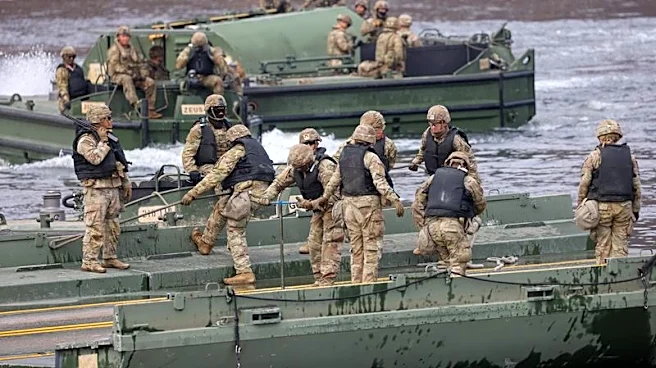
This directive came just before the exercise's scheduled start. President Trump cited his positive relationship with North Korean leader Kim Jong Un and South Korea's refusal to join the U.S. war against Iran as reasons for his decision. The UFS is primarily a computer-simulated command post exercise designed to enhance the allies' ability to respond to threats like North Korean aggression, typically accompanied by field training. While the exact extent of the cuts remains unclear, experts express concern that this move could harm combined U.S.-South Korean readiness and potentially weaken their decades-long alliance. South Korea's military had initially planned for this year's exercise to be similar in scale to previous years, involving approximately 18,000 South Korean soldiers and incorporating lessons from recent conflicts.
Why It's Important?
The Ulchi Freedom Shield exercise is a cornerstone of the U.S.-South Korea alliance, which dates back to the Korean War. Scaling back these drills could have significant implications for regional security and the readiness of both militaries. Experts, such as Yang Uk from Seoul's Asan Institute for Policy Studies, warn that a reduction or suspension of drills could lead to a decline in operational familiarity among commanders, especially given periodic changes in leadership. Jung Chang Wook of the Korea Defense Study Forum suggests that such a move could deliver a "big, crippling blow" to their joint operational posture. Furthermore, Lee Illwoo of the Korea Defense Network believes downsizing the exercise might delay the planned transfer of wartime operational control to a South Korean general, a move seen by many South Koreans as crucial for national sovereignty. This decision by President Trump could therefore impact not only military preparedness but also the political dynamics and trust within the alliance.
What's Next?
The immediate focus will be on determining which parts of the 11-day Ulchi Freedom Shield exercise will be cut and to what extent. General Xavier Brunson, commander of U.S. troops in South Korea, is expected to discuss these adjustments with South Korean Defense Minister Ahn Gyu-back. It is anticipated that field training, which involves large-scale troop movements and is more costly, will likely be affected. The long-term implications could include a re-evaluation of the U.S.-South Korea alliance's structure and operational protocols. North Korea, which has historically denounced these drills as rehearsals for war, will likely monitor the situation closely and may respond with its own actions, as its Foreign Ministry has already vowed to respond with "a new level of a deterrent" to what it perceives as provocative drills. The South Korean government, particularly President Lee Jae Myung, will need to navigate these changes while continuing to push for the transfer of wartime operational control.
Beyond the Headlines
President Trump's decision to scale back military drills with South Korea, citing his relationship with Kim Jong Un and South Korea's stance on Iran, highlights a broader shift in U.S. foreign policy that prioritizes personal diplomacy and transactional relationships over traditional alliance structures. This approach challenges the long-standing strategic rationale behind joint military exercises, which are designed to ensure interoperability and deterrence. The move could be interpreted by adversaries as a weakening of the alliance, potentially emboldening them. Domestically, it raises questions about the consistency of U.S. defense policy and the role of allies in broader U.S. foreign policy objectives. The debate over the cost of these drills, which President Trump has previously raised, also underscores a transactional view of alliances, where financial contributions are weighed against strategic benefits. This development could lead to a re-evaluation of burden-sharing within alliances and the future of U.S. military presence abroad.