



What's Happening?
Mezcal producers in Oaxaca, Mexico, are experiencing a surge in demand for their traditional spirit. For years, mezcal was a niche product with limited interest, but recent trends have seen a significant increase in both interest and sales. The majority
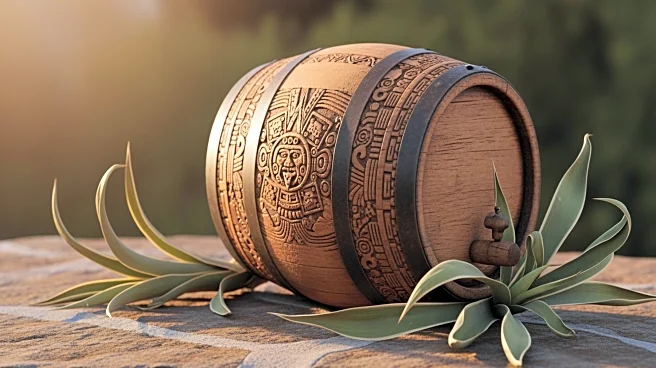
of mezcal is produced in Oaxaca, where family-owned distilleries maintain traditional production methods. These methods are integral to the spirit's unique flavor profile and cultural significance. As global interest in artisanal and craft spirits grows, mezcal has found a new audience, leading to increased economic opportunities for local producers.
Why It's Important?
The rising demand for mezcal highlights a broader trend in the beverage industry towards artisanal and craft products. This shift is significant for the U.S. market, where consumers are increasingly seeking unique and authentic experiences. The growth in mezcal sales not only benefits Mexican producers but also impacts U.S. importers and retailers who are expanding their offerings to include more diverse and culturally rich products. This trend could lead to increased cultural exchange and economic ties between the U.S. and Mexico, as well as inspire similar movements in other traditional industries.
What's Next?
As demand continues to grow, mezcal producers may face challenges in scaling production while maintaining traditional methods. This could lead to innovations in production techniques or collaborations with international partners to meet global demand. Additionally, regulatory changes may be necessary to protect the authenticity and quality of mezcal as it becomes more popular. Stakeholders in the U.S. beverage industry will likely monitor these developments closely, as they could influence market dynamics and consumer preferences.
Beyond the Headlines
The mezcal boom also raises questions about sustainability and cultural preservation. As production increases, there is a risk of overharvesting agave, the plant used to make mezcal, which could threaten local ecosystems. Furthermore, the commercialization of mezcal might lead to cultural dilution if traditional practices are not preserved. These issues highlight the need for responsible production practices and cultural sensitivity as the industry grows.