







What's Happening?
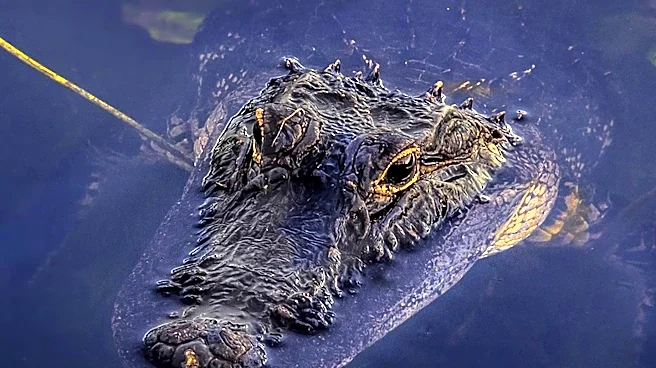
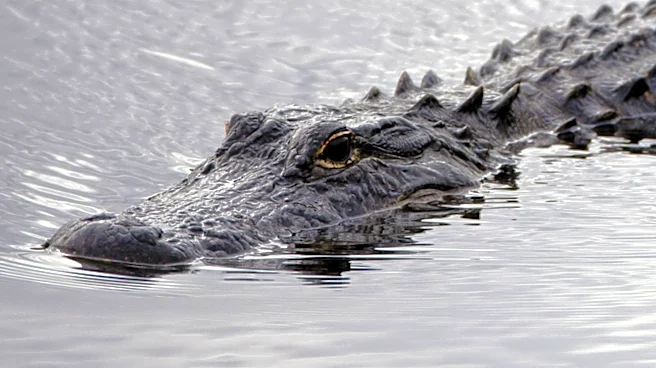
The Turkey Point nuclear power plant in Florida has become an unexpected refuge for American crocodiles, a species once near extinction in the U.S. The plant's 270 kilometers of artificial canals have provided a suitable habitat for these reptiles, supporting
a significant portion of the U.S. crocodile population. Wildlife specialists have been managing a conservation program at the site since 1978, which includes tagging and relocating hatchlings to ensure their survival. The canals offer a safe nesting ground away from rising sea levels, contributing to the species' recovery.
Why It's Important?
This development is a notable example of how industrial landscapes can be repurposed for conservation efforts. The success of the crocodile population at Turkey Point highlights the potential for human-made environments to support wildlife, even when not originally intended for such purposes. The program's success also underscores the importance of long-term conservation strategies and habitat management in protecting endangered species. The presence of crocodiles at a nuclear facility challenges perceptions of industrial sites as purely detrimental to wildlife.
What's Next?
The conservation program at Turkey Point will continue to monitor and support the crocodile population. As climate change impacts coastal habitats, the canals may become increasingly important for the species' survival. Ongoing efforts will focus on maintaining suitable nesting conditions and tracking the development of tagged crocodiles. The program may serve as a model for similar initiatives at other industrial sites, promoting the integration of conservation efforts into human infrastructure projects.
Beyond the Headlines
The story of Turkey Point's crocodiles illustrates the complex relationship between human development and wildlife conservation. It raises questions about the potential for industrial sites to contribute positively to biodiversity and the role of corporations in environmental stewardship. The program's success also highlights the adaptability of wildlife to changing environments and the importance of innovative conservation approaches in the face of environmental challenges.