

What's Happening?
Former German Foreign Minister Joschka Fischer delivered a keynote address at ITB Berlin 2026, emphasizing the need for the tourism industry to adapt to geopolitical challenges and enhance crisis management strategies. Fischer highlighted the end of a rules-based
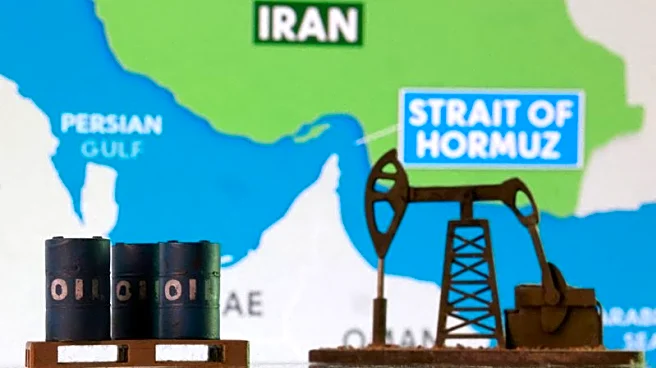
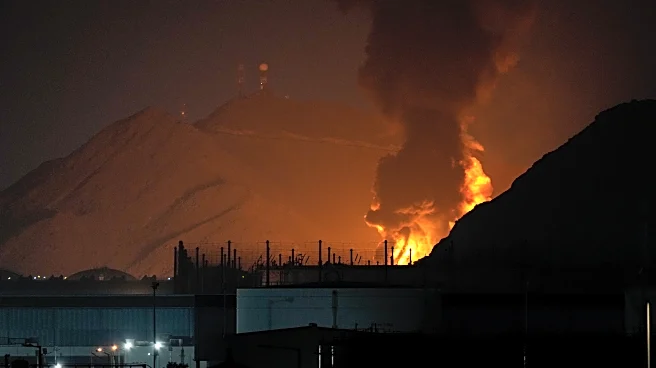
world order, with power dynamics now dominated by the United States, China, and potentially India. He urged the tourism sector to proactively address geopolitical risks and suggested that industry leaders could contribute to diplomatic efforts. Fischer pointed out that conflicts, natural disasters, and wars are persistent issues that cannot be eliminated, and the tourism industry must recognize these realities and adjust its strategies accordingly. He referenced incidents in the Gulf region where hotels have been targeted by Iranian drones, underscoring the impact of safety concerns on travel choices.
Why It's Important?
The call to action by Joschka Fischer is significant as it underscores the growing need for the tourism industry to be resilient in the face of geopolitical instability. As global power dynamics shift, with the United States, China, and India playing pivotal roles, the tourism sector must navigate these changes to ensure safety and stability for travelers. The emphasis on crisis management is crucial, as past events like the 2004 tsunami in Thailand have shown the industry's vulnerability to unexpected disasters. By learning from past failures and preparing for future challenges, the tourism industry can mitigate risks and maintain traveler confidence, which is essential for its sustainability and growth.
What's Next?
Fischer's address suggests that the tourism industry may need to develop more robust crisis management frameworks and collaborate with diplomatic entities to better anticipate and respond to geopolitical risks. Industry leaders might engage in discussions with government officials to align strategies and ensure that safety measures are in place. Additionally, the industry could explore technological solutions to enhance crisis response capabilities and improve communication with travelers during emergencies. As geopolitical tensions continue to evolve, the tourism sector will likely need to remain vigilant and adaptable to maintain its viability.