






What's Happening?
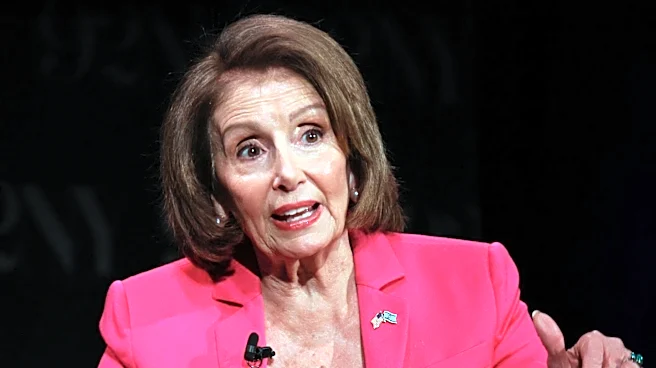
Nancy Pelosi's early life, from her upbringing in Maryland to her grassroots organizing in San Francisco, significantly shaped her political identity and strategic approach. Born in Baltimore in 1940, she grew up in a politically active family, with her father
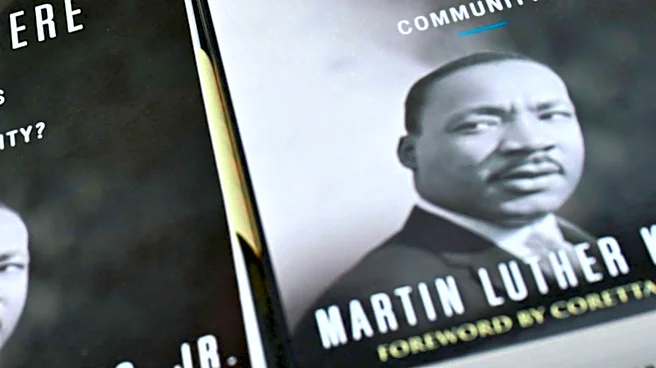
serving as a Congressman and Mayor. This environment instilled in her a deep understanding of governance and public advocacy. Her mother emphasized discipline and a strong work ethic. Pelosi's college years at Trinity College in Washington, D.C., exposed her to liberal activism and the Civil Rights Movement, where she organized voter registration drives. After moving to San Francisco, she immersed herself in Democratic Party politics, demonstrating a natural aptitude for coalition-building and a fierce loyalty to the Democratic base, eventually leading to her election to Congress in 1987.
Why It's Important?
Understanding Nancy Pelosi's formative experiences is crucial for comprehending her enduring impact on U.S. politics. Her early exposure to public service and her involvement in the Civil Rights Movement cultivated a strong sense of social justice and a belief in government's role as a force for good. These foundational experiences equipped her with the relentless discipline, strategic mastery, and unshakeable conviction that characterized her legislative career, particularly as the first woman Speaker of the House. Her journey illustrates how personal history can profoundly influence a political leader's values, tactics, and commitment to specific causes, ultimately shaping national policy and political discourse for decades.
What's Next?
While the article focuses on Pelosi's past, the implications of her formative years continue to resonate in the political landscape. Her legacy of strategic leadership and commitment to progressive causes will likely influence future generations of politicians and activists. The principles she developed early in her life, such as coalition-building and a focus on legislative productivity, remain relevant in contemporary political challenges. Her career serves as a case study for how early experiences can mold a political icon, and her continued influence, even after stepping down from leadership, suggests that her approach to politics will be studied and debated for years to come.
Beyond the Headlines
The narrative of Nancy Pelosi's younger years offers a deeper insight into the development of political leadership. It highlights that effective political action often stems from a blend of familial legacy, personal conviction, and practical experience gained through grassroots engagement. Her story underscores the idea that political figures are not merely products of their immediate political environment but are deeply shaped by their upbringing, education, and early activism. This perspective encourages a more nuanced understanding of political motivations and strategies, moving beyond superficial analyses to appreciate the profound impact of an individual's life journey on their public service and policy decisions.