





What's Happening?
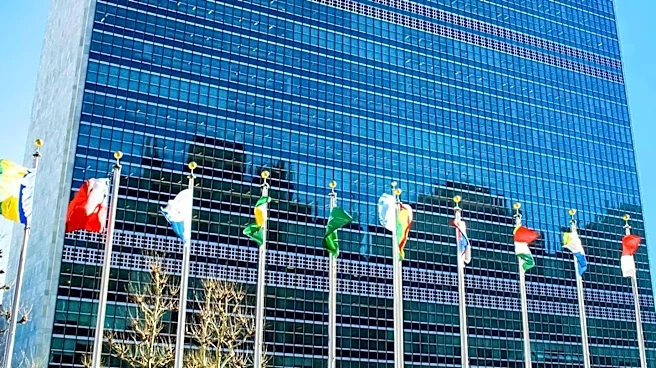
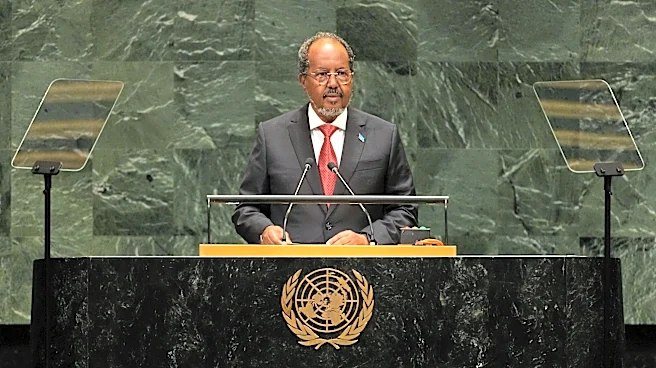
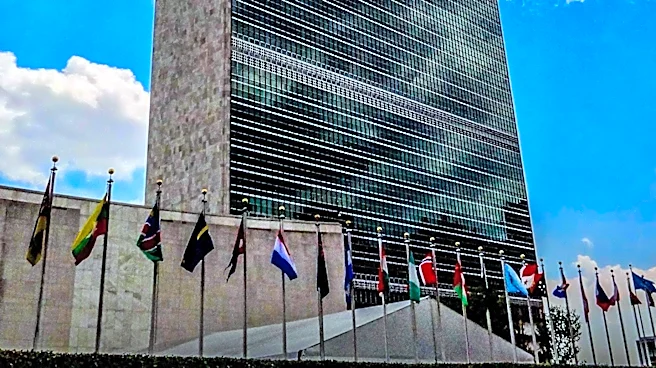
The UN Transitional Assistance Mission in Somalia (UNTMIS) concluded its operations on Saturday, marking a significant transition in Somalia's recovery journey. Raisedon Zenenga, Officer-in-Charge of UNTMIS, stated that despite remaining challenges, the
mission's closure reflects considerable progress made by Somalia since the early years of international support. Somalia has undergone a profound transformation since the early 1990s, when civil war and state collapse led to years of instability. With UNTMIS ending, Somali institutions will now assume full responsibility for the country's recovery, supported by approximately 25 UN agencies that will continue their humanitarian and development work across the nation. Zenenga highlighted that Somalia now possesses national and federal institutions that did not exist when the UN's political engagement began, with progress in state formation, political inclusion, constitutional processes, human rights frameworks, and governance structures.
Why It's Important?
The closure of UNTMIS signifies a critical step towards Somalia's self-reliance and sovereignty, marking the end of a long period of direct UN political oversight. This transition places the onus of nation-building squarely on Somali institutions, which is vital for fostering long-term stability and legitimacy. While progress has been made in establishing governance structures, significant challenges persist, including ongoing insecurity from Al-Shabaab, contested electoral processes, constitutional reform, and recurrent climatic shocks like droughts and floods. The continued presence of UN humanitarian and development agencies underscores the ongoing need for international support in these areas. The success of this transition will depend on the capacity of Somali institutions to effectively manage these complex issues, ensure national reconciliation, and provide essential services to its population, a substantial portion of whom still require humanitarian assistance.
What's Next?
Somali institutions will now face the full responsibility of leading the country's recovery and development efforts. This includes tackling poverty, stabilizing a fragile economy heavily reliant on subsistence farming and remittances, and addressing the persistent threat from Al-Shabaab. The UN Secretary-General has called for continued international support to combat terrorism and facilitate a sustainable security transition. The 25 UN entities remaining in Somalia will continue to provide crucial humanitarian and development aid, focusing on areas such as market rehabilitation, maternal and newborn care, school meal programs, and mine action. The international community's continued engagement will be vital to sustain progress and address outstanding priorities, ensuring that Somalia can build on the foundations laid during the UNTMIS mission and move towards a more stable and prosperous future.
Beyond the Headlines
The conclusion of UNTMIS represents a broader trend in international peacebuilding, where missions transition from direct political engagement to supporting national ownership. This shift carries both opportunities and risks. On one hand, it empowers local actors and fosters greater accountability and self-determination. On the other hand, it places immense pressure on nascent institutions in a country still grappling with deep-seated challenges. The success of this model in Somalia could serve as a blueprint or a cautionary tale for future UN peace operations. It also highlights the complex interplay between security, governance, and humanitarian needs, where progress in one area is often contingent on advancements in others. The long-term stability of Somalia will depend not just on institutional capacity but also on addressing the root causes of conflict and vulnerability, including poverty, climate change impacts, and social cohesion, requiring a holistic and sustained approach from both Somali leaders and international partners.