



What's Happening?
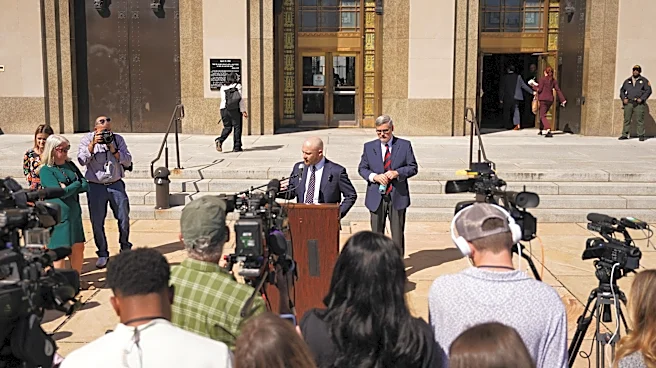
The family of Brennan Capellas, a Wyoming man killed in a rear-end crash on Interstate 25 in Northern Colorado on January 3, 2025, is questioning why no charges were filed against the driver who struck his vehicle. Larimer County District Attorney Gordon
McLaughlin ultimately decided not to pursue charges, citing significant investigative delays by the Colorado State Patrol (CSP) and the victim's toxicology results. According to McLaughlin, Capellas had 1,300 nanograms per milliliter of methamphetamine in his system, a level he stated would be lethal for most individuals and indicated Capellas was culpable in the crash. The CSP initially believed it was a single-vehicle accident due to dense fog and did not identify the second vehicle for nearly six hours. The investigation was submitted to the DA's office almost a year after the incident, leaving only weeks to consider misdemeanor charges before the statute of limitations expired. McLaughlin also noted that he was initially misinformed by CSP about the accessibility of the other driver's cellphone data.
Why It's Important?
This case highlights critical issues within the U.S. justice system concerning investigative timelines, prosecutorial discretion, and the impact of victim toxicology on legal outcomes. The delays in the Colorado State Patrol's investigation, particularly the nearly year-long period before submitting the case to the District Attorney, underscore potential systemic inefficiencies that can compromise the ability to prosecute. The DA's decision, heavily influenced by the victim's high level of methamphetamine, raises questions about how a victim's impairment affects the culpability of other parties in a collision. This situation could set a precedent or fuel debate regarding the balance between holding impaired individuals accountable for their actions and ensuring justice for all parties involved in an accident, regardless of their personal circumstances. For families of victims, such outcomes can lead to profound feelings of injustice and a lack of closure, as expressed by Capellas' wife and daughter.
What's Next?
While no criminal charges will be filed in this specific case, the incident may prompt a review of investigative protocols within the Colorado State Patrol, particularly concerning the timeliness of evidence collection and submission to prosecuting attorneys. The District Attorney's public comments about the investigative delays and miscommunication regarding evidence access could lead to internal discussions or policy adjustments within law enforcement agencies to prevent similar issues in future cases. The family of Brennan Capellas, though facing a difficult decision, may explore civil litigation options, which operate under different legal standards than criminal cases. This case could also contribute to broader discussions among legal professionals and policymakers about the interplay between victim impairment, investigative thoroughness, and prosecutorial decisions in fatal traffic incidents.
Beyond the Headlines
The case delves into the complex ethical and legal dimensions of assigning blame in fatal accidents, particularly when a victim's actions, such as driving under the influence, contribute to the incident. The family's poignant question, "What's the number of drug that needs to be in your system for your life to not be valuable anymore?" highlights a societal tension regarding the perceived worth of individuals based on their personal choices, even in tragic circumstances. This scenario challenges the public's understanding of justice, where the focus often shifts from the actions of the at-fault driver to the victim's state. It also underscores the critical importance of timely and thorough investigations, as delays can irrevocably alter the course of justice, potentially denying victims' families the accountability they seek and eroding public trust in the legal system.