







What's Happening?
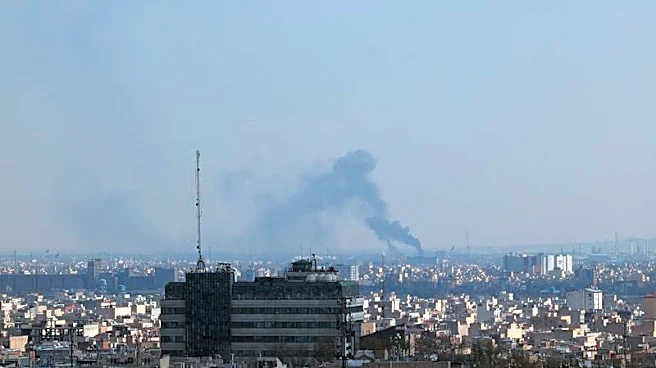
Maersk, a leading global shipping company, has expressed caution regarding the resumption of normal operations in the Strait of Hormuz despite a two-week ceasefire agreement between the United States and Iran. The ceasefire, which follows a series of military
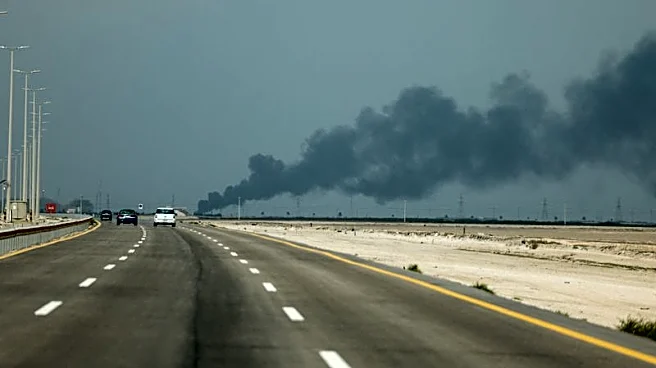
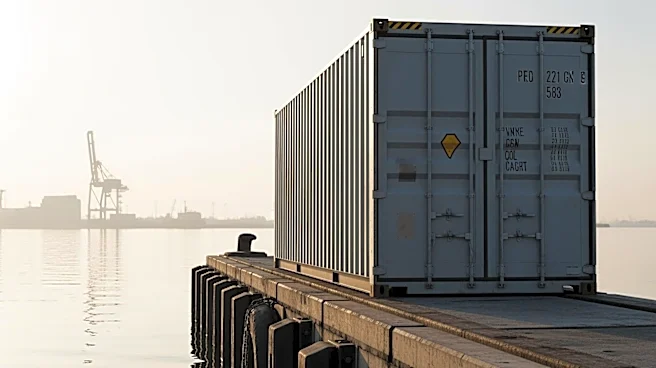
engagements that began with U.S.-Israeli strikes on Iran, has led to significant disruptions in shipping activities in the Gulf region. Maersk has suspended cargo bookings to several ports in the area and imposed emergency fuel surcharges globally due to increased fuel costs. The company is closely monitoring the security situation and conducting risk assessments before making any decisions about transiting the Strait of Hormuz. Maersk is utilizing alternative routes through ports in Saudi Arabia, Oman, and the UAE to maintain cargo flow in the region.
Why It's Important?
The cautious approach by Maersk highlights the ongoing uncertainty in the Gulf region, which is a critical artery for global oil and shipping industries. The Strait of Hormuz is a strategic chokepoint for oil transportation, and disruptions can have ripple effects on global supply chains and fuel prices. The situation underscores the fragility of international shipping routes in conflict zones and the potential economic impact on industries reliant on stable maritime operations. The ceasefire offers a temporary reprieve, but the lack of full maritime certainty continues to pose risks for businesses and economies dependent on Gulf shipping lanes.
What's Next?
Maersk plans to continue monitoring developments closely and will provide updates as more clarity emerges regarding the security situation in the Strait of Hormuz. The company will base its decisions on guidance from relevant authorities and partners, indicating that any resumption of normal operations will depend on improved security conditions. Stakeholders in the shipping and oil industries will be watching closely for signs of stability or further conflict, which could influence global market dynamics and strategic planning for companies operating in the region.