



What's Happening?
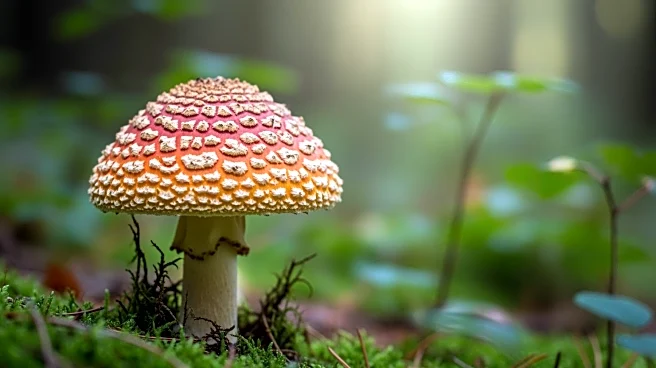
In California, four individuals have died and three others required liver transplants after consuming death cap mushrooms, which have proliferated following a rainy winter. The California Department of Public Health has issued a warning against mushroom foraging
due to the difficulty in distinguishing death caps from edible varieties. Since November 18, over three dozen cases of death cap poisoning have been reported, with victims ranging from 19 months to 67 years old. The death cap mushroom, one of the most poisonous in the world, contains amatoxins responsible for 90% of fatal mushroom poisonings globally. The recent weather conditions have led to an unusual 'super bloom' of these mushrooms, increasing the risk of accidental ingestion.
Why It's Important?
The surge in death cap mushroom poisonings highlights significant public health concerns, particularly for non-English speaking communities who may be more accustomed to foraging mushrooms in their native countries. The situation underscores the need for effective public health communication and education to prevent further incidents. The economic impact is also notable, as medical treatments for poisoning, including liver transplants, are costly and resource-intensive. This event stresses the importance of awareness and caution in foraging practices, especially in regions experiencing unusual weather patterns that affect local flora.
What's Next?
Health officials are likely to continue monitoring the situation and may implement more robust public awareness campaigns, particularly targeting communities that are more prone to foraging. There may also be increased collaboration with local organizations to distribute information in multiple languages. Additionally, medical facilities might prepare for potential increases in poisoning cases by ensuring adequate resources and training for healthcare providers. The state may also consider regulatory measures to control foraging in affected areas.
Beyond the Headlines
This incident raises broader questions about the cultural practices of foraging and the challenges of integrating traditional knowledge with modern safety standards. It also highlights the potential for climate change to alter ecosystems in ways that increase the prevalence of hazardous species. The need for cross-cultural education and the development of community-specific safety guidelines could become more pressing as similar incidents occur.